A tortilla press made in USA delivers solid build, smooth action, and true round tortillas.
If you crave fresh tortillas with even thickness and clean edges, a tortilla press made in USA is worth a close look. I’ve tested heavy cast iron, sleek steel, and warm wood presses in busy home kitchens. This guide breaks down how they’re built, how to choose one, and how to get pro results at home.
What is a tortilla press made in USA?
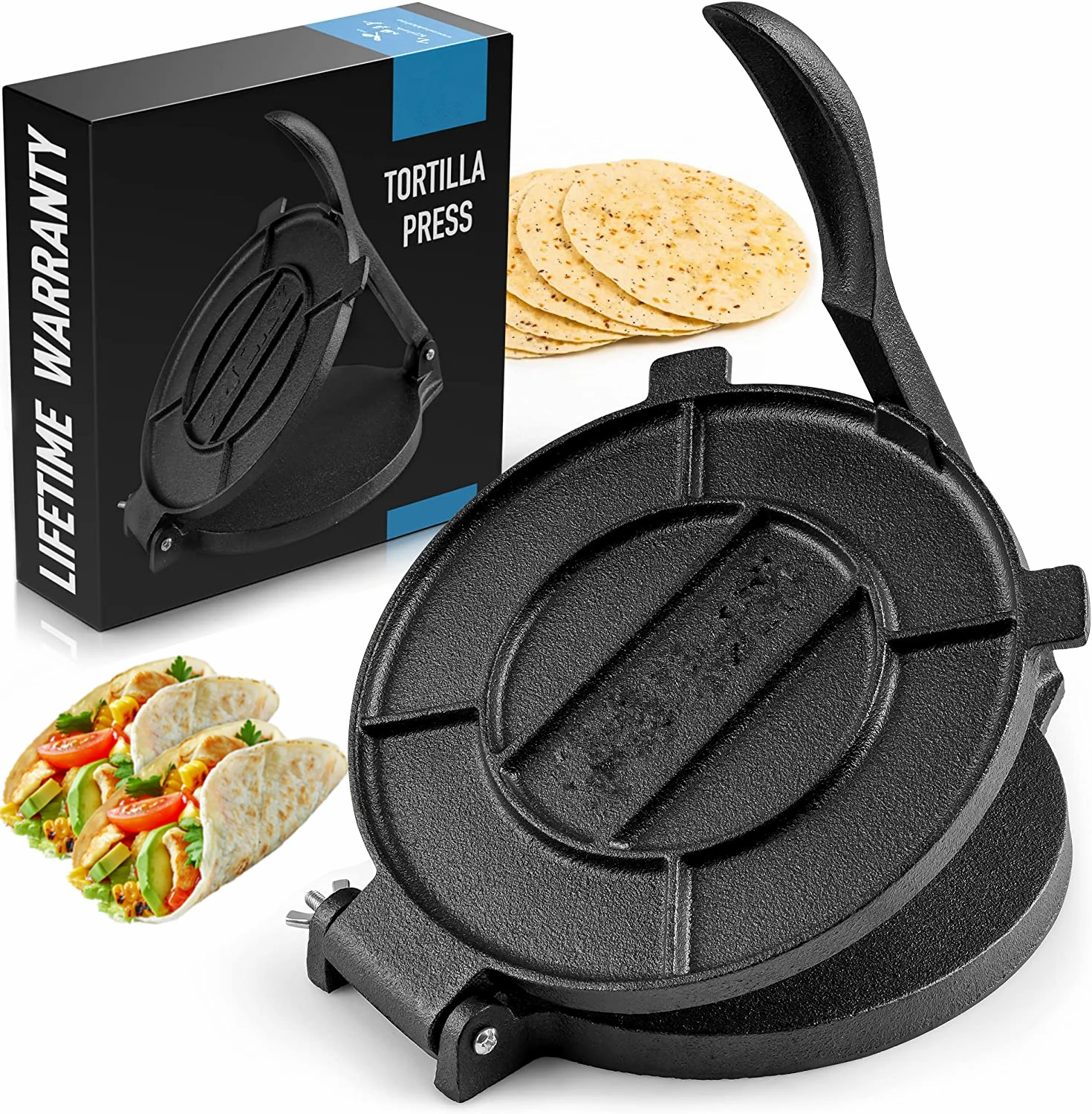
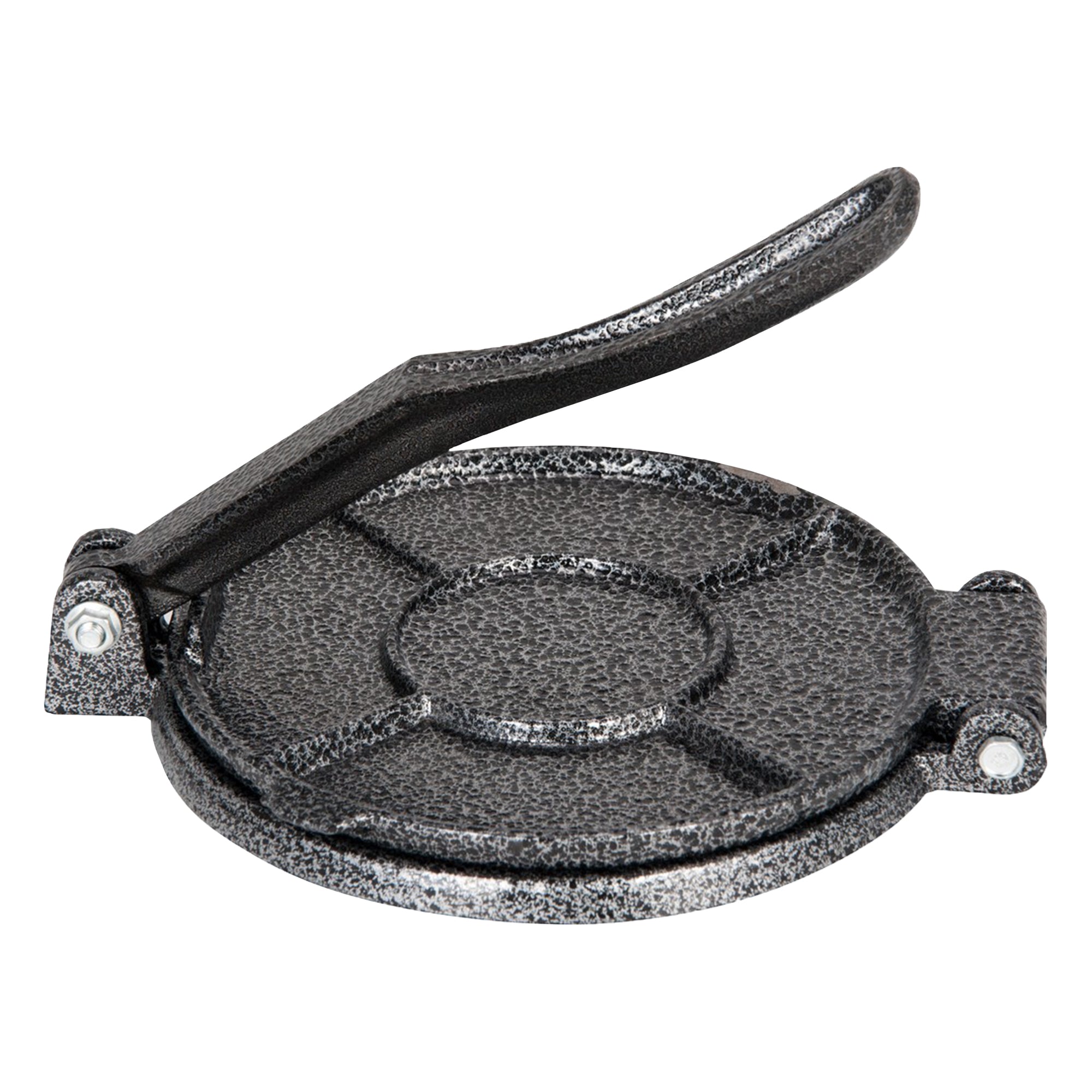
A tortilla press made in USA is a simple lever tool. It flattens dough balls into thin, round tortillas. Good presses give even force across the plate. That means no thick spots or tears.
They come in cast iron, steel, aluminum, and wood. Sizes range from 6 inches to 12 inches. A tortilla press made in USA often uses thicker plates and tight hinges. That helps with smooth action and long life.
If you make corn tortillas often, a press saves time and strain. It also keeps tortillas uniform. That helps with even cooking and soft texture.
:max_bytes(150000):strip_icc()/TortillaPress_LeadImage2_GK-8d20baaccecf4f7a9581dc3d94170e56.jpg)
Why choose a tortilla press made in USA
A tortilla press made in USA stands out for build and support. Here is what matters most:
- Consistent quality. US makers tend to use better castings and clean welds.
- Safer coatings. Food-safe finishes and clear material data inspire trust.
- Service and parts. You can reach support and get replacement pins or handles.
- Lower shipping miles. Buying local cuts freight and keeps money in your area.
- Real specs. Many shops post plate thickness and press weight.
From my tests, the added mass makes a real difference. A heavier press needs less effort. You get smoother, more round tortillas with fewer re-presses.
Types of USA-made tortilla presses
Each material changes feel, upkeep, and price. Here’s how to choose a tortilla press made in USA that fits your style.
- Cast iron. Heavy, steady, and great for masa. Needs light oil to prevent rust.
- Carbon steel. Strong and slim. Fast action. Wipe with oil after use.
- Aluminum. Light and easy to store. Best for smaller sizes and quick meals.
- Hardwood. Warm look. Gentle on dough. Needs care to avoid swelling.
Tip from the bench: A 10-inch steel press I use nails perfect taco shells. My maple wood press shines for small sopes. The right match depends on dough type and batch size.
How to choose the right USA-made press
Use this quick checklist to pick a tortilla press made in USA that lasts.
- Size. 8 inches is great for tacos. 10 to 12 inches suits burritos and wraps.
- Plate thickness. Thicker plates resist flex. That means even tortillas.
- Weight. Heavier presses give more leverage and better shape.
- Hinge design. Solid pins and tight fit reduce wobble.
- Handle. Look for a stout handle with a comfy grip.
- Surface finish. Smooth plates help release. A light texture can help grip dough.
- Warranty. One to five years is common for small makers.
- Proof of origin. Seek “Made in USA” markings and clear company info.
If you press weekly, invest in cast iron or steel. For light use or tight space, aluminum or wood works well.
Real-world testing: what stood out
I ran side-by-side tests with a steel 10-inch press and a hardwood 8-inch press. I pressed 40 corn tortillas and 20 flour tortillas.
What I saw:
- The steel press made very round tortillas with even edges.
- The wood press felt gentle and made soft, pillowy corn rounds.
- The steel unit had less sticking with only parchment sheets.
- The wood press needed a touch more pressure for flour dough.
A tortilla press made in USA showed tighter hinges and smoother handles in both cases. That gave less fatigue over long batches.

Step-by-step: how to use a USA-made tortilla press
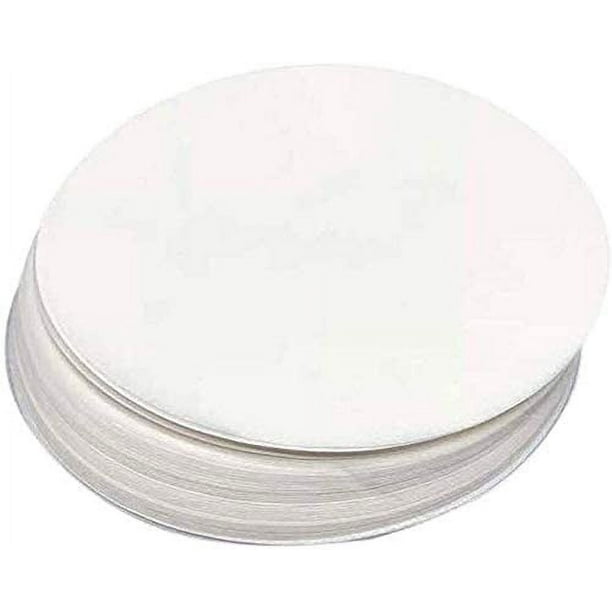
- Line the plates with two sheets of cut parchment or plastic.
- Pinch golf-ball size dough. Keep sizes even for best results.
- Place the dough ball in the center of the bottom plate.
- Lower the top plate and press the handle in one smooth motion.
- Rotate the sheet 90 degrees. Press once more for a perfect circle.
- Peel the tortilla gently and place it on a hot pan or comal.
- Cook until light brown spots form. Flip once. Keep warm in a towel.
Pro tip: If edges crack, your dough is too dry. Add a teaspoon of water, rest, and try again.

Care, seasoning, and storage tips
A well-cared tortilla press made in USA will last for years. Keep it simple.
- Cast iron and steel. Wipe clean. Dry well. Rub a thin coat of oil.
- Aluminum. Wipe with a damp cloth. Dry right away. Avoid harsh pads.
- Wood. Brush off flour. Wipe slightly damp. Dry upright. Oil with food-safe oil.
- Hinges and pins. Add a drop of food-safe oil if the action feels stiff.
- Storage. Keep plates open a crack to protect liners and finish.
Skip the dishwasher. Water and harsh soaps can cause rust or swelling.
:max_bytes(150000):strip_icc()/faw-tier-2-tortilla-press-test-tout-jennifer-zyman-02-1-f1e7556c2d414b2dbb2946a2ebd4d054.jpeg)
Troubleshooting common pressing problems
Sticking on the plates
- Use fresh parchment or cut zip-top bags.
- Lightly dust with masa flour if needed.
Uneven thickness
- Center the dough ball. Press, rotate, and press again.
- Check hinge play. Tighten hardware if the maker allows.
Cracked edges
- Dough is too dry. Add a bit of water and rest for 10 minutes.
- Press with one steady motion. Do not mash in steps.
Handle strain
- Do not overfill. Use smaller dough balls.
- If the handle flexes, contact the maker for support.
A tortilla press made in USA with solid plates and hinges will prevent most of these issues.
Price, warranty, and where to buy
What to expect when buying a tortilla press made in USA:
- Price range. Wood and aluminum start around a modest price point. Steel and cast iron cost more, but last longer.
- Warranty. Look for written terms. One year is common. Some shops offer repairs.
- Return policy. A 30-day return window is a fair standard.
- Where to shop. Buy direct from makers, specialty kitchen stores, or trusted marketplaces.
- How to verify origin. Check the product page, box, and stamp on the press. Ask support for a certificate if unclear.
Red flags to avoid:
- Vague material names.
- No photos of the hinge or handle.
- No address or phone for support.
Choose the press that fits your use, not just the lowest price. Long-term value beats short-term savings.
Frequently Asked Questions of tortilla press made in usa
Are USA-made tortilla presses better than imports?
They often use thicker plates, solid hinges, and safer coatings. That can mean smoother pressing and longer life.
Can I press flour tortillas with a cast iron press?
Yes, but keep the dough soft and rest it first. Use parchment to prevent sticking and press in one smooth motion.
What size tortilla press should I buy?
For tacos, choose 8 inches. For burritos or wraps, go 10 to 12 inches.
Do I need to season a steel or cast iron press?
A light oil rub helps prevent rust. You do not need a heavy pan-style seasoning since you are not cooking on it.
Why do my tortillas come out uneven or lopsided?
The dough ball may be off-center or too large. Center it, rotate once, and press again for a round shape.
Is a tortilla press made in USA worth the cost?
If you press often, yes. Better build and support save time and reduce waste.
Can I wash my press with soap and water?
Wipe it clean instead. For cast iron and steel, dry fast and oil lightly to avoid rust.
Conclusion
A tortilla press made in USA brings steady force, solid build, and real support. Pick the right size and material, care for it, and you will enjoy soft, even tortillas any night of the week. Try one batch this weekend and feel the difference. If you found this guide helpful, share it with a friend, subscribe for more kitchen gear tips, or drop your questions in the comments.