
A steamer trunk is a low, flat-topped travel chest made for steamship cabins.
Curious about what is a steamer trunk and why people still love them? You’re in the right place. I’ve restored and used these trunks for years, and I’ll show you what to look for, how they were built, and how to use one at home. By the end, you’ll have a clear answer to what is a steamer trunk and how to make the most of it.
Definition and Origins
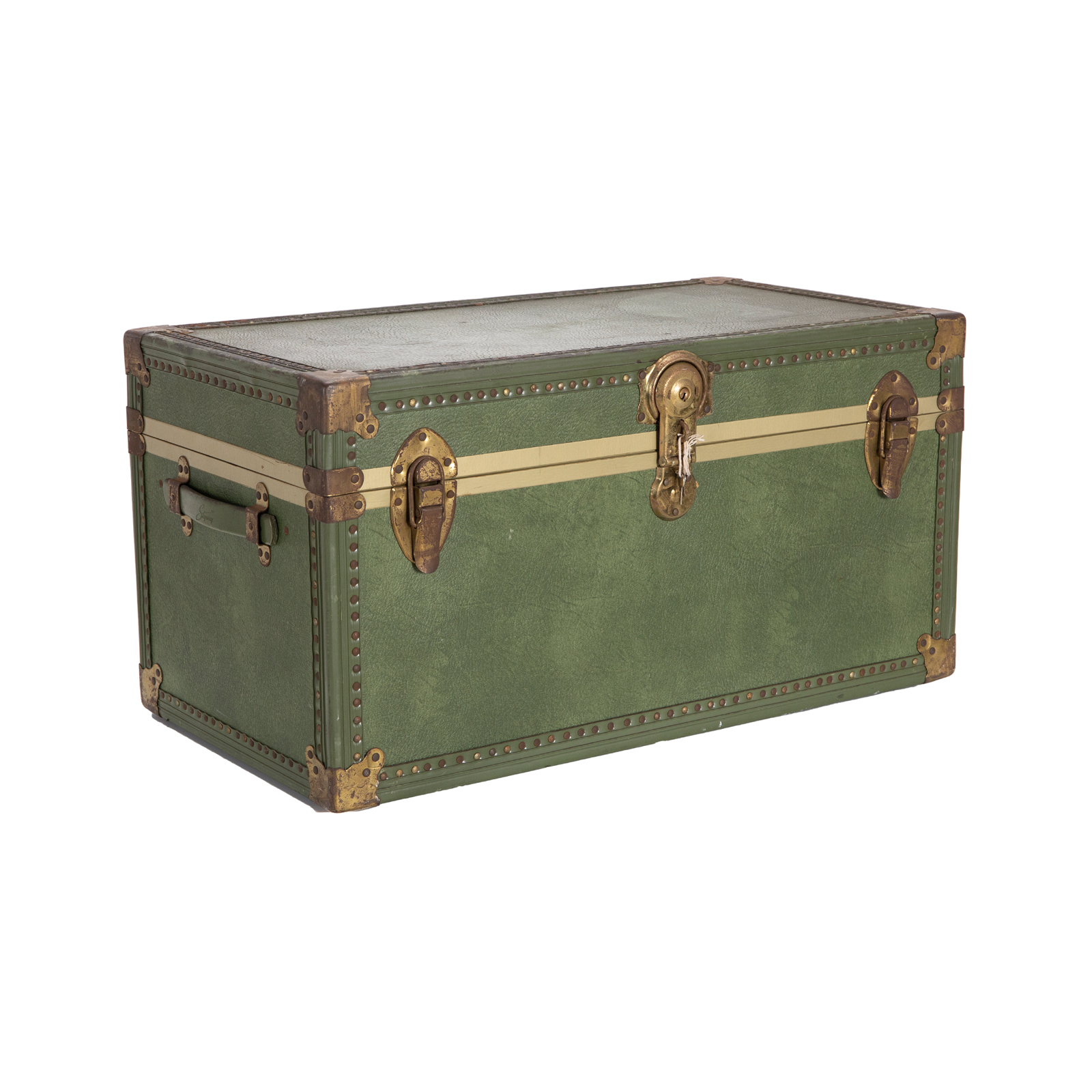
Most people ask what is a steamer trunk when they see one in a vintage shop. A steamer trunk is a compact travel chest from the late 19th to early 20th century. It was built to fit under bunks or in small ship cabins on steamers and trains. The top is flat, not curved, so you can stack it with ease.
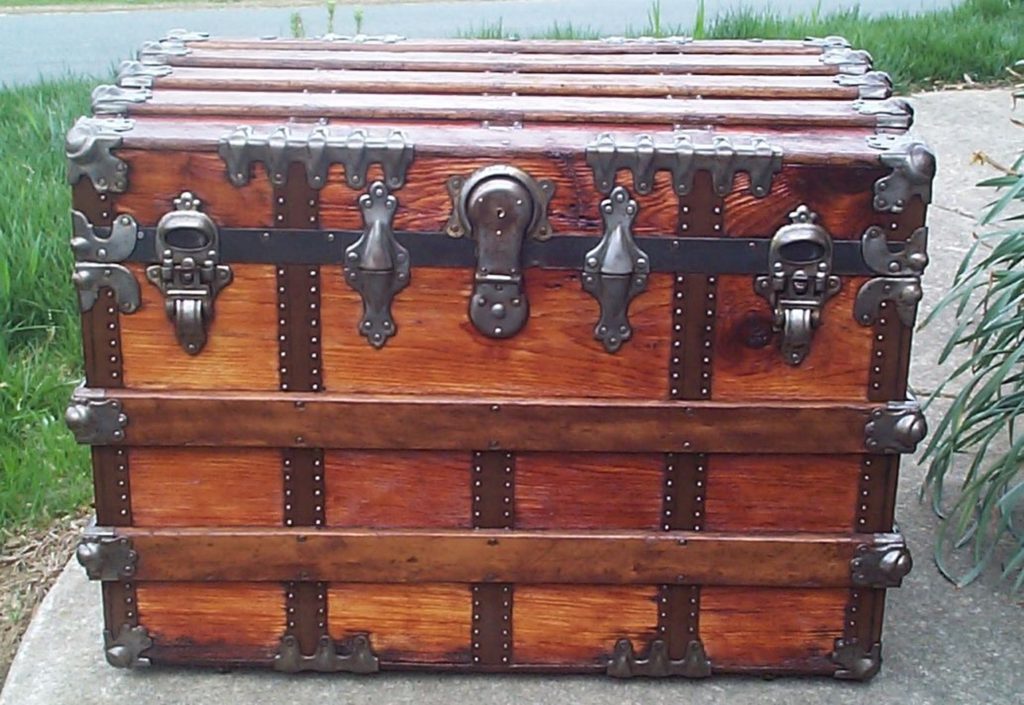
If you wonder what is a steamer trunk versus older trunks, think slim and practical. Earlier trunks could be tall or dome-shaped. Steamer trunks were shorter, wider, and sturdier for rough trips. They often have canvas, leather, or metal on the outside, with wood slats and brass or steel hardware.
I first learned what is a steamer trunk while fixing one from the 1910s. It had a lift-out tray, hat space, and a layer of old travel labels. The design was clever and tough, yet light enough to move.
Key Features and Construction
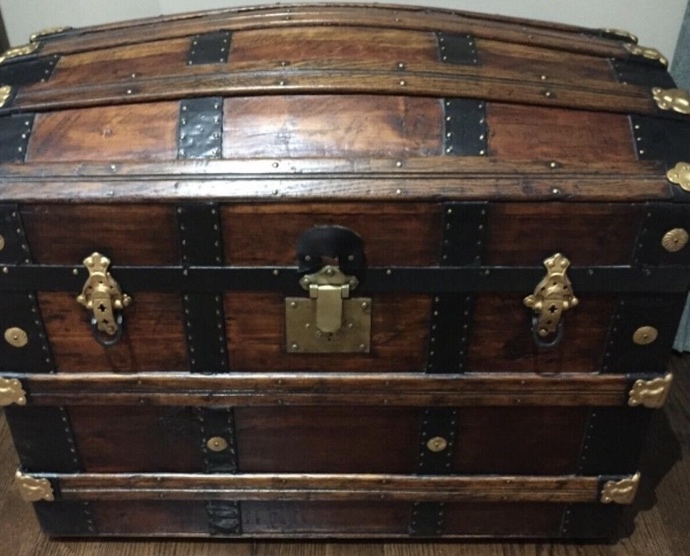
These trunks look simple, but the build is smart. When you ask what is a steamer trunk made of, here are the basics:
- Flat top and low profile for stacking and sliding under bunks
- Wood body, often pine or poplar, with canvas, leather, or metal skin
- Slats or straps for strength on corners and lid
- Metal hardware, such as brass or steel latches, corner caps, and lock plates
- Lift-out tray inside, with small boxes for hats, gloves, or papers
- Paper, linen, or cedar-lined interior to protect clothes
Many people learn what is a steamer trunk by seeing the inside. The tray keeps small items on top. The deep well below holds bulky clothes and shoes. The hardware was built to last through salt air and rough docks.
Types and Styles
When you dive into what is a steamer trunk style, you meet many looks:
- Canvas-covered trunks with painted or waxed finish for water resistance
- Leather-covered trunks with stitched edges and stud details
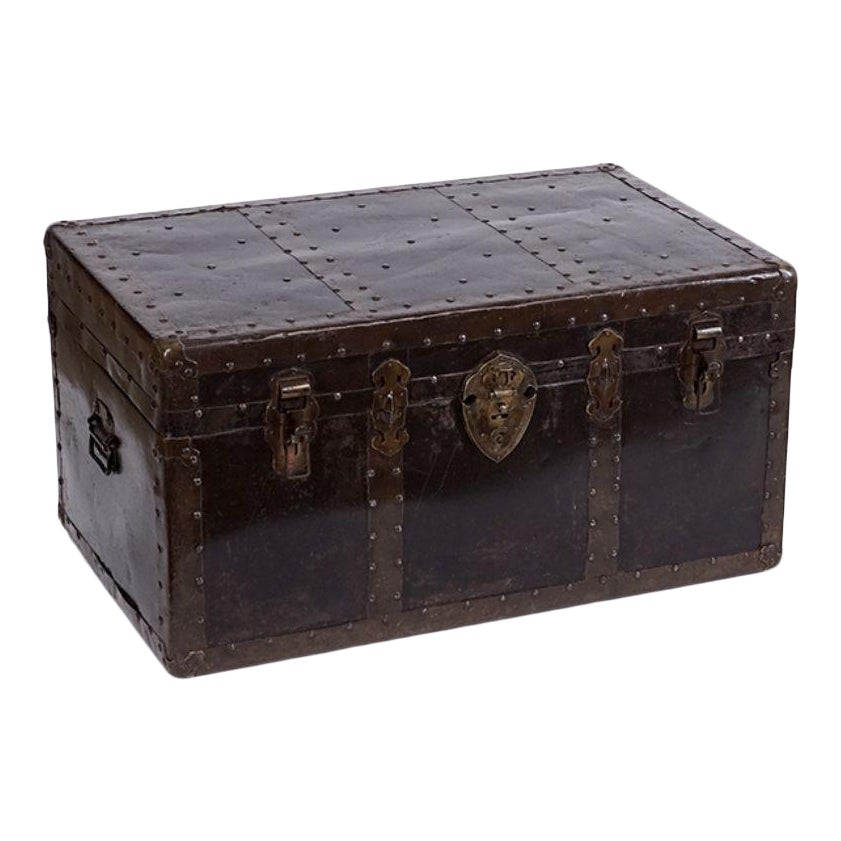
- Metal-clad trunks using zinc or tin for extra strength
- Slat trunks with wide wood bands over canvas or leather
- Cabin trunks, a close cousin, made to fit in ship cabins like a small chest
- Wardrobe trunks, taller and with hangers inside, are related but not true “steamer” height
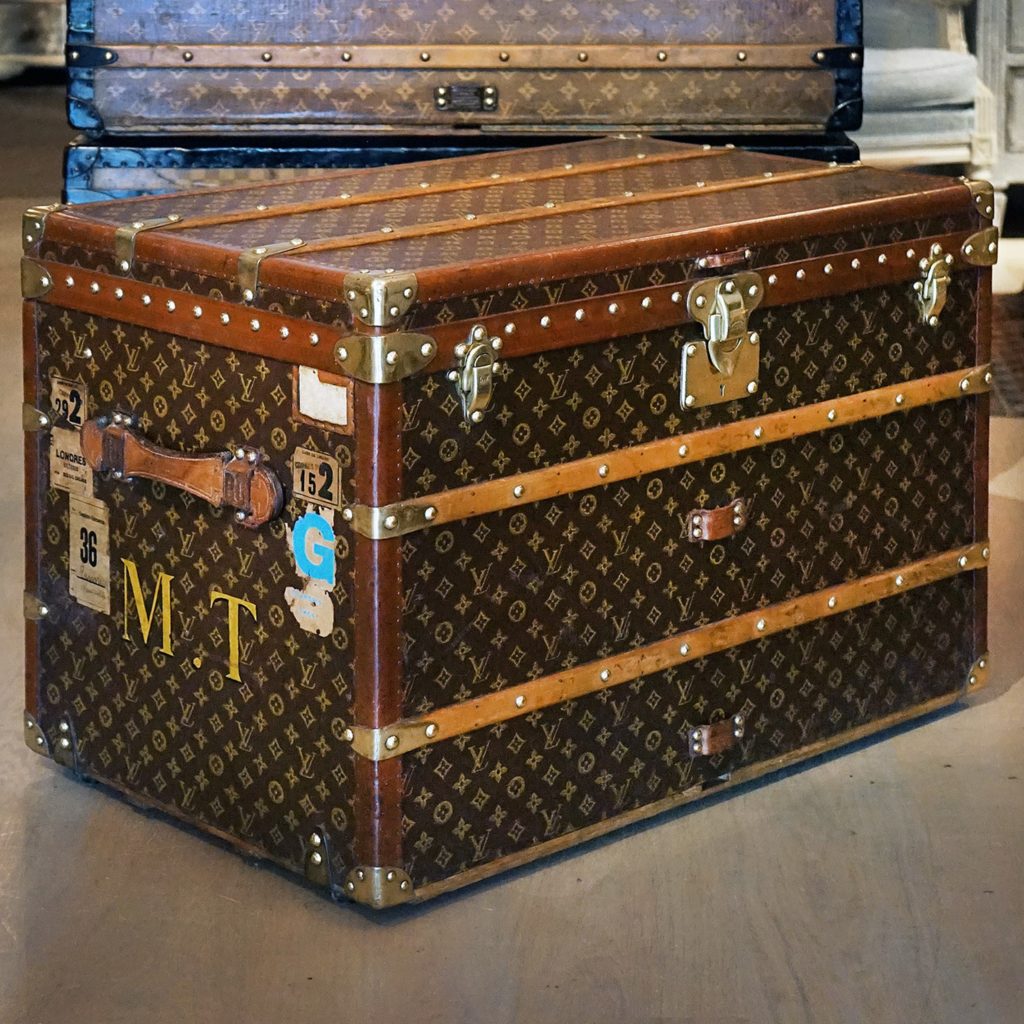
Some luxury brands also made pieces that people call steamer trunks. They often kept the flat top and rugged build. Patterns or monograms were common on high-end versions.
How to Identify an Authentic Steamer Trunk
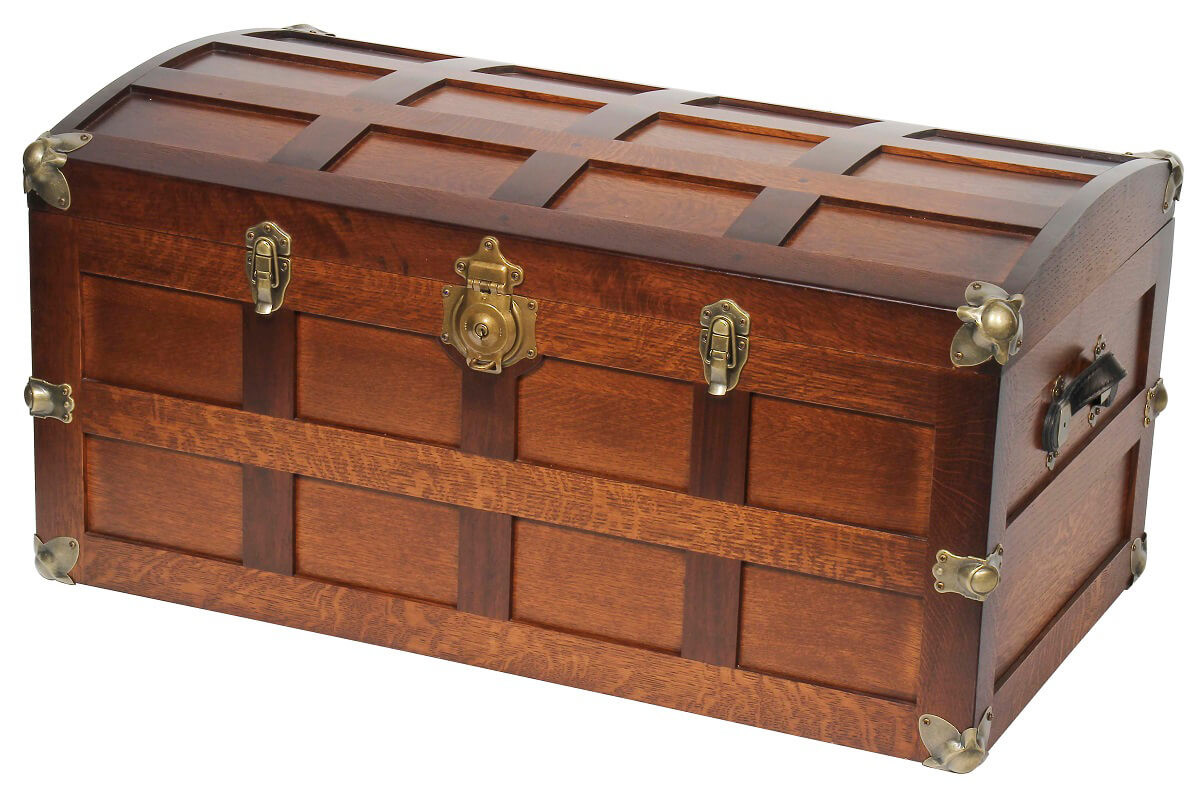
If you want to verify what is a steamer trunk and not a replica, check a few signs. Look for a flat top, low height, and solid hardware. The body should be wood inside, not particle board.
- Check hardware stamps or lock plates for maker marks
- Look for old travel labels from ships or hotels
- Inspect nails and screws; hand-cut or slotted fasteners suggest age
- Review interior paper lining with period prints or small floral patterns
- Note wear that matches use, like scuffs on corners and edges
Auction records and museum catalogs show that real pieces often have mixed wear and old repairs. This is normal. Perfect hardware with no patina can be a red flag unless fully restored.
Uses Today: Decor, Storage, and Travel Reality
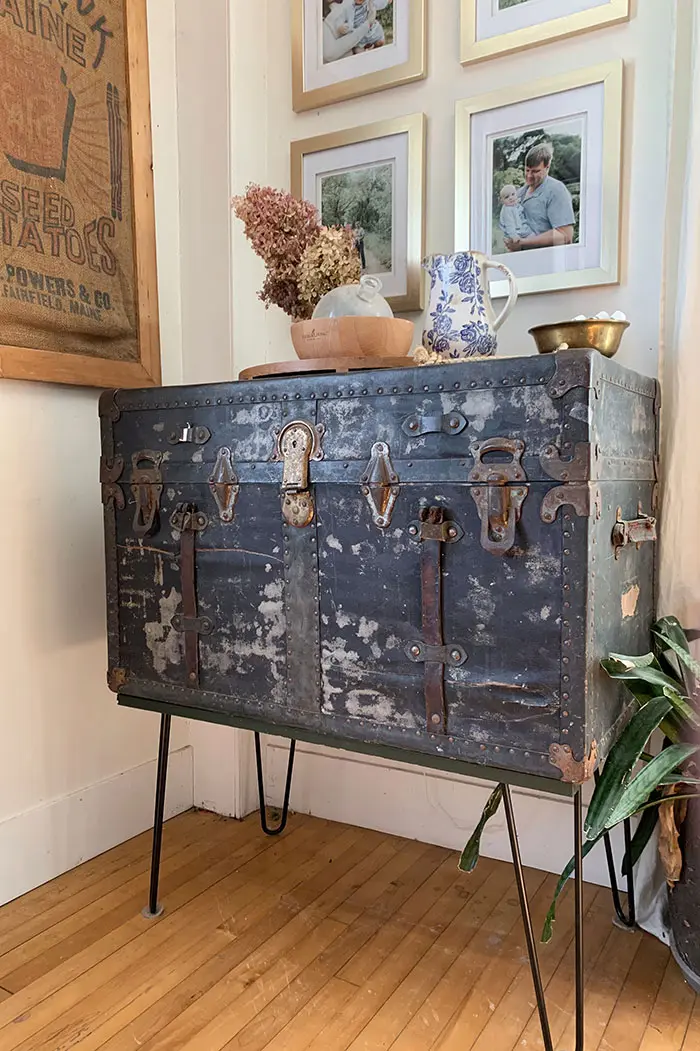
People ask what is a steamer trunk good for today. It shines at home, not at the airport. Use it as a coffee table, a bench at the foot of a bed, or a blanket chest. It adds charm and real storage.
I turned a flea market trunk into a living room star. It holds board games and throws. The flat top is great for a tray and books. For travel, though, it is too heavy for airlines and modern rules. It is best for road trips or moves, not flights.

Restoration and Care Guide
Once you grasp what is a steamer trunk in design, light care will keep it strong. Go slow and protect the patina. Here is a simple path I use:
- Clean the surface with a soft brush and a damp cloth
- Remove odors with baking soda, cedar blocks, or gentle sun time
- Treat leather with a pH-balanced conditioner, not heavy oils
- Tighten screws and replace missing tacks with close matches
- Polish brass or steel lightly; do not make it look brand new
- Repair loose canvas with fabric glue under the flap, then clamp
- Seal raw wood inside with shellac or water-based sealer if musty
Common mistakes to avoid:
- Do not sand off history; keep labels and marks when you can
- Do not soak metal parts; water can trap rust under fittings
- Do not use harsh bleach; it can stain and weaken fibers
If paint seems very old, test a small spot first. Old coatings may have lead. Use a mask and work outside if you must strip.
Buying Guide: Price, Brands, and What to Look For
Understanding what is a steamer trunk can save money when you shop. Prices range by maker, size, and condition. Plain, worn trunks can be very affordable. Rare makers and top condition cost more.
- Entry level: Surface wear, missing parts, or tears, good for decor projects
- Mid tier: Clean canvas, working locks or latches, solid interior tray
- Premium: Labeled maker, complete hardware, fine leather, or rare metal skin
- Luxury heritage: Famous houses and monogrammed lines can be far higher
Brands to know include classic American and European makers from the steam age. Check for lock maker stamps, serial plates, and old shop tags. Look for straight lids, square corners, and a smell that is clean or fixable. Walk away if wood is soft, hardware is cracked, or mold is deep in the lining.

Packing One Like a Pro
Once you know what is a steamer trunk in function, smart packing makes it shine. Keep heavy items low and soft items high. Use the tray for small goods.
- Line the interior with acid-free paper to protect fabrics
- Pack shoes in bags to avoid scuffs and odors
- Roll clothes to save space and reduce creases
- Place silica gel packs inside to fight moisture
- Fill gaps with towels so items do not shift
Label the key and keep a spare. If you move it often, add felt pads under corners to protect floors.
Frequently Asked Questions of what is a steamer trunk
What is a steamer trunk used for today?
It is perfect as a coffee table, bench, or storage chest. Many people also use it to store linens, toys, or keepsakes.
How old are most steamer trunks?
Most date from about 1870 to the 1930s. You can still find many in good shape due to sturdy build.
How can I tell what is a steamer trunk versus a wardrobe trunk?
A steamer trunk is low and flat-topped. A wardrobe trunk is tall, opens like a closet, and has hangers inside.
Are steamer trunks good for air travel?
No, they are heavy and not suited to airline rules. Use them for decor, storage, or careful ground transport.
How much does a steamer trunk cost?
Basic pieces can be budget-friendly. Rare makers or very clean examples can be much more.
Can I restore one at home?
Yes, with gentle methods and patience. Start with cleaning, light repairs, and odor control before major work.
What materials were common in original trunks?
Canvas, leather, wood, and metal hardware were standard. Some had paper or fabric linings and cedar details.
Conclusion
Now you know what is a steamer trunk, why it was built, and how to use one well. It is a smart, sturdy piece with real character and practical storage. Whether you restore a flea market find or buy a clean classic, you can add style and function to any room.
Ready to start? Measure your space, set a budget, and use the checks above to choose with confidence. If this guide helped, share it with a friend, subscribe for new tips, or leave a comment with your trunk story.