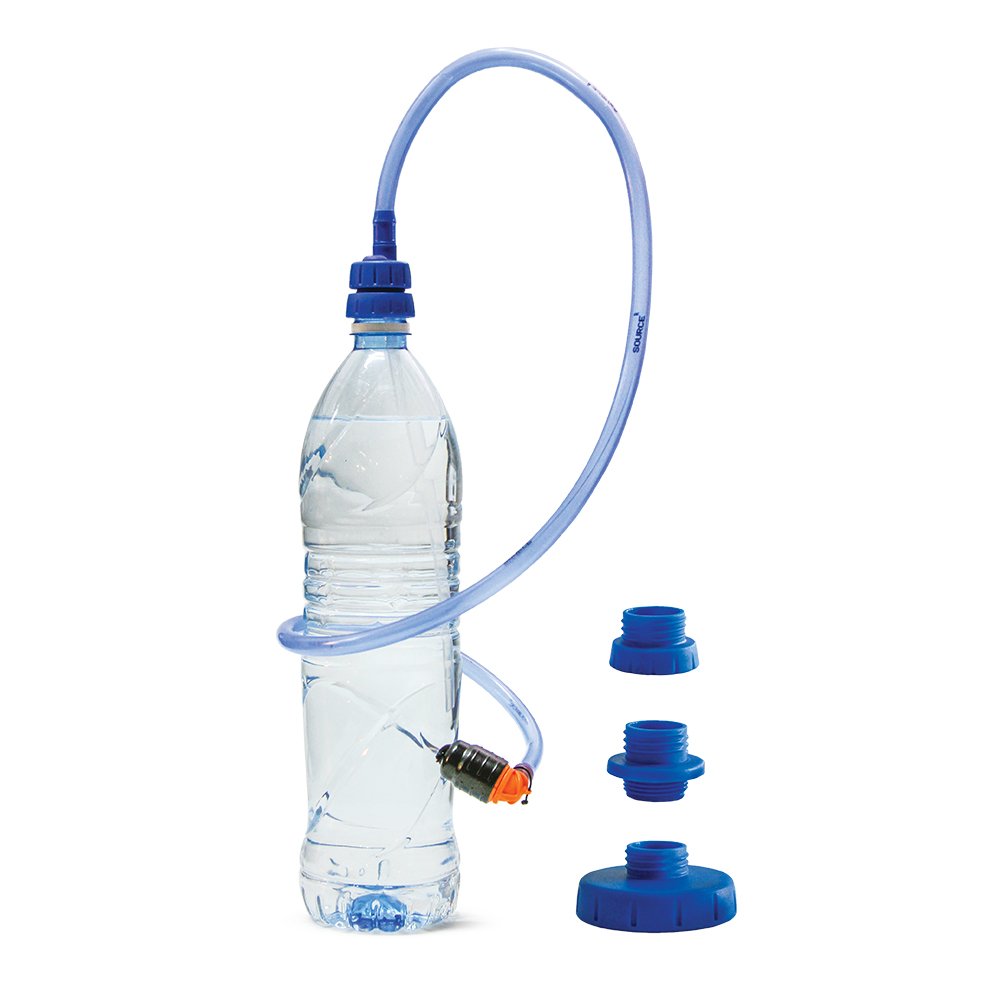
A water bottle hydration tube adapter lets you sip hands-free from any bottle.
I have spent years hiking, biking, and traveling with hydration gear. I know the pain of stopping to drink and the leaks that follow bad gear. In this guide, I break down the water bottle hydration tube adapter with simple steps, clear tips, and honest notes from the trail. If you want easy, fast sips without switching to a full bladder, this article is for you.
What is a water bottle hydration tube adapter?
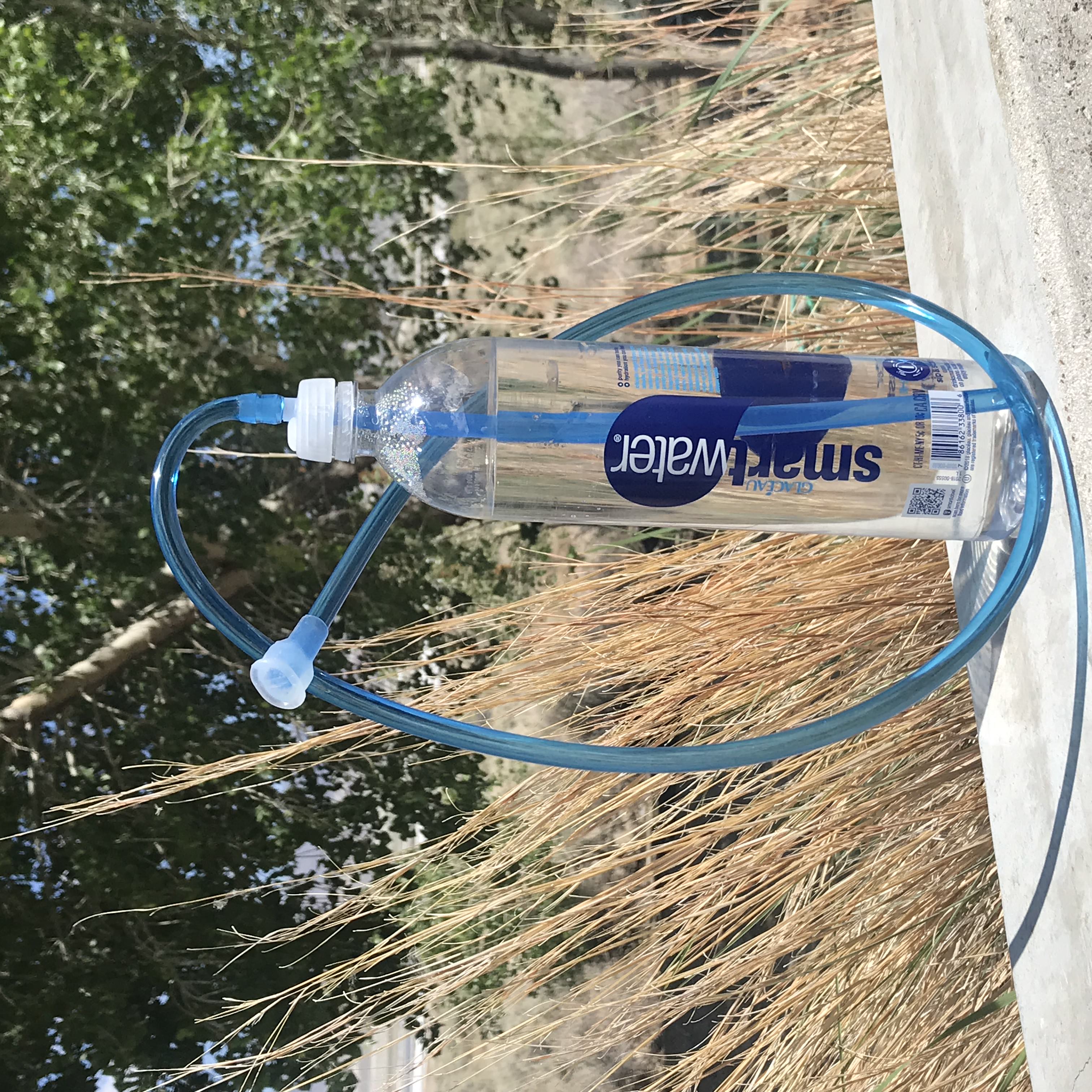
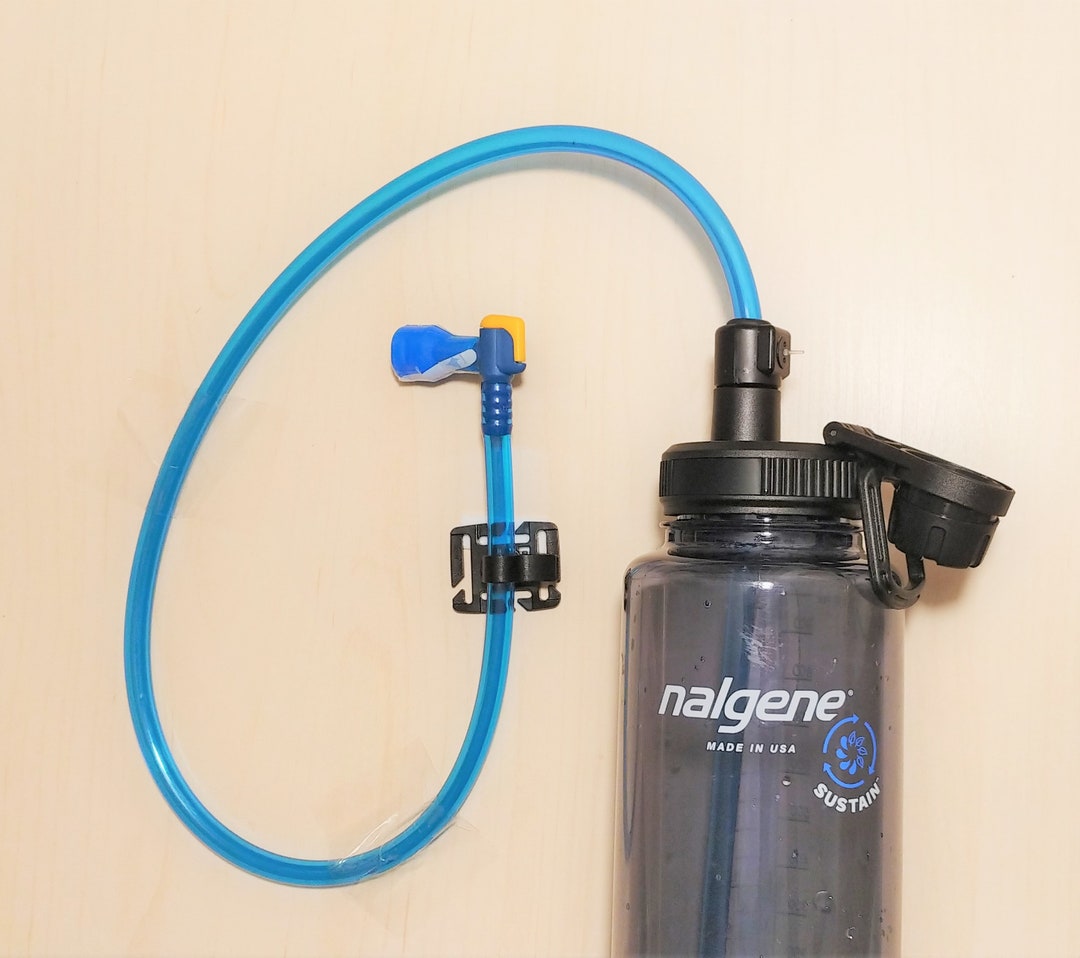
A water bottle hydration tube adapter converts your bottle into a hands-free sipping system. It replaces or caps the bottle lid and connects to a tube with a bite valve. You drink through the tube while the bottle stays in your pack or on your desk.
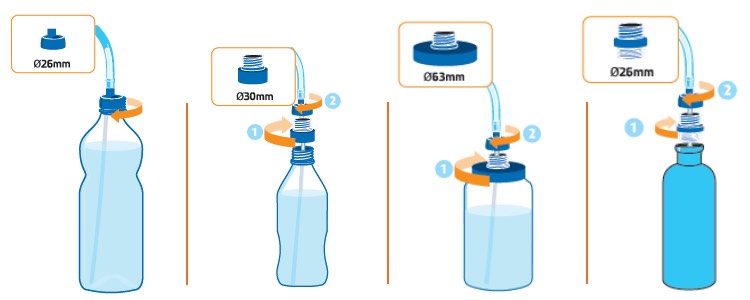
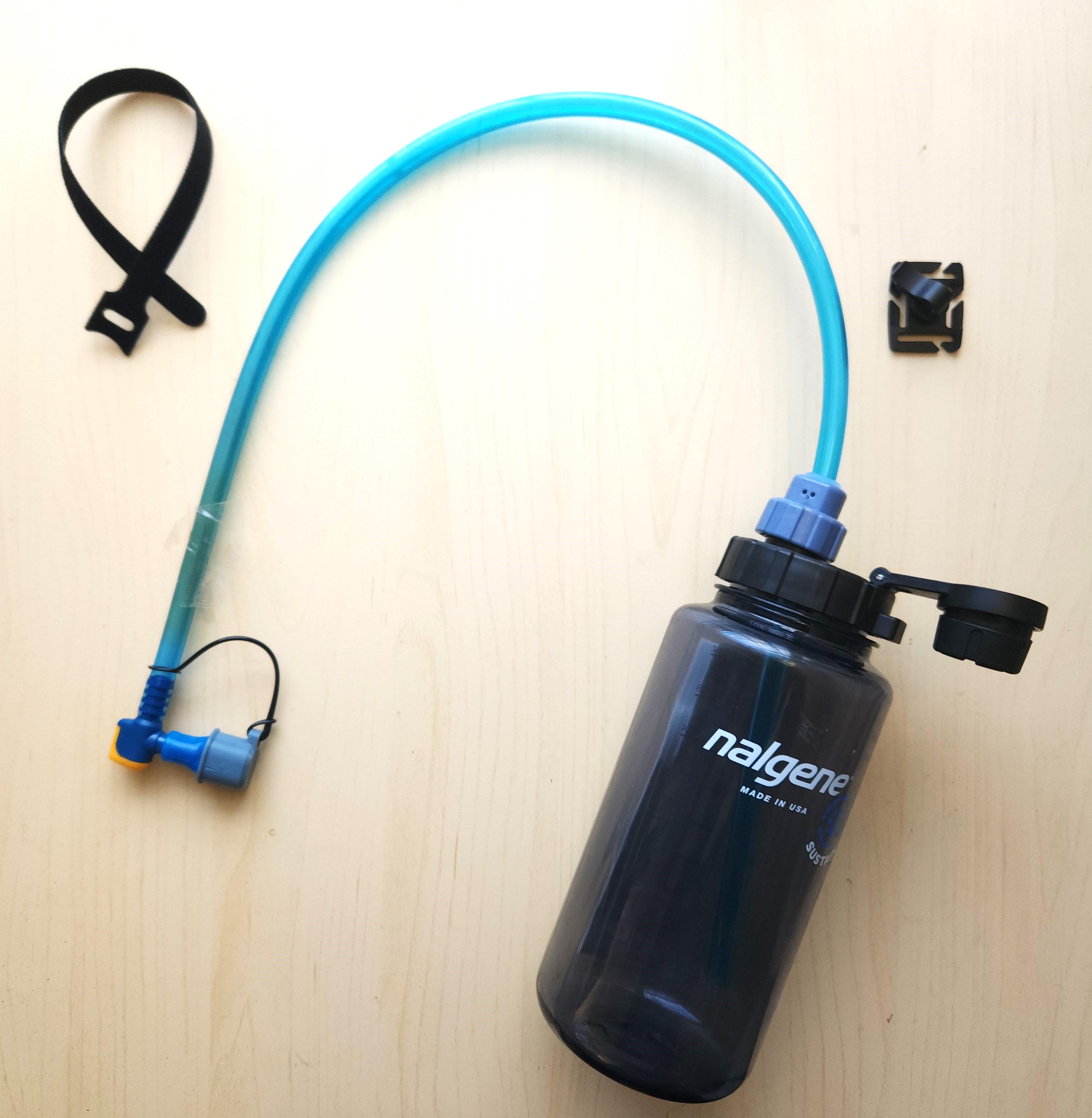
Most systems include a cap or insert, a food-grade tube, and a bite valve. Some add a quick-connect, a dust cover, or a flow shutoff. Many fit common threads like 28 mm on standard PET bottles or 63 mm wide-mouth bottles. Others work with brand-specific lids. Always check the thread size before you buy a water bottle hydration tube adapter.
How a water bottle hydration tube adapter works
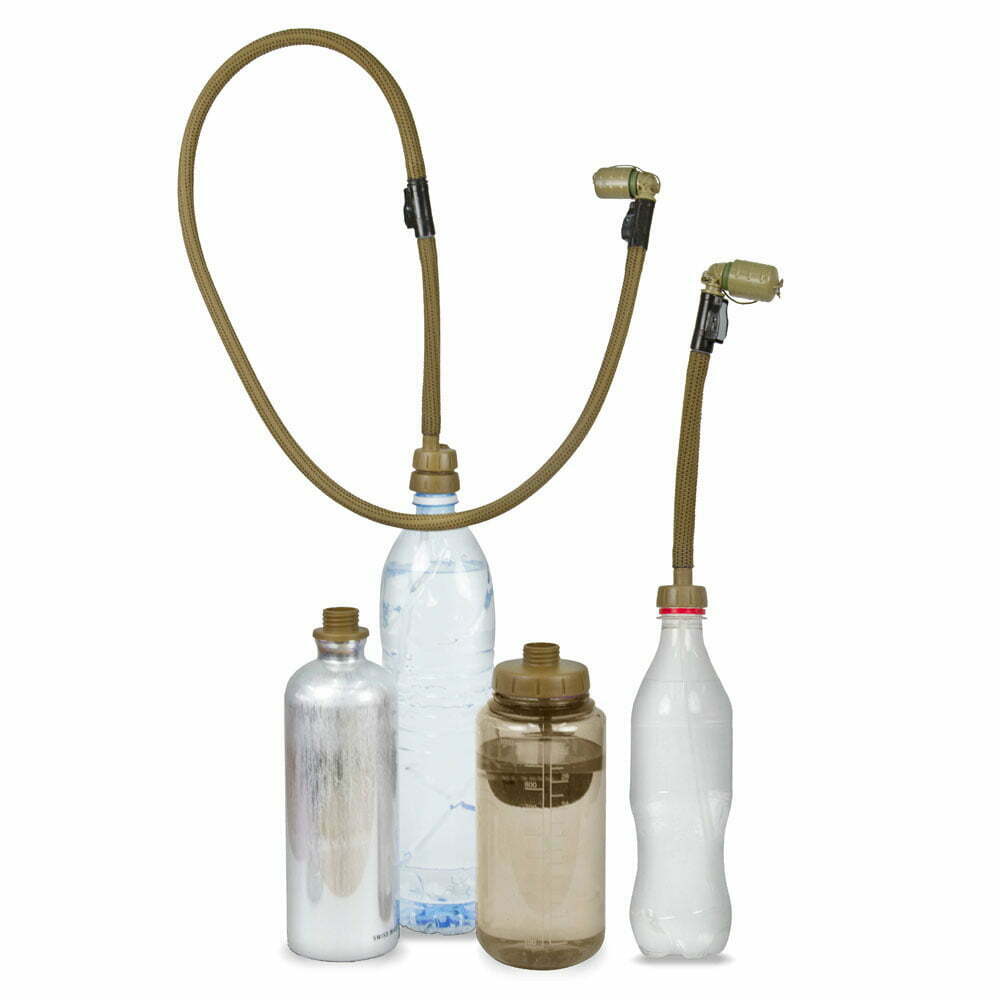
The cap seals the bottle and links to a tube. When you bite the valve and sip, you pull water up the tube. A vent lets air in so the bottle does not collapse. Some caps use a one-way valve to prevent leaks.
The bite valve closes when you stop sipping. Many adapt well to backpacks. You can route the tube over a shoulder strap. Cold-weather tubes may have insulation. This slows freezing in winter.
Benefits and real-world use cases
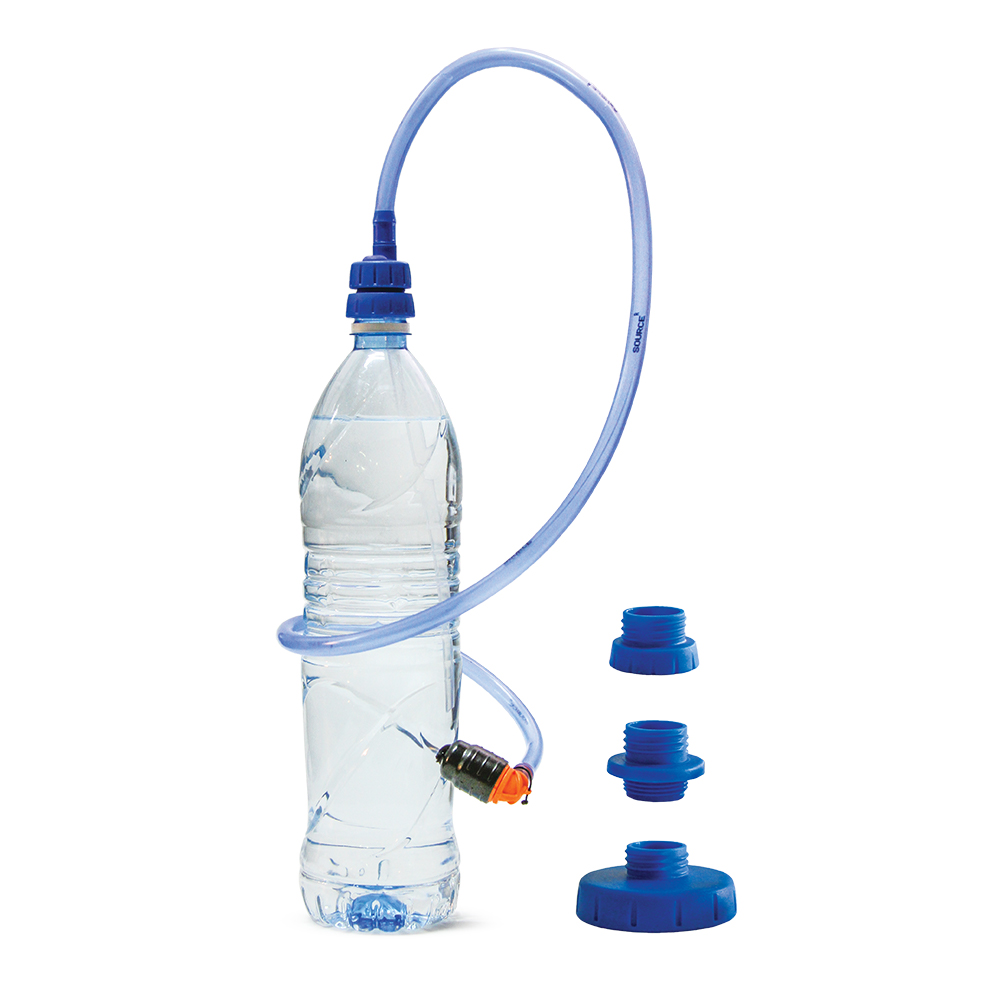
A water bottle hydration tube adapter saves time. You stay moving and still drink often. That steady sipping helps you avoid thirst creep on long days. Many riders and runners like it because both hands stay free.
Use cases I see the most:
- Hiking and backpacking when the bottle sits deep in a side pocket
- Cycling or mountain biking where a quick sip beats a full stop
- Trail running with a vest and soft flask or a slim bottle
- Skiing and snowboarding with a tube under a jacket
- Paddle sports and fishing where stability matters
- Desk work or driving when you want fewer spills
Well-timed sips can boost comfort and focus. A water bottle hydration tube adapter makes those sips easy and repeatable.

Types and compatibility
Not all bottles or threads are the same. Match your water bottle hydration tube adapter to your bottle.
Common thread families:
- 28 mm threads on many disposable and lightweight PET bottles
- 63 mm wide-mouth on popular outdoor bottles
- Narrow-mouth bottles with unique threads that may need a brand-fit cap
- Insulated steel bottles with proprietary caps
Core parts and options:
- Caps or inserts that seal and attach to a tube barb
- Tubes in 1/4 inch inner diameter for strong flow
- Bite valves with or without shutoff switches
- Quick-connects to swap bottles fast
- Inline filter compatibility for backcountry use
- Insulated sleeves and dust covers for grit and cold
Check the product page for thread specs and included parts. If you swap bottles often, look for adapters with quick-connects and extra gaskets.
How to choose the right water bottle hydration tube adapter
Start with fit. The wrong cap will leak or not thread at all. Confirm the thread size and bottle model. If in doubt, measure the cap or test with a known thread ring.
Key factors when picking a water bottle hydration tube adapter:
- Activity fit: running needs light parts; biking needs stable routing
- Valve style: soft bite valves feel nice; shutoffs add leak safety
- Tube length: enough to reach your mouth without kinks
- Insulation: helpful in heat or cold
- Filter-ready: if you travel or hike where you need safe water
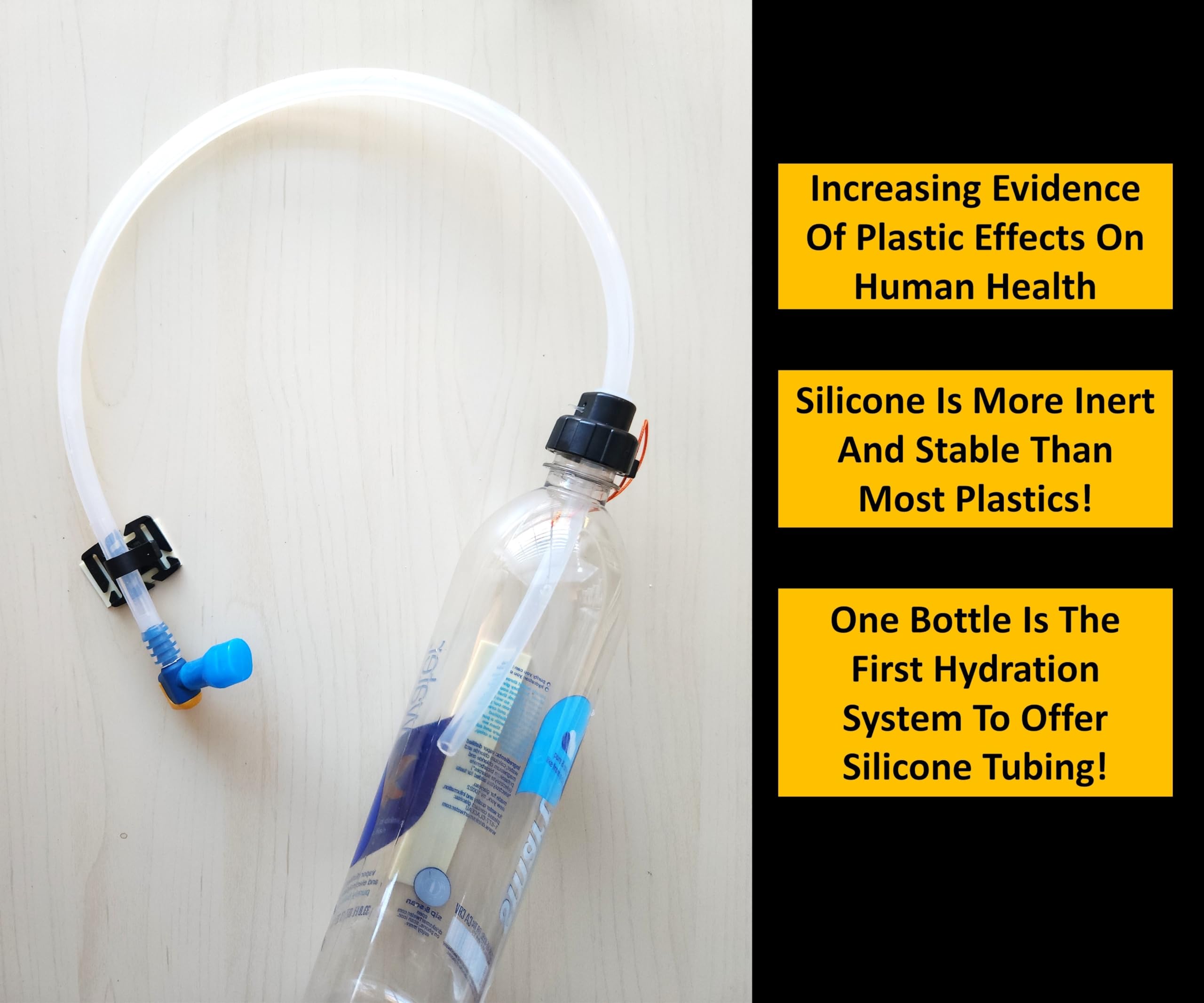
- Materials: BPA-free, food-grade silicone or TPU
- Weight and bulk: ultralight users may favor simple caps and thin tubes
- Spares and support: extra valves and gaskets help gear last
Make a short list of your bottles and use cases. Then match features to needs.
Step-by-step setup and use
Follow these steps to set up your water bottle hydration tube adapter the right way.
- Clean all parts with warm soapy water. Rinse well and air dry.
- Seat the gasket flat inside the cap. A twisted gasket will leak.
- Push the tube fully onto the cap barb. Hand-warm the tube if it feels tight.
- Attach the bite valve. If it has a shutoff, set it to off for now.
- Fill the bottle and cap it snug. Do not overtighten.
- Hold the bottle upside down over a sink. Check for drips.
- Route the tube along your strap with clips. Keep curves wide.
- Open the shutoff, bite, and take a test sip. Adjust length as needed.
On bikes, clip the tube to the bar or strap near your chest. For desks, keep the tube short and the valve covered between sips.
Cleaning, maintenance, and hygiene
Treat your water bottle hydration tube adapter like a food contact tool. Rinse the tube and valve after each use. Let them dry fully.
For weekly care:
- Soak in warm water with a drop of dish soap
- Scrub the tube with a long brush if you have one
- Use cleaning tabs when you notice odors
- Disassemble the valve and let all parts air dry
Avoid sugar drinks unless you can clean the same day. Store with the cap off so moisture can escape. Replace cloudy tubes, cracked valves, or tired gaskets. Do not let water freeze in the tube. Ice can split the line.
Troubleshooting and common mistakes
If the cap leaks, reseat or replace the gasket. Check that you matched the right thread. If flow feels weak, look for kinks or a stuck bite valve. Warm the valve to free it up.
Tastes like plastic? Deep clean, then soak with a mild baking soda mix. If you use a filter and flow slows, the filter may be clogged. Backflush if the model allows. In cold, keep the tube under your jacket. After each sip, blow a puff of air to clear water from the line.
At high altitude or heat, slight pressure can build. Crack the cap a quarter turn to vent before re-tightening if needed.
Field-tested tips from experience
I have used a water bottle hydration tube adapter on desert hikes and snowy ridges. A few tricks made the difference. Use a tube magnet or clip to park the valve high on your strap. That keeps it clean and within easy reach.
In winter, route the tube under a layer. Blow back after each sip to keep it dry. A valve cover is gold in dusty wind. For ultralight trips, pair the adapter with a lightweight 28 mm bottle. For long routes, I like a quick-connect near the shoulder. I can swap bottles fast without re-threading the cap.
Safety and sustainability notes
Choose food-grade parts and BPA-free materials. Do not use hot liquids unless the maker lists a safe temperature. Hot water can soften seals and cause leaks.
Keep a spare gasket in your repair kit. Replace worn tubes to avoid hidden mold. A water bottle hydration tube adapter can also cut single-use plastic. You can refill and keep your sip system, day after day.
Budget and where to buy
You can find a water bottle hydration tube adapter in a wide price range. Basic kits cost about the price of a lunch. Full kits with insulation, covers, and quick-connects cost more.
What to look for:
- Clear parts list with cap, tube length, valve, and gaskets
- Thread sizes in plain text
- Replacement parts and warranty notes
- Photos that show the inside of the cap and the seals
Shop at outdoor stores for hands-on fit checks. Online shops offer more sizes and bundles. Read reviews for leak issues and taste notes.
Frequently Asked Questions of water bottle hydration tube adapter
Will a water bottle hydration tube adapter fit any bottle?
Not always. You must match the adapter thread to your bottle’s thread size. Check 28 mm, 63 mm, or brand-specific lids before buying.
Can I use hot drinks with my adapter?
Many adapters are not rated for hot liquids. Heat can soften seals and cause leaks, so use only within the maker’s temperature range.
How do I keep it from leaking in my pack?
Seat the gasket flat, tighten the cap, and close any shutoff valve. Test upside down over a sink before you head out.
Can I use it with a water filter?
Yes, some systems accept inline filters or thread to filter outlets. Make sure the tube size and connectors match your filter.
How do I clean mold from the tube?
Soak in warm soapy water, scrub with a tube brush, and rinse well. Use cleaning tabs for stubborn build-up and let parts dry fully.
What tube length should I choose?
Pick a length that reaches your mouth with a gentle curve. Extra length adds weight and kinks, so trim if it flops around.
Conclusion
A water bottle hydration tube adapter gives you the speed of a hose with the simplicity of a bottle. It keeps you sipping often, moving steady, and focused on the moment. Match the thread, set it up right, and clean it with care. You will get a leak-free, ready-to-go system for trail, road, or desk.
Try one on your next ride or hike. Start small, dial your setup, and build from there. If this guide helped, share it with a friend, drop a question in the comments, or subscribe for more field-ready tips.