A refined exterior hiding bold strength, grit, and unexpected fire within.
If you’ve ever met someone who looks soft but stands firm, you already get the whiskey in a teacup meaning. In this guide, I’ll break down the roots, nuance, and real-world use of this vivid phrase. I’ll share examples, research-backed insights, and personal stories that show how whiskey in a teacup meaning captures quiet power. By the end, you’ll know how to use it with tact, clarity, and confidence.

What Does “Whiskey in a Teacup” Mean?
At its core, whiskey in a teacup means a person who appears gentle or refined on the outside but holds strong will, grit, and sometimes a bit of fire on the inside. It blends two images: whiskey as bold, warm, and punchy; a teacup as delicate, polite, and calm. Together, the phrase paints a friendly face with a fierce spirit.
Most people use it as praise. It hints at grace under pressure. It suggests charm that comes with a backbone. Some also use it to describe hidden heat, humor, or bold opinions wrapped in kind manners.
You may hear a literal spin too. In some contexts, it can hint at whiskey poured into a teacup to keep things discreet. Yet the idiomatic sense is far more common and is the focus when people search whiskey in a teacup meaning.
Try these simple uses:
- She’s whiskey in a teacup: kind eyes, unshakable resolve.
- Don’t let his calm voice fool you. He’s whiskey in a teacup in negotiations.
- Their brand is whiskey in a teacup: warm tone, strong stance.

Origins and Cultural Roots
The whiskey in a teacup meaning draws on contrast: strong spirits versus delicate china. Many speakers associate it with the American South, where social grace and inner steel are a common pairing in stories and speech. The image also fits historical habits: during stricter times, people sometimes sipped spirits discreetly, and a teacup symbolized polite company.
Linguists point out that idioms spread fast through pop culture and media. While the exact first use is unclear, the phrase gained wide attention in recent years. It reflects a long-standing cultural idea: sweetness can sit right beside strength. That is the heart of the whiskey in a teacup meaning that people love today.

Whiskey in a Teacup in Pop Culture
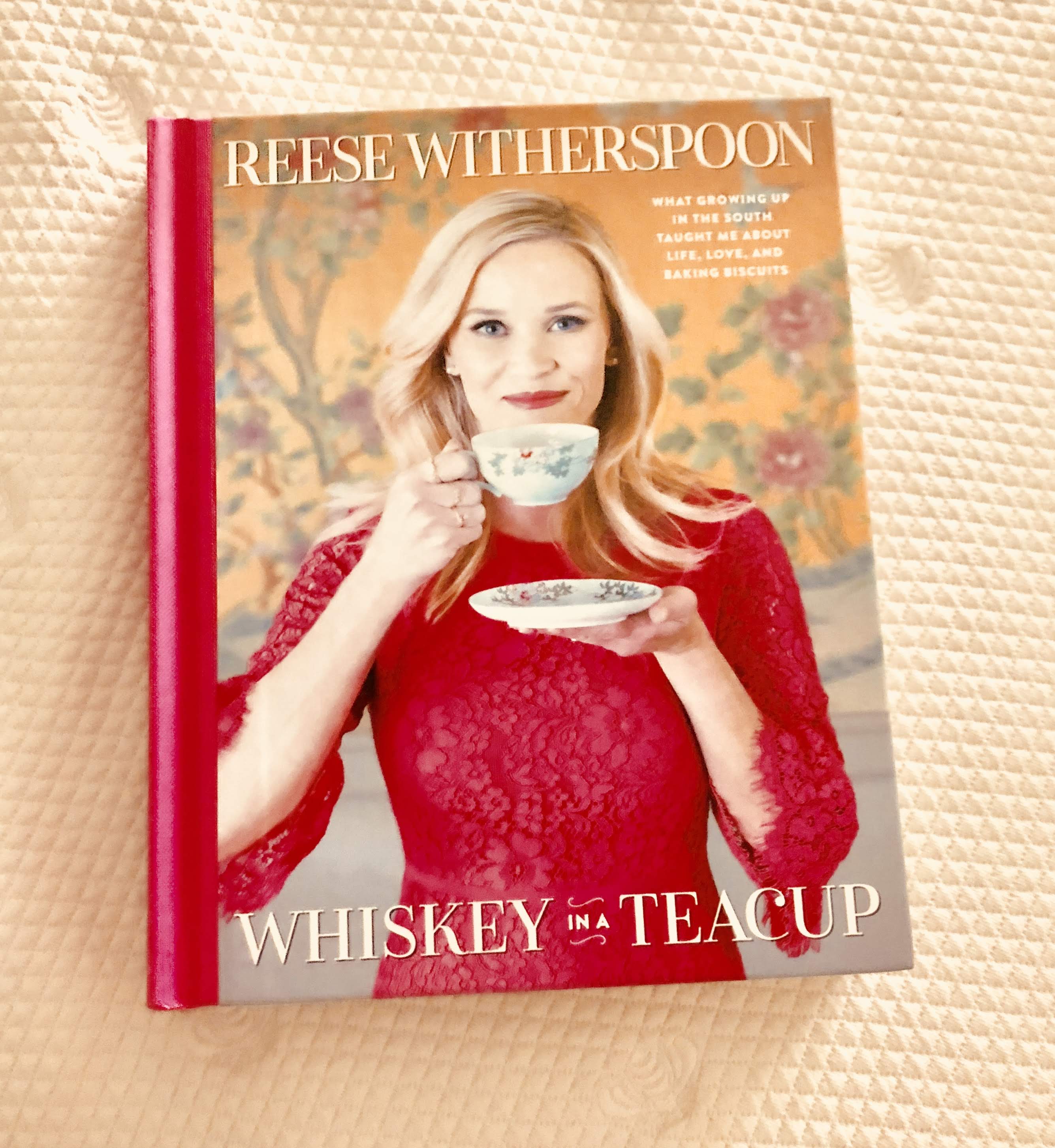
The phrase went mainstream after a high-profile lifestyle book used it to celebrate the balance of charm and backbone. Since then, brands, creators, and everyday users have embraced it on social media, in captions, and even on home goods. It shows up in short bios, wedding toasts, and leadership talks.
This popular use reinforced the whiskey in a teacup meaning as a compliment, not a jab. It says, “Don’t underestimate me,” but does so with warmth and wit.
How to Use the Phrase Naturally
To keep the whiskey in a teacup meaning clear and kind, mind tone and context.
- Use it as praise. You’re pointing out hidden strength in a graceful frame.
- Keep it personal or specific. Say what strength you saw.
- Avoid stereotypes. Respect the person behind the phrase.
- Match the setting. It works in casual talk, profiles, and storytelling.
Example sentences you can borrow:
- My manager is whiskey in a teacup. She listens softly and drives results.
- Grandma was whiskey in a teacup, raising five kids and a business with calm.
- That nonprofit is whiskey in a teacup: friendly voices, unstoppable impact.
Pitfalls to avoid:
- Do not use it to mock politeness or looks.
- Do not imply someone is fake. It’s about depth, not pretense.

Comparisons With Similar Idioms
These close cousins help map the whiskey in a teacup meaning:
- Iron fist in a velvet glove: Strong control wrapped in courtesy. Often about authority. Whiskey in a teacup is wider, touching on personality, grit, and charm.
- Steel magnolia: Southern-rooted idea of soft grace with inner steel. Very close in spirit, but whiskey in a teacup leans more playful.
- Don’t judge a book by its cover: Warns against quick judgments. Whiskey in a teacup goes further by praising the mix of soft style and firm core.
- Wolf in sheep’s clothing: About deception and harm. Not related. Whiskey in a teacup is positive and sincere.
Real-Life Stories and Lessons
A few years ago, I coached a project lead who spoke in a calm, almost musical tone. In tense meetings, she smiled, paused, and then asked one crisp question that cut to the core. Deals moved. Conflicts eased. That is the whiskey in a teacup meaning in action: gentle cadence, solid spine.
I also think of my aunt. Lace curtains, hand pies, and a laugh that made you feel safe. But when a contractor tried to double-charge her, she held records, dates, and policies line by line until the bill was fair. Lessons I learned:
- Soft skills are not soft outcomes.
- Warmth plus facts beats volume plus guesses.
- Quiet confidence scales in teams, families, and brands.

Common Misunderstandings and Nuance
- It’s not about drinking. The whiskey is a symbol of strength or heat.
- It’s not only for women. Anyone can be whiskey in a teacup.
- It’s not a backhanded label. Tone decides impact. Use it as praise.
- Culture matters. In some circles, the image lands better when people value contrast and subtlety.
When in doubt, add context. Name the trait you admire, like resilience, clarity, or courage.
Quick Reference: Pronunciation, Grammar, and Variations
- Pronunciation: WISS-kee in a TEE-cup.
- Capitalization: Lowercase in sentences. Capitalize at the start or in titles.
- Hyphenation: No hyphens needed.
- Spelling: Whiskey (US, Ireland). Whisky (Scotland, Canada). Either form works in the phrase.
- Part of speech: Noun phrase used as a predicate or descriptor.
Examples:
- She’s whiskey in a teacup.
- That leader is whisky in a teacup in crisis mode.
Frequently Asked Questions of whiskey in a teacup meaning
What is the whiskey in a teacup meaning?
It means someone looks gentle or refined but has real strength and fire inside. It’s praise for quiet power.
Is the whiskey in a teacup meaning offensive?
No, not when used kindly. It’s usually a compliment that honors grace and grit together.
Where did the whiskey in a teacup meaning come from?
Its exact start is unclear. It grew from cultural images of strong spirits and delicate cups, and spread widely through modern media.
How do you use the whiskey in a teacup meaning in a sentence?
Say, “She’s whiskey in a teacup: sweet voice, steel resolve.” Keep it warm and specific.
Does the whiskey in a teacup meaning relate to drinking?
Not usually. The whiskey stands for inner strength or heat, not actual alcohol use.
Is it the same as iron fist in a velvet glove?
They overlap but are not identical. Iron fist hints at control; whiskey in a teacup highlights charm plus backbone.
What about whisky vs. whiskey in the phrase?
Both spellings work. In US contexts, whiskey is more common.
Conclusion
The whiskey in a teacup meaning captures a timeless truth: real strength often arrives in a gentle cup. Use the phrase to honor people who pair kindness with courage and polish with power. Try it this week: spot one person who fits, name the trait you admire, and tell them why it matters. If this guide helped, explore more language deep-dives, subscribe for fresh insights, or drop your own example in the comments.