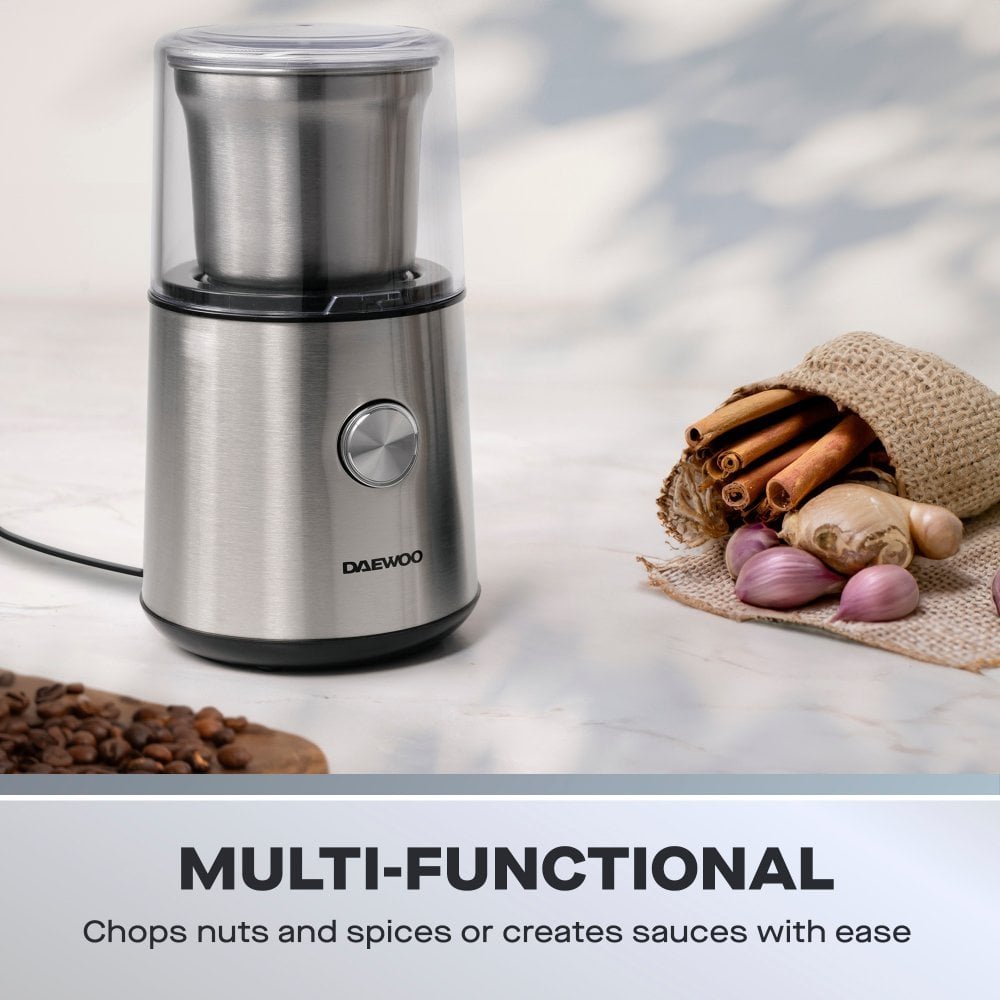
A wet and dry spice grinder handles both soaked pastes and dry whole spices fast.
If you love bold flavor, a wet and dry spice grinder is a game changer. I’ve tested dozens in home kitchens and pro spaces. This guide breaks down how they work, what to buy, and how to get the best taste from every batch. You’ll learn pro tips, common mistakes, and simple steps to master your wet and dry spice grinder today.

What Is a Wet and Dry Spice Grinder?
A wet and dry spice grinder is a compact tool made to crush both dry spices and wet pastes. It has a strong motor, sharp blades, and a jar or cup. It turns whole spices into fine powders. It also blends soaked items into smooth chutneys and curry pastes.
Many models ship with two jars. One for dry grinding. One for wet grinding. The wet jar has a tight lid and better seals. The dry jar handles beans, seeds, and hard spices. Together, they save time, lock in aroma, and boost taste.
:max_bytes(150000):strip_icc()/sea-spice-grinders-ashlee-redger-03-7e71a160318748229a58471cbb32115c.jpeg)
Why Choose a Wet and Dry Spice Grinder?
Fresh ground spices taste brighter. They release essential oils right before you cook. A wet and dry spice grinder gives you that edge at home.
Key wins:
- One tool for powders and pastes saves space and money.
- Faster than a mortar and pestle for busy weeknights.
- Consistent texture for blends, rubs, and masalas.
- Great for global cooking: Indian chutneys, Thai curry pastes, and more.
From my own kitchen tests, a wet and dry spice grinder cuts meal prep in half. My garam masala pops with a sweet heat. My green chutney stays bright and smooth. That is hard to get with a basic blender.

How a Wet and Dry Spice Grinder Works
Most units use a high-speed motor and stainless steel blades. Dry grinding needs speed and short bursts. Wet grinding needs torque and a sealed jar. The blade funnels ingredients down. The vortex pulls liquid and solids into the edge.
Good wet jars have flow breakers. These small ridges push the mix back to the blades. Many grinders also have a safety lock. The motor runs only when the jar sits right. Duty cycles matter too. Many models need short rests between runs to keep cool.

Types of Wet and Dry Spice Grinder
There are a few common types:
- Compact electric spice grinders with two cups. Simple and fast for small batches.
- Mixer grinders with multiple jars. Popular in Indian kitchens for daily wet and dry jobs.
- High-power multi-grinders. Larger motors for nuts, seeds, and dense pastes.
- Manual options like mortar and pestle. Great control, but slower and more effort.
Pick what matches your cooking style. If you make chutney often, a mixer grinder with a wet jar is ideal. If you blend small spice mixes, a compact wet and dry spice grinder is enough.

Buying Guide: Key Features to Consider
Look for these features before you buy a wet and dry spice grinder:
- Motor power: 200–300W is fine for small batches. 500–750W is better for tough wet pastes and nuts.
- Blade quality: Food-grade stainless steel stays sharp and resists rust.
- Jar material: Stainless steel jars last longer. Transparent lids help you see texture.
- Capacity: 50–100 g dry is great for home use. Wet jars should hold enough for one curry base.
- Seals and lids: Leak-free gaskets are key for wet grinding.
- Controls: Pulse button gives texture control. Speed steps help with wet blends.
- Noise: Quieter builds use better dampening and fit.
- Cleaning: Removable cups and simple parts save time.
- Warranty and service: Check for parts, jars, and blade availability.
- Safety: Overload protection and a jar lock prevent damage.

My Testing Notes and Real-Life Tips
Here is what works in daily use with a wet and dry spice grinder:
- Toast whole spices first. Let them cool. Then pulse for a richer taste.
- Use short pulses for dry blends. Long runs can burn spices.
- For wet pastes, add liquid a little at a time. Scrape the sides for a smooth mix.
- If the motor warms up, rest it for 2–3 minutes.
- Grind a spoon of dry rice to clean and freshen blades after oily mixes.
- Do not overfill. Half to two-thirds full gives a finer grind.
Mistakes to avoid:
- Grinding hot, just-roasted spices right away. Steam clumps the powder.
- Running long dry cycles without pauses. Heat dulls oils and flavor.
- Using the dry jar for wet jobs. You may get leaks and uneven texture.

Step-by-Step: How to Use and Clean
Dry grinding:
- Measure whole spices. Toast if desired, then cool fully.
- Add to the dry jar. Fill halfway.
- Pulse 3–5 times. Check texture. Pulse more if needed.
- Let the jar cool before opening to avoid a spice cloud.
Wet grinding:
- Add chopped wet items first. Then add a little liquid.
- Start on low or pulse. Scrape the sides.
- Add more liquid in small amounts to reach your texture.
- Run short bursts to keep the motor cool.
Cleaning:
- Unplug. Remove the jar and blade per instructions.
- Rinse right away. Use warm water and a drop of soap.
- For odors, whirl a mix of baking soda and water for 20 seconds.
- Dry all parts well before reassembly.

Safety, Maintenance, and Troubleshooting
Safety:
- Always lock the jar before use.
- Keep hands and tools out while running.
- Do not run longer than the duty cycle.
Maintenance:
- Check seals and gaskets monthly.
- Sharpen or replace blades when grind times rise.
- Store jars dry to prevent rust and smells.
Troubleshooting:
- Overheating: Reduce fill, pulse more, and rest the motor.
- Uneven grind: Use smaller batches and scrape the sides.
- Leaks: Replace the gasket and avoid overfilling the wet jar.
- Burnt smell: Clean the motor vents and allow cool-down periods.
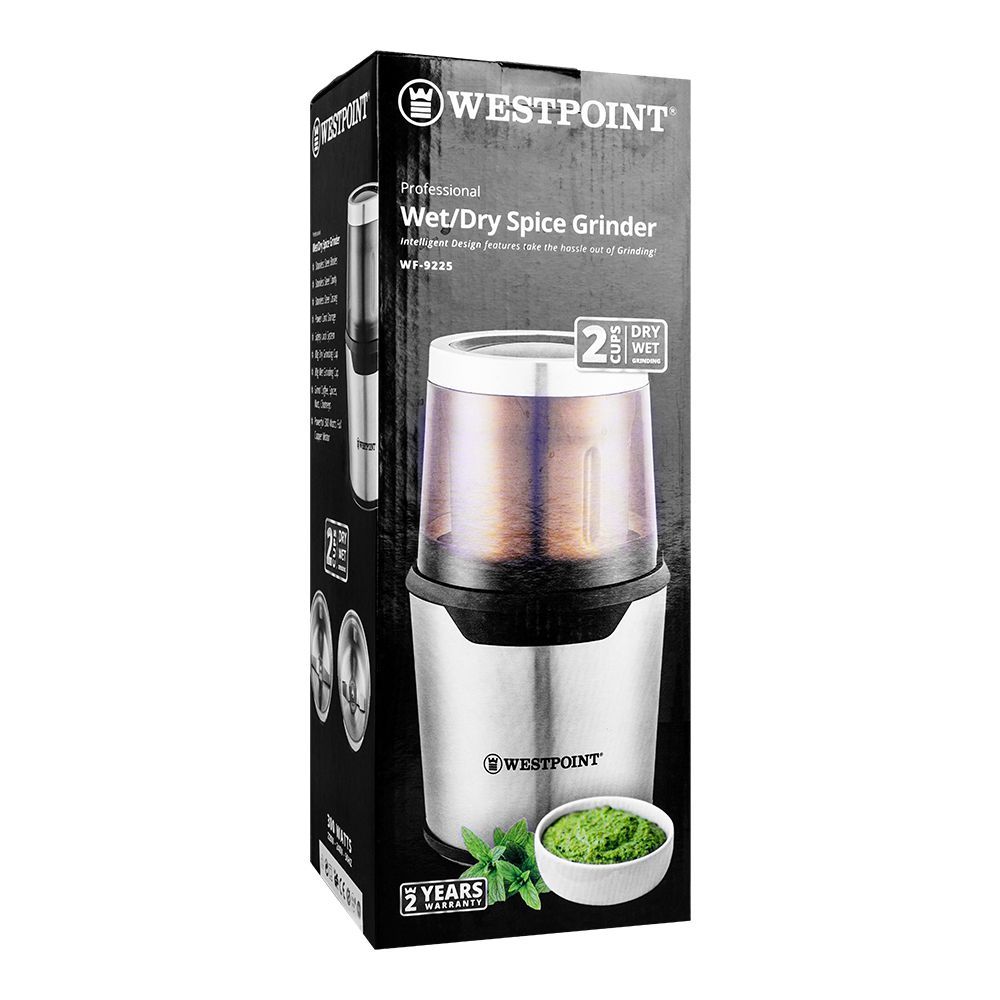
Best Spices and Mixes to Try
Dry blends:
- Simple garam masala: cumin, coriander, cardamom, black pepper, cloves, cinnamon.
- Smoky chili powder: dried chilies, cumin, garlic flakes, oregano, a touch of sugar.
- Chai masala: cardamom, cinnamon, ginger, black pepper, clove, nutmeg.
- Taco blend: chili, cumin, paprika, garlic, onion, oregano.
Wet pastes:
- Ginger-garlic paste: equal parts ginger and garlic, a little oil, and salt.
- Green chutney: cilantro, mint, green chilies, lemon, cumin, a splash of water.
- Red curry base: soaked dried chilies, lemongrass, garlic, shallot, galangal, lime zest.
Nuts and extras:
- Almond meal for baking.
- Fresh coconut paste for curries.
- Seed butters in short pulses with rests.
Price, Warranty, and Value
A compact wet and dry spice grinder starts at a modest price. Mid-range mixer grinders cost a bit more but add power and jars. High-end models cost the most but give longer life and smoother pastes.
Check:
- Warranty length on motor and jars.
- Cost of spare jars, blades, and gaskets.
- Energy use if you blend often.
- Service centers and parts support in your area.
A balanced pick often beats the most powerful one. Buy for your real batch size and cooking style.
Comparison: Wet and Dry Spice Grinder vs Other Tools
Versus a blender:
- Grinders handle small, dense batches better.
- Blenders often need more liquid and make larger batches.
Versus a food processor:
- Grinders make finer powders and smoother small pastes.
- Processors shine for chopping and larger volumes.
Versus a coffee grinder:
- A wet and dry spice grinder handles both wet and dry tasks.
- Coffee grinders are dry-only and may hold odors.
Versus a mortar and pestle:
- Grinders are faster and more even.
- Mortar and pestle give control and a rustic texture.
Frequently Asked Questions of wet and dry spice grinder
Can I use one jar for both wet and dry jobs?
You can, but it is not ideal. Use the wet jar for pastes and the dry jar for powders to avoid leaks and odors.
How do I prevent spices from overheating?
Use short pulses and small batches. Let the grinder rest for a minute between bursts.
What wattage is best for a wet and dry spice grinder?
For home use, 200–300W works for dry spices. For wet pastes, nuts, and seeds, 500–750W is safer.
Can a wet and dry spice grinder grind coffee beans?
Yes, but coffee smells can linger. Keep a separate dry cup for coffee, or clean with rice after each use.
How do I remove strong odors after wet grinding?
Spin a paste of baking soda and water for 20 seconds, then rinse. Air-dry with the lid off.
Conclusion
A wet and dry spice grinder brings fresh flavor, speed, and control to your kitchen. You get bright powders, silky pastes, and less waste. Pick the right size and power, learn the pulse-and-rest rhythm, and you will taste the upgrade in every dish.
Ready to level up your meals? Try one dry blend and one wet paste this week. Share your results or questions in the comments, and subscribe for more hands-on kitchen tests and tips.