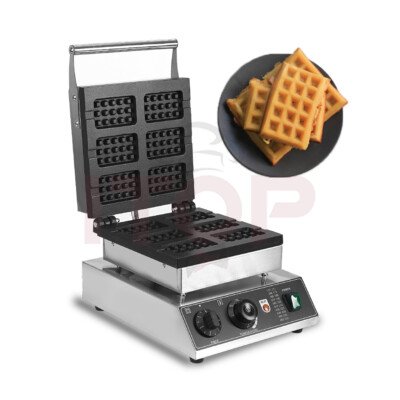
A waffle maker for commercial use delivers speed, consistency, and all-day durability.
If you run a café, brunch spot, bakery, or hotel buffet, you need tools you can trust. I’ve set up breakfast lines for busy weekends and tested gear under fire. This guide breaks down the best waffle maker for commercial use with clear tips, data-backed choices, and lessons I learned the hard way. Read on to choose the right machine, cut waste, and serve waffles that win repeat customers.
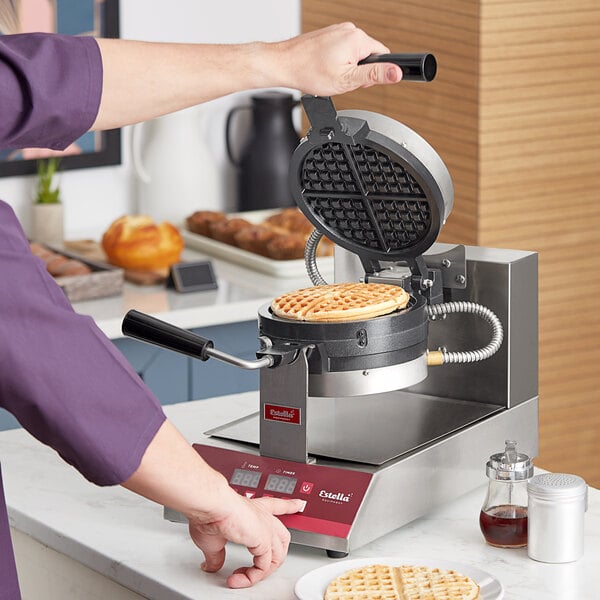
What Sets a Commercial Waffle Maker Apart
A waffle maker for commercial use is built for long shifts. It holds steady heat, bakes fast, and repeats results. The parts last through heavy hands, busy rushes, and daily cleanings.
Key differences you will notice:
- Heavy-duty build with cast aluminum or cast iron plates for even heat.
- High wattage and fast recovery to keep lines moving.
- Timers, audible alerts, and rotating frames for even browning.
- Certifications for sanitation and electrical safety for peace of mind.
In my first brunch pop-up, I tried a home unit. It faded by noon. A true waffle maker for commercial use kept color even and cut wait times by half.
Types of Commercial Waffle Makers
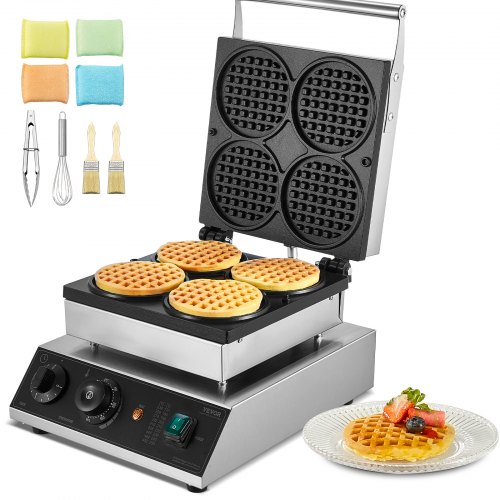
Choose the style that matches your menu and guests. The right waffle maker for commercial use depends on batter, throughput, and service style.
Common types:
- Belgian deep-grid: Tall pockets for toppings and syrup. Great plate appeal.
- Classic thin-grid: Crispy, fast cook, lighter bite. Good for diners.
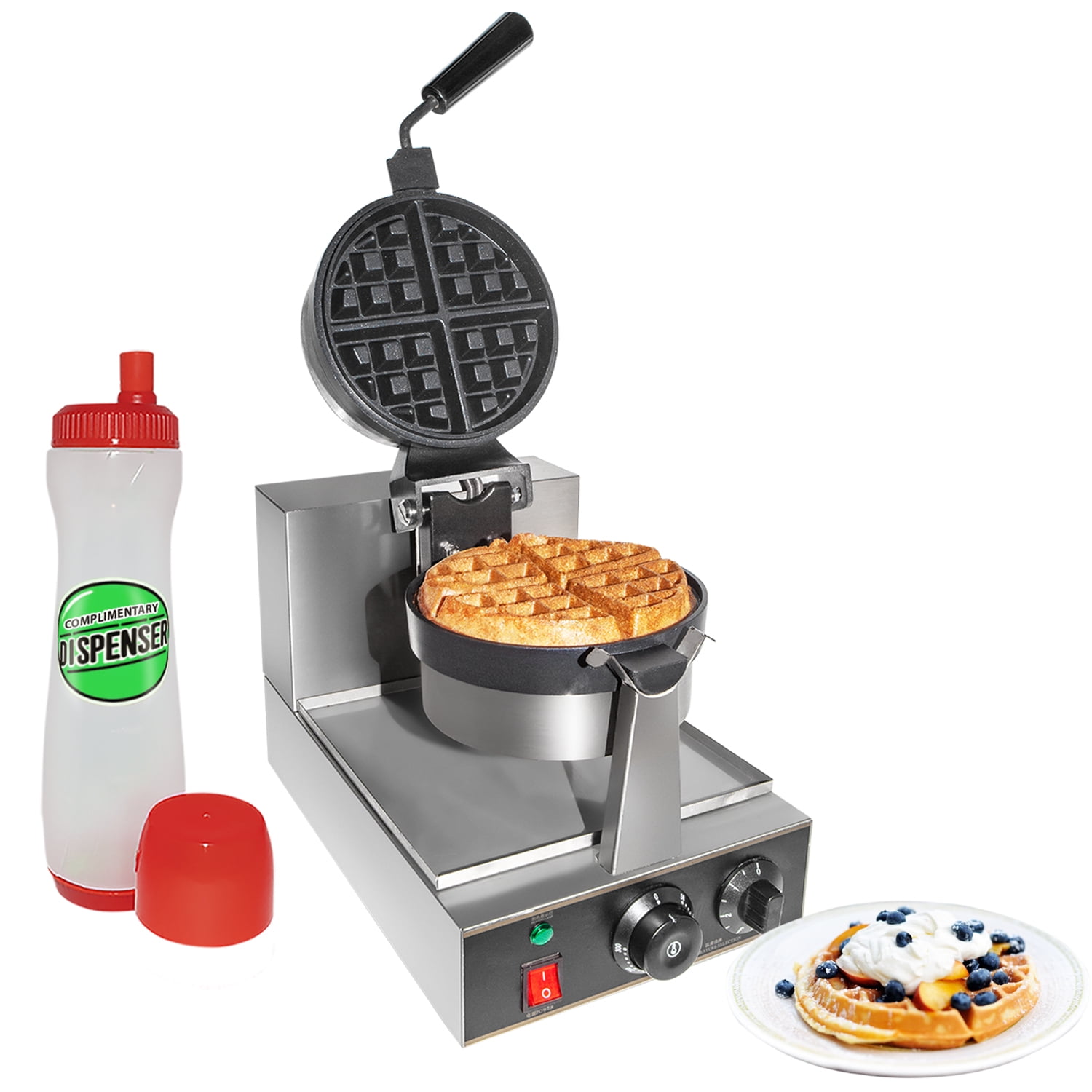
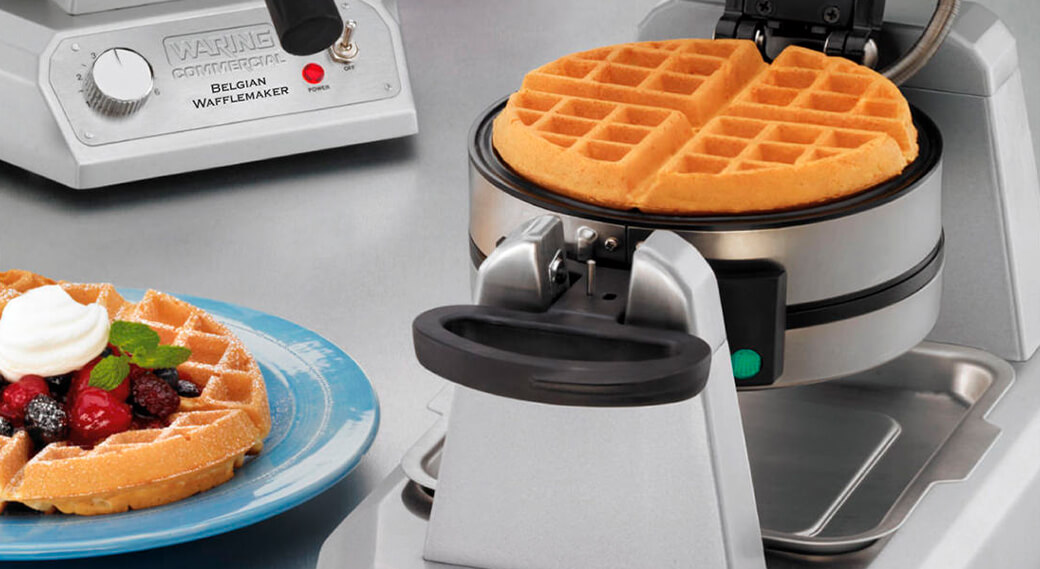
- Double-rotary: Two grids that flip. Best for even color and high volume.
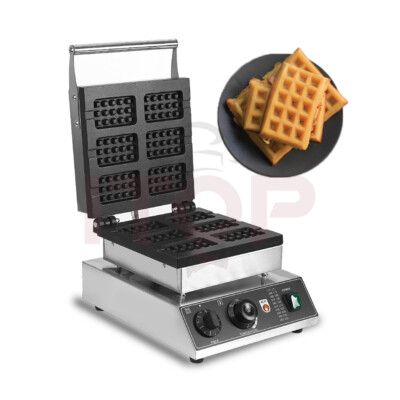
- Multi-plate banks: Three to six plates in one frame. Ideal for buffets.
- Bubble or Hong Kong style: Fun street-food look. Attracts social shares.
- Waffle cone makers: For gelato or soft-serve add-ons.
Tip from the line: If you do all-day brunch, a double-rotary waffle maker for commercial use gives the best balance of speed and control.
Key Features to Evaluate Before You Buy
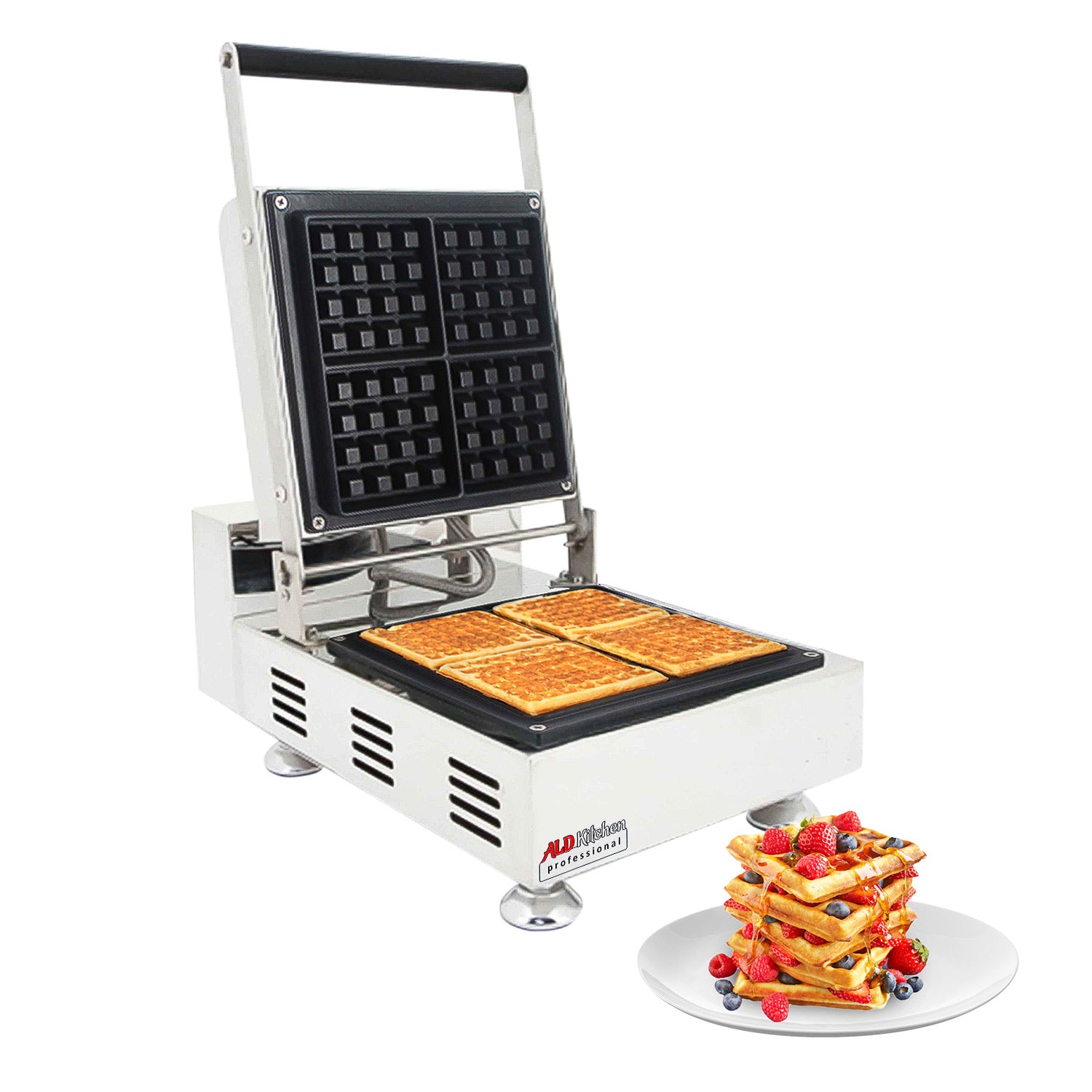
A waffle maker for commercial use rises or falls on a few key specs. Focus on what affects your day-to-day.
Must-have features:
- Power and recovery: Look for 1,200–2,000 watts per head for steady output.
- Temperature range: 300–570°F with stable control and fast preheat.
- Timer and alerts: Simple dials or digital timers cut guesswork.
- Plate material: Cast iron for heritage crisp; cast aluminum for speed.
- Nonstick vs seasoned: NSF nonstick cleans fast; iron needs seasoning but lasts.
- Removable plates: Faster deep clean and less downtime.
- Drip trays and rim design: Reduce mess and batter burns.
- Certifications: NSF for food contact, UL or ETL for electrical safety.
What I learned: Digital controls help new staff hit color targets. But simple dial models are easier to fix in-house. Match the control scheme to your team.
Capacity Planning and Throughput Math
Predict your peak. A waffle maker for commercial use should meet your rush without stress.
Use this simple method:
- Time a full bake cycle. Many Belgian waffles need 3–5 minutes.
- Multiply plates by waffles per bake.
- Waffles per hour = plates × (60 ÷ bake minutes).
Example:
- Double-rotary with 4-minute bakes.
- 2 waffles per cycle × (60 ÷ 4) = 30 waffles/hour.
- Two units side by side = 60 waffles/hour.
Add 10–20% buffer. This covers batter rests, plate cleaning, or staff swaps.

Power, Electrical, and Ventilation
A waffle maker for commercial use draws real power. Plan ahead so breakers do not trip mid-brunch.
What to check:
- Voltage: Many units run on 120V. High-output units may need 208–240V.
- Amps: Check nameplate. Keep each unit on a dedicated circuit if possible.
- Plugs: Match NEMA plug types to your outlets.
- Heat load: Waffle stations add heat. Improve airflow and use shields where needed.
- Counter space: Leave room for batter, trays, and cooling racks.
I once put two 1,800W heads on one 15A circuit. Bad call. We split circuits before the next shift and solved it.
Batter, Recipes, and Consistency Tips
Your waffle maker for commercial use loves a steady batter. Small steps lock in a crisp shell and tender crumb.
Best practices:
- Rest batter 10–20 minutes to let flour hydrate.
- Use a scale for flour. Aim for a steady batter thickness.
- Keep batter cold if you can. Warm batter can over-brown fast.
- Oil lightly as needed. Too much oil can pool and fry edges.
- Time your bake. Do not open early. Steam is your doneness guide.
Menu note: Liege waffles need a dough and pearl sugar. They also prefer cast iron plates. Plan for longer bakes and higher price points.

Workflow and Station Design
Good flow saves minutes and stress. A waffle maker for commercial use gets faster with a smart station.
Try this line setup:
- Batter on the left with a portion spout or funnel.
- Hot unit in the center with open space to flip or lift.
- Cooling rack and plating area on the right.
- Trash and drip trays within reach to reduce drips.
Train with color targets. Light, medium, dark. New staff learn in one hour when you tie timer beeps to a color chart.
Cleaning, Care, and Maintenance
A clean waffle maker for commercial use lasts longer and releases better.
Daily routine:
- Unplug and cool to warm. Wipe plates with a damp towel.
- Use a soft brush for crumbs. Avoid metal tools.
- Empty and wash drip trays. Dry fully before reassembly.
- For iron plates, apply a thin oil coat to prevent rust.
Weekly or as needed:
- Remove plates if the model allows. Soak per manual.
- De-scale with approved cleaners if you have hard water.
- Check cords, screws, and hinges.
I messed up once by washing hot plates with cold water. The warp risk is real. Let it cool first.

Common Mistakes to Avoid
Watch out for these easy traps with any waffle maker for commercial use.
Frequent issues:
- Overfilling batter causes side burns and sticky edges.
- Opening the lid too soon tears the waffle.
- Skipping preheat leads to pale, limp waffles.
- Using sugary batters on max heat burns fast.
- Not training staff on portion size wastes batter and time.
Small fixes here can double your consistency in one week.
Cost of Ownership and ROI
Think beyond the sticker price. A waffle maker for commercial use earns its keep when you plan for energy, labor, and waste.
Simple math:
- Unit price: Expect $300–$1,800 per head based on build and controls.
- Cost per waffle: Add batter, toppings, labor, and energy. Many shops hit $0.50–$1.20.
- Menu price: $6–$14 based on region and toppings.
- Break-even: Unit cost ÷ profit per waffle = waffles to pay it off.
One café I supported cleared the cost of a double-rotary in three weekends by adding a strawberry shortcake special.
Recommended Specs and Buying Checklist
Use this checklist to pick a waffle maker for commercial use with confidence.
What to look for:
- Output: At least 25–40 waffles/hour per unit for brunch service.
- Power: 1,500–2,000W per head with fast recovery.
- Controls: Timer with audible alert and stable thermostat.
- Plates: Removable if you want deep cleans. Choose iron for crisp or aluminum for speed.
- Build: Solid hinges, cool-touch handles, and easy-clean rims.
- Certifications: NSF for food safety, UL or ETL for electrical.
- Support: Local parts, clear warranty, and training resources.
If you need speed now, buy two modest units over one giant unit. Redundancy saves you during service.
Safety, Compliance, and Allergen Control
A waffle maker for commercial use touches food for hours. Safety comes first.
Key steps:
- Choose NSF-certified food-contact surfaces.
- Log temp checks at open and before peak.
- Use dedicated tools for gluten-free or allergen-light options.
- Train on lockout and safe cleaning to protect staff.
- Keep cords off wet zones and use GFCI where codes call for it.
These basics lower risk and build guest trust.
Troubleshooting: Fast Fixes From the Line
Keep this quick guide by your station for any waffle maker for commercial use.
If waffles stick:
- Clean plates, re-season if iron, and reduce sugar. Light oil helps.
If waffles are pale:
- Raise temp slightly or extend the bake by 30–60 seconds.
If color is uneven:
- Preheat longer and avoid cold batter shocks. Rotate if your unit allows.
If edges burn:
- Use less batter and reduce sugar or heat. Wipe rims often.
If output dips:
- Check recovery time. Stagger bakes and avoid lid peeking.
Frequently Asked Questions of waffle maker for commercial use
How many waffles per hour can I expect?
Most units make 20–40 per hour per head. It depends on bake time, plate count, and batter.
Do I need NSF certification?
Most health codes expect NSF for food-contact gear. It also makes cleaning and inspections easier.
Is cast iron better than nonstick?
Cast iron gives peak crisp and lasts long with care. Nonstick is faster to clean and friendly for new staff.
What voltage is best for busy service?
If you run heavy volume, 208–240V units give stronger recovery. For smaller shops, 120V can be enough.
How do I stop waffles from sticking?
Preheat well, control sugar, and avoid early lid lifts. Light oil or proper seasoning also helps a lot.
Can one unit handle a full brunch rush?
One waffle maker for commercial use can work for light traffic. For peak hours, two units offer speed and backup.
Conclusion
A great waffle maker for commercial use is more than hot plates. It is stable heat, smart controls, fast flow, and easy care. Plan your output, match power to your space, and train the team on simple color and timing cues.
Start small but plan for growth. Pick the features that matter most to your menu and guests. If you are ready, shortlist three models with the checklist above, price your waffles, and run a one-week test. Share your results or questions in the comments so we can fine-tune your setup together.