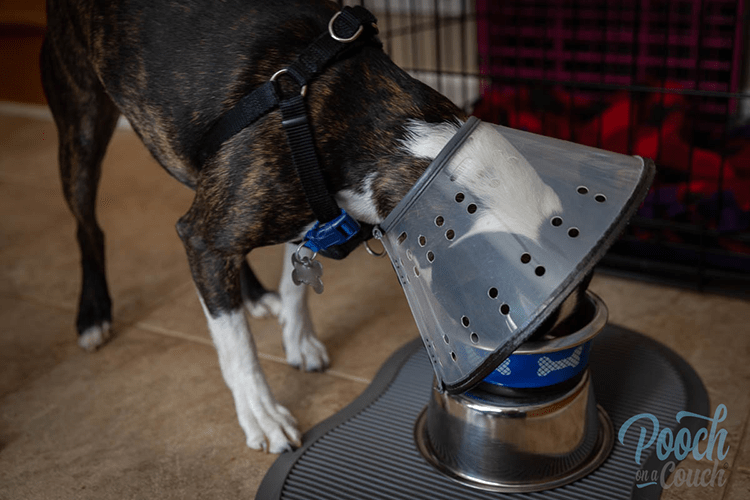
The best water bowl for dog with cone is wide, stable, and slightly elevated.
A cone can turn simple sipping into a clumsy chore. I help pet parents solve this every week, and I’ve tested fixes in my own home. In this guide, you will learn how to pick and set up a water bowl for dog with cone so your pup drinks enough, stays safe, and feels calm during recovery.

How a cone changes drinking and why bowl choice matters
A cone widens your dog’s head and blocks the rim of narrow bowls. It also limits how low your dog can drop the nose. That is why a regular dish can cause spills, stress, or even dehydration.
A well designed water bowl for dog with cone reduces bumping and splash. It gives nose clearance and keeps the base steady. Good setup turns a frustrating task into a quick, safe drink.
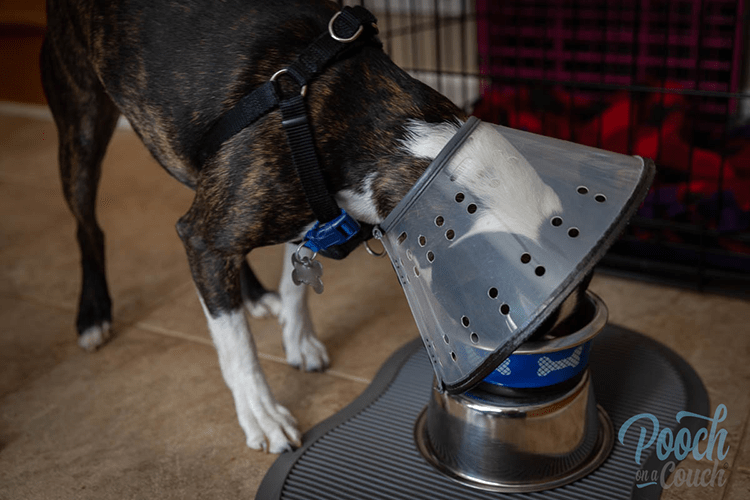
Key features to look for in a water bowl for dog with cone
Choose gear that sets your dog up to succeed. Look for these traits.
- Wide opening that is larger than the cone’s outer edge for easy access.
- Low rim or gently elevated lip that meets the cone angle without scraping.
- Weighted or non slip base so the bowl does not slide on contact.
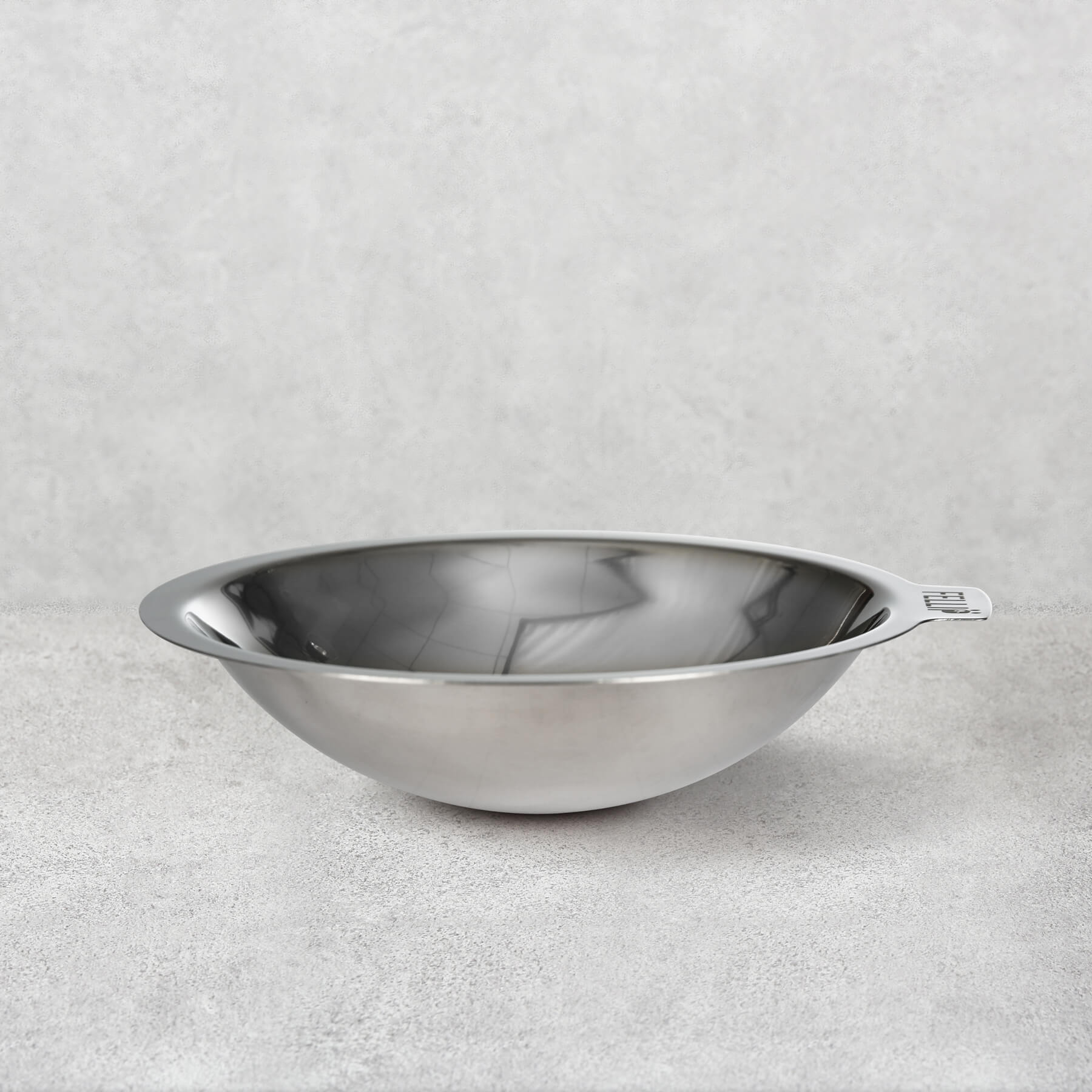
- Shallow, wide dish so the cone edge can rest without tipping the water.
- Food safe stainless steel or heavy ceramic to resist scratches and odors.
- Splash guard ring that curves inward to limit mess while keeping access.
- Height that meets your dog’s lower chest so the neck stays neutral.
- Easy to clean parts to prevent slime and keep water fresh.
A purpose built water bowl for dog with cone checks all of these boxes. If you cannot find one, you can still match most features with simple tweaks.

Setup tips for a water bowl for dog with cone
Where and how you place the bowl matters as much as the bowl itself.
- Put the bowl in an open corner so the cone can slide in without walls blocking.
- Elevate the bowl to elbow height for most medium and large dogs.
- Use a silicone mat to catch splashes and stop sliding.
- Offer two stations during recovery so your dog does not have to walk far.
- Keep pathways clear of chair legs and bags that can snag the cone.
Small changes turn any solid pick into a true water bowl for dog with cone. Your goal is simple paths, soft landings, and easy reach.

Train your dog to use a water bowl for dog with cone
Most dogs learn fast with gentle steps. Try this plan.
- Let your dog sniff and tap the cone on the empty bowl so the sound is not scary.
- Place a few drops of bone broth on the rim to make the edge a good place.
- Fill the bowl halfway with water and guide your dog in a straight line to it.
- Praise when the cone touches the rim without tipping the bowl.
- Increase water level and distance a little each session.
- Refresh water often so the smell stays clean and inviting.
Short sessions help your dog link the cone with success. This also builds trust in the new water bowl for dog with cone.

Real life tips and DIY hacks that work
I have helped many post surgery pups and seniors drink well with a cone. A few tricks save time and tears.
- Raise a bowl with a sturdy box and a towel wrap for grip.
- Place the bowl against a wall so the cone cannot push it forward.
- Use a clip on crate cup for rest time if your dog sleeps in a kennel.
- Float a few ice cubes on hot days to tempt nervous drinkers.
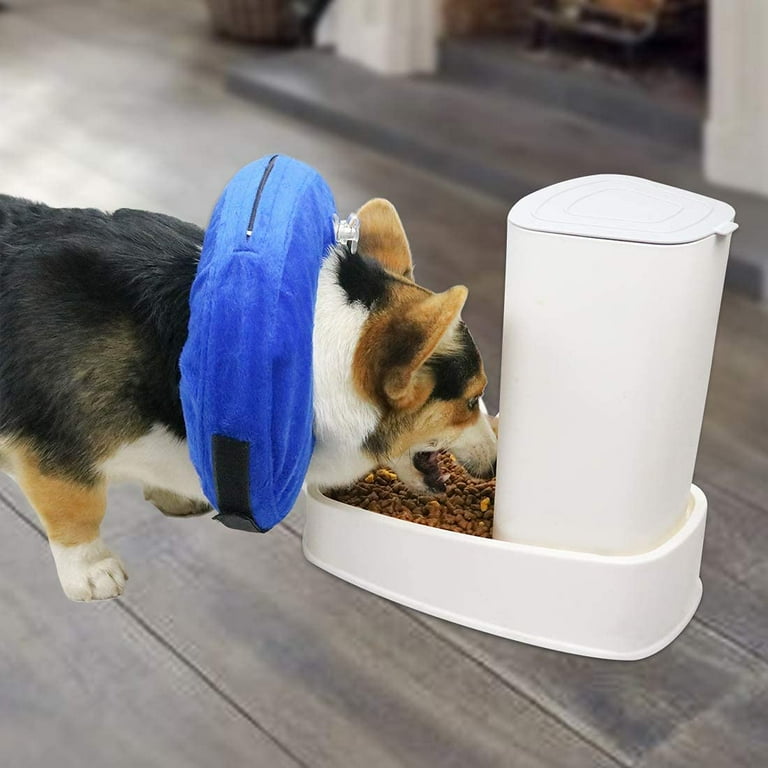
- Swap to a soft recovery collar at supervised times if the vet agrees.
If you cannot buy a fancy water bowl for dog with cone today, these hacks often bridge the gap. Safety first, then comfort.

Hydration facts and how to track intake
Most healthy dogs drink about 50 to 60 milliliters per kilogram per day. Heat, dry food, meds, and healing needs can raise that. Light yellow pee and steady energy are good signs.
Use a measuring cup to fill the bowl and note what is left at bedtime. Check gums for moisture and skin for quick snap back. If your dog drinks far less with a cone, upgrade your setup or call your vet.
A dialed in water bowl for dog with cone makes this tracking easy because spills are low and access is smooth.
Types of bowls compared for cone wearers
Different homes and dogs need different tools. Here are solid options.
Elevated wide bowl
Great for tall dogs and stiff necks. Wide top and sturdy legs reduce tipping.
No spill travel bowl
Low profile with an inward lip. Works for messy drinkers and car rest stops.
Weighted ceramic dish
Heavy base resists cone bumps. Choose one with a wide, shallow surface.
Corner wedge bowl
Fits snug in room corners. Helps guide the cone straight into the opening.
Fountain with wide basin
Encourages picky drinkers with flowing water. Pick a model with a broad, shallow dish.
Any of these can serve as a water bowl for dog with cone if sized and placed well. Test the cone clearance before the first full fill.
Common mistakes to avoid
Small errors can cause big messes or stress. Skip these pitfalls.
- Using a deep, narrow bowl that traps the cone rim and blocks the nose.
- Placing the bowl on slick floors without a mat or weight.
- Filling to the brim, which makes every nudge a flood.
- Ignoring height and forcing a long neck bend.
- Waiting for thirst cues instead of offering frequent chances.
Fixing these takes minutes and can turn a struggle into a smooth routine. A thoughtful water bowl for dog with cone prevents most of these issues.
When to adjust the plan or call the vet
If your dog drinks far less for more than a day, talk to your vet. Dark pee, dry gums, panting at rest, or lethargy are urgent signs. Pups, seniors, and brachycephalic breeds need faster help.
Ask about approved cone alternatives during supervised hours. Soft cones and inflatable collars can allow easier drinking while still protecting wounds. Even then, keep your water bowl for dog with cone setup ready for unsupervised time.
Frequently Asked Questions of water bowl for dog with cone
How high should I place the bowl?
Set the rim near elbow height so the neck stays level. This reduces strain and helps the cone clear the edge.
Can I switch to a fountain while my dog wears a cone?
Yes, if the basin is wide and shallow. Make sure the pump is quiet so the sound does not scare a nervous pup.
How often should I refresh the water?
Change it at least twice a day. More often if you see hair, drool, or food crumbs in the bowl.
What if my dog refuses to drink with the cone on?
Try a wider, sturdier bowl and add a splash of low sodium broth. Guide your dog to the bowl and praise small wins.
Is plastic safe for a water bowl for dog with cone?
Food grade plastic can work, but it scratches and holds odors. Stainless steel or heavy ceramic is easier to keep clean.
Do I need more than one bowl?
Two stations help during recovery, especially in larger homes. This lowers effort and keeps hydration steady.
Will ice water upset my dog’s stomach?
Cool water is fine for most dogs. Use a few cubes, not a full bowl of ice.
Conclusion
Your dog can drink well with a cone when the bowl is wide, stable, and set at the right height. Small choices in shape, weight, and placement protect hydration and lower stress. A smart water bowl for dog with cone makes healing days easier for you both.
Try one or two upgrades today and track your results. If you found this guide helpful, share it with a friend, subscribe for more pet care tips, or leave a question so I can help your pup thrive.