
A rugged 8-inch hand pump suction cup for safe, secure material handling.
If you work with glass, stone, or metal panels, you know the margin for error is small. I’ve used the wood's powr-grip vacuum cup 8 for installs, shop moves, and tight-site glazing. This guide breaks down how it works, why pros trust it, and how you can get the best results from your own wood's powr-grip vacuum cup 8—safely, efficiently, and with confidence.
What is the Wood’s Powr-Grip Vacuum Cup 8 and who is it for?
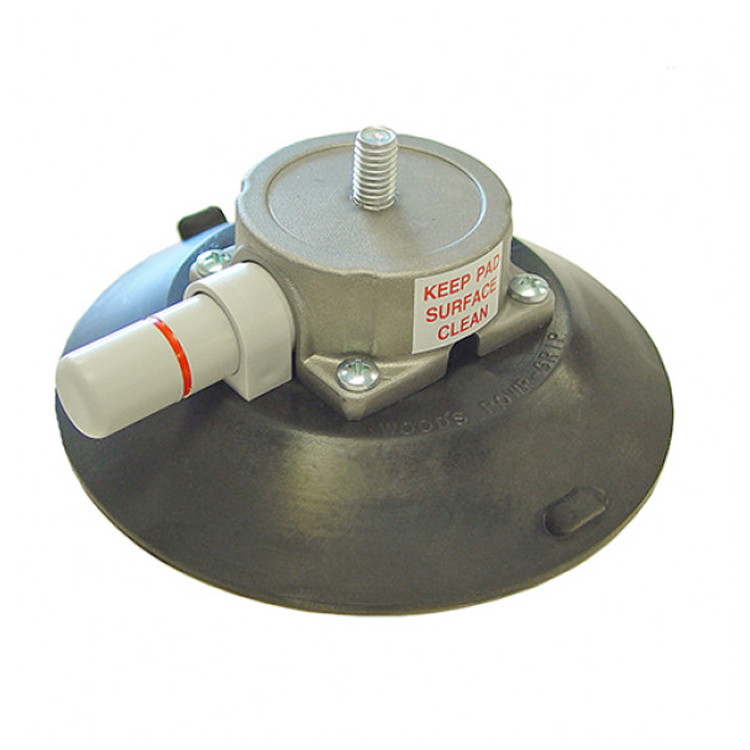
The wood's powr-grip vacuum cup 8 is a handheld suction cup with a manual pump. It creates strong vacuum pressure on smooth, flat, nonporous surfaces. Most pros use it for glass, mirror, stone, metal, plastic sheets, and sealed wood.
You’ll see this tool on jobsites, in shops, and in delivery trucks. It’s popular with glaziers, remodelers, movers, sign installers, and fabricators. If you need a solid grip and better control, the wood's powr-grip vacuum cup 8 is a smart pick.

Key features, specs, and what to expect
The wood's powr-grip vacuum cup 8 is known for reliability. Here are the essentials most buyers care about:
- 8-inch rubber pad for strong hold on smooth, clean surfaces
- Manual hand pump with a red-line indicator for vacuum status
- Quick-release valve to break suction on command
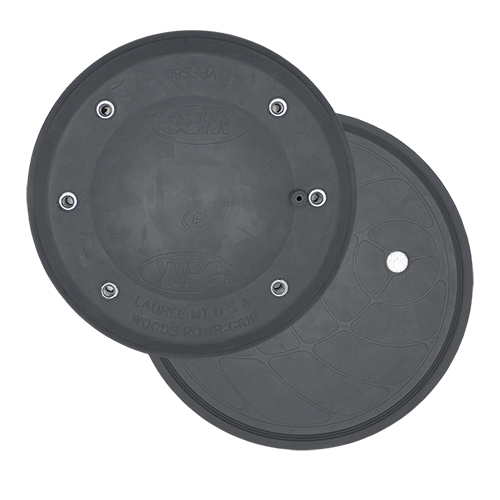
- Protective pad cover to keep the rubber face clean and safe
- Rugged handle with a balanced, comfortable grip
Typical working load limit is about 125 lb (57 kg) on flat, clean glass. Always check the label on your specific model and follow the rated capacity. Common operating temperatures range from about 10°F to 120°F. Avoid extreme cold or heat, which can affect the rubber.
From my experience, the red-line indicator is the star feature. It tells you if vacuum drops so you can re-pump fast. That little window has saved me from slips more than once. It’s one reason the wood's powr-grip vacuum cup 8 shows up on nearly every glass truck I’ve worked with.
How the hand pump works
Think of the pump like a tiny air compressor in reverse. Each push pulls air out from under the cup, forming a partial vacuum. The pressure difference creates a strong seal between the cup and the surface.
- The red-line indicator rises when vacuum drops.
- A few quick pumps restore full holding power.
- The release valve lets air back in, so you can remove the cup cleanly.
When you keep the face clean and the edge of the pad undamaged, the seal is rock solid. That’s where the wood's powr-grip vacuum cup 8 shines compared to generic cups.

Best uses and real-world scenarios
The wood's powr-grip vacuum cup 8 is a workhorse in many settings:
- Residential glazing and mirror installs
- Commercial storefront panel handling
- Shower door and partition alignment
- Fabrication of stone, quartz, or metal panels
- Moving appliances and sealed countertops
- Sign and panel installs on lifts or ladders
I’ve used the wood's powr-grip vacuum cup 8 to set a 3-by-6-foot tempered panel in a tight stairwell. Two cups per side gave perfect control. We checked the red lines every few minutes and re-pumped before the final set. Smooth, safe, and stress-free.
Step-by-step: How to use it safely
Follow this simple workflow to get dependable results from your wood's powr-grip vacuum cup 8:
- Inspect the cup. Look for cuts, nicks, or dirt on the rubber. Check the handle and pump.
- Clean both surfaces. Wipe the glass or panel and the cup face. Use a lint-free cloth.
- Place and press. Set the cup flat. Press lightly to seat the pad.
- Pump until the red line hides. The indicator should be out of view when fully engaged.
- Test the seal. Tug gently to confirm full hold before lifting.
- Monitor while working. If the red line appears, pause and re-pump.
- Release with care. Support the load, press the release valve, and lift the cup away.
- Store protected. Use the pad cover and keep it out of sun and grit.
Tip from the field: Assign one person to “watch the red” on large lifts. That small habit raises safety on every job.

Safety rules, maintenance, and inspection
Safety and care extend the life of your wood's powr-grip vacuum cup 8 and protect your crew:
- Keep it clean. Dust and oil break the seal. Clean with mild soap and water, not solvents.
- Inspect edges often. The lip of the pad does the sealing. Any cut can cause leaks.
- Respect the rating. Never exceed the labeled working load. Use more cups when in doubt.
- Mind the temperature. Very cold or hot surfaces reduce performance.
- Check the indicator. Re-pump when the red shows. Never ignore a warning sign.
- Replace worn parts. Pads and check valves are consumables. Swap them before they fail.
Industry guidelines point to routine pre-use inspections and records for lifting tools. Treat your wood's powr-grip vacuum cup 8 with the same respect you give rigging hardware.

Troubleshooting common issues
Even a trusted tool needs attention. Here’s how I handle the most common problems with the wood's powr-grip vacuum cup 8:
- Red line keeps returning fast. Clean the pad and surface. Check for edge damage. Replace the pad if needed.
- Won’t build vacuum. Inspect the pump and check valve for debris. Lightly clean and test again.
- Slow leak on textured glass. Use a smoother face if possible, or switch to a pad made for slight texture.
- Rubber looks glossy or cracked. UV or solvents may have damaged it. Replace the pad and store better.
A quick bench test helps. Pump the cup on a known clean, flat plate. If it still bleeds down fast, service the cup before the next job.

Comparing sizes, variants, and when to upgrade
The wood's powr-grip vacuum cup 8 hits a sweet spot for most tasks. But the best choice depends on your loads:
- 6-inch cups: Better in tight spaces, lower capacity.
- 8-inch cups: Great all-rounders for glass, mirror, and panels.
- 10-inch or larger: Higher capacities for bigger sheets.
- Metal handle vs. composite: Metal feels more rigid; composite is lighter and often warmer to hold.
- Flat vs. specialty pads: Flat pads for smooth glass; specialty pads for slightly textured or curved work.
If you’re setting bigger IGUs or heavy stone, pair several wood's powr-grip vacuum cup 8 units or move to a powered vacuum lifter. As loads grow, your margin for error shrinks. Build safety into the plan.

Buying guide: What to look for and budget tips
Here’s how I advise teams shopping for a wood's powr-grip vacuum cup 8:
- Confirm genuine branding. Look for the manufacturer mark, model label, and pad cover.
- Check the load rating and temperature range on the label.
- Inspect the red-line indicator and pump action in person if you can.
- Ask for spare pads and seals in the same order.
- Keep a storage case in the budget to protect your gear.
Price varies by handle type and pad style. For most crews, two to four units of the wood's powr-grip vacuum cup 8 cover daily needs. Add more when panels get larger or site access is tricky.
Field tips, mistakes to avoid, and lessons learned
After many installs with the wood's powr-grip vacuum cup 8, these habits stand out:
- Clean more than you think. Tiny grit causes big leaks.
- Pump, then pause. Give the seal a few seconds to settle, then re-pump.
- Use redundancy. One cup per 50–75 lb is a safer planning number in the field.
- Rotate cups on long carries. Brief re-pumps keep morale and safety high.
- Never rush the release. Support the load first, then break the seal slowly.
My biggest mistake years ago was trusting a single cup on a tall mirror in a narrow hall. We caught it, but it was close. Since then, I’ve made a rule: two cups minimum on anything taller than your chest. The wood's powr-grip vacuum cup 8 is strong, but good habits are stronger.
Frequently Asked Questions of wood's powr-grip vacuum cup 8
What surfaces work best with the 8-inch cup?
Smooth, clean, nonporous surfaces like glass, mirror, metal, sealed stone, and plastic sheets. Textured or porous materials reduce holding power.
How much weight can the wood's powr-grip vacuum cup 8 hold?
Many 8-inch models are rated around 125 lb on flat, clean glass. Always check the label on your specific cup and use enough cups for the load.
How often should I pump during a lift?
Watch the red-line. If it appears, stop and re-pump. On long carries or hot days, check every few minutes.
Can I use it on curved glass or textured panels?
Slight curves or light texture may work, but holding power drops. Use the correct specialty pad or a different tool for best safety.
How do I clean and store the cup?
Use mild soap and water on the pad and dry it fully. Cover the pad, keep it out of sun and heat, and store in a protective case.
Is the wood's powr-grip vacuum cup 8 good for outdoor use?
Yes, as long as surfaces are clean and within the temperature range. Wind, dust, and rain can affect the seal, so clean and re-check often.
When should I replace the rubber pad?
Replace it if you see cuts, glazing, cracking, or if it won’t hold vacuum after cleaning. Pads are consumables and affordable insurance.
Conclusion
The wood's powr-grip vacuum cup 8 is a small tool with big impact. It boosts control, protects your back, and adds safety to every lift. With clean surfaces, smart checks, and steady habits, it delivers pro results day after day.
If you handle glass or panels, add the wood's powr-grip vacuum cup 8 to your kit and set a routine for inspection and cleaning. Ready to level up your installs? Explore more how-to guides, subscribe for field tips, or share your questions so we can tackle them together.