A wood fired pizza oven door controls heat, airflow, fuel use, and cooking results.
If you love the crackle of a live flame and the taste of true Neapolitan crust, the wood fired pizza oven door is your secret lever. I’ve cooked on backyard domes and commercial ovens for years, and the right door changes everything. In this guide, I’ll break down how a wood fired pizza oven door works, what to buy or build, and how to use it for perfect pizza, roasts, and bread. Read on for tips, specs, and real-world wins and mistakes.

What a wood fired pizza oven door actually does
A wood fired pizza oven door is more than a cover. It is a control tool. It shapes heat, holds steam, and manages smoke. It also keeps you safe.
Here is what the door controls:
- Heat retention. Less heat loss means faster preheat and longer heat hold.
- Airflow and burn rate. Crack it open to feed oxygen. Close it to slow the fire.
- Cooking speed and style. Open for fast pizza. Partially closed for roasts. Closed for bread.
- Smoke direction. A tight fit reduces smoke spill and soot.
- Safety. It creates a barrier from sparks, embers, and little hands.
In practice, I treat the wood fired pizza oven door like a dimmer switch. A small gap changes the flame, the dome glow, and the floor temp within minutes.
Types of wood fired pizza oven doors
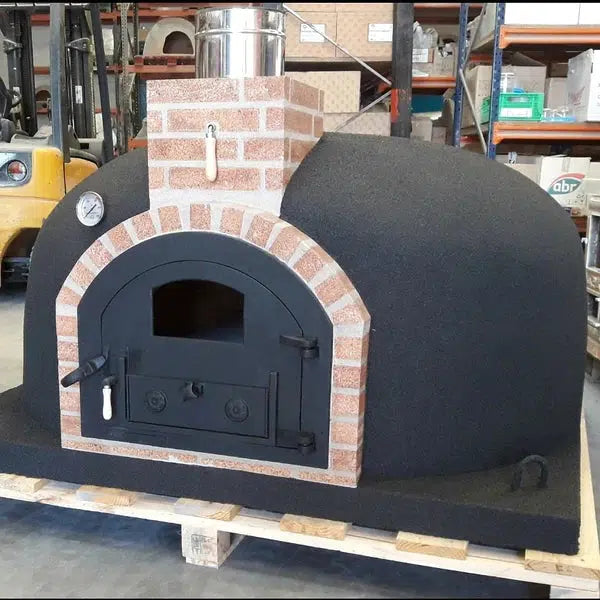
Different doors serve different jobs. Many cooks use two: a light, fast-access door for pizza service and a heavy, insulated door for heat holding.
Common types:
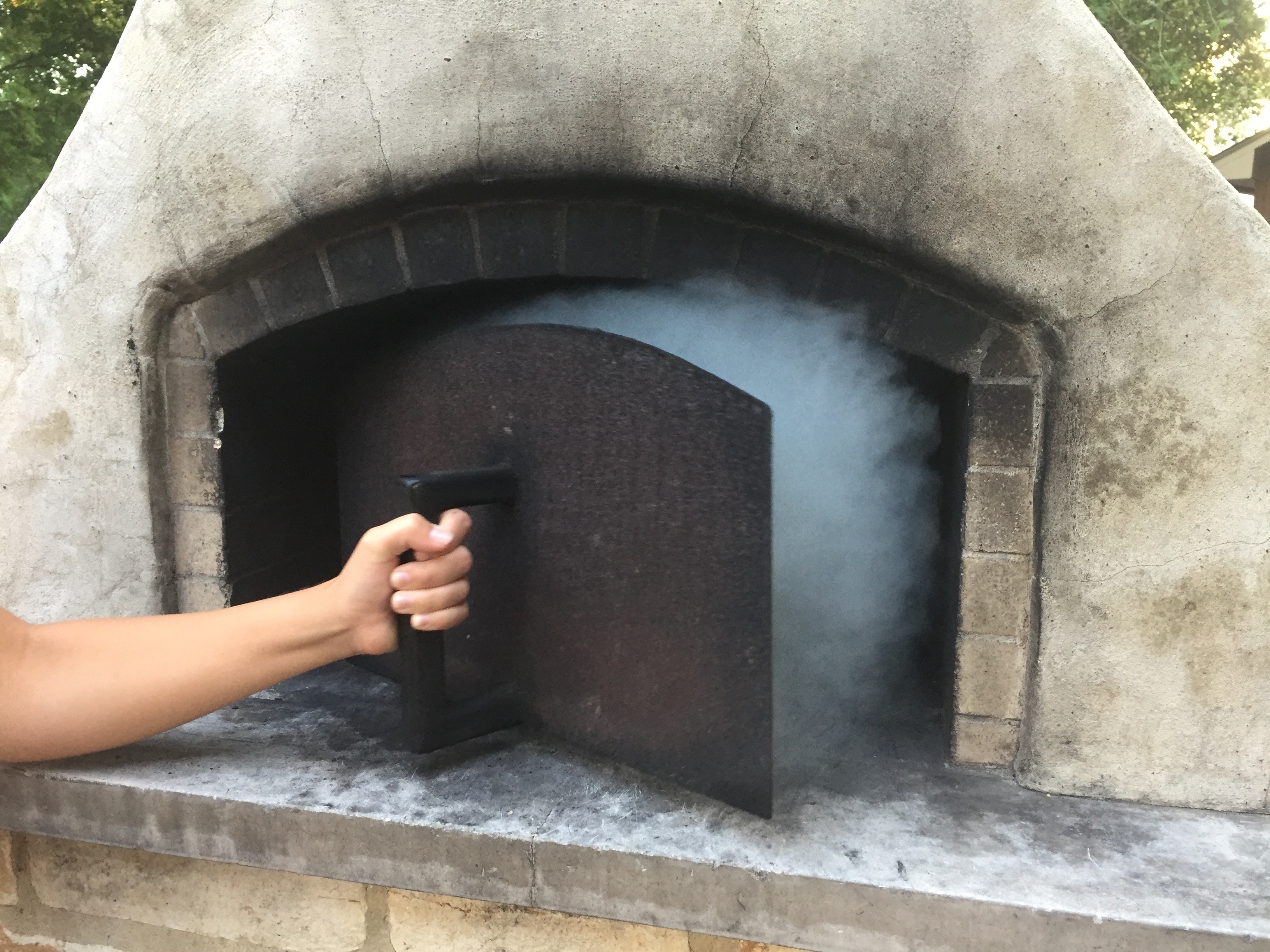
- Removable flat door. Simple, quick to move, easy to store.
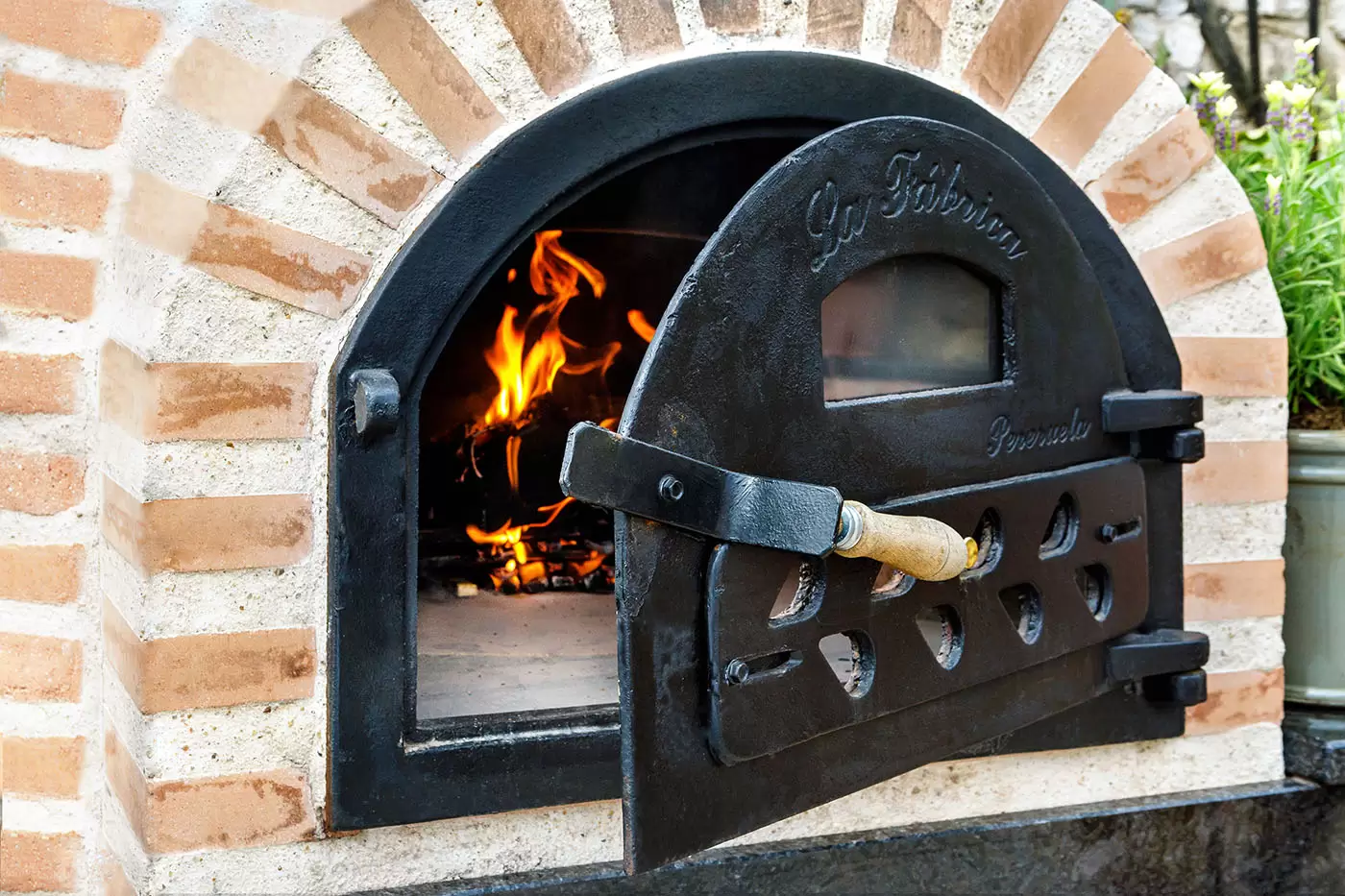
- Hinged door. Stable and safe, great for built-in ovens and heavy doors.
- Insulated sandwich door. Two metal skins with ceramic fiber inside for heat hold.
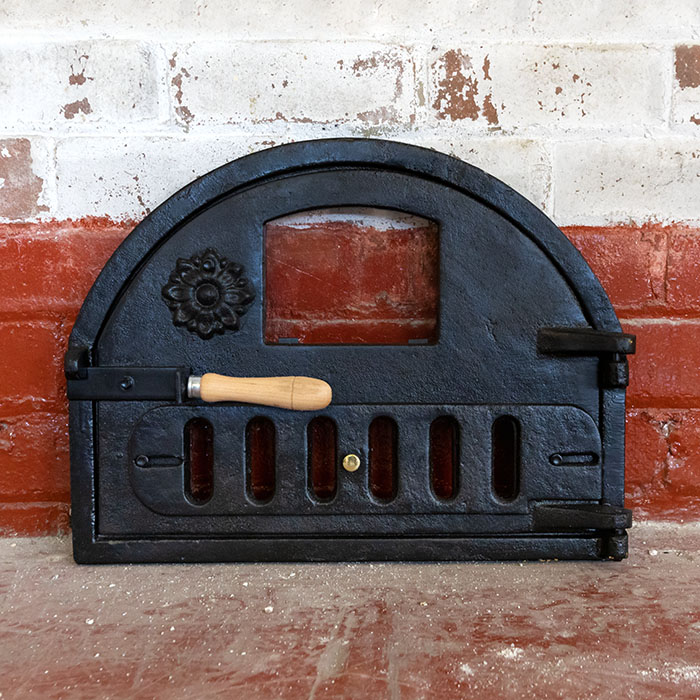
- Solid steel or cast iron door. Very durable, good mass, can be heavy.
- Door with viewing glass. Lets you monitor roasting without opening.
- Vented door. Has a slider or holes to adjust airflow with the door closed.
Choose based on your oven style and how you cook. If you roast and bake bread often, an insulated or vented wood fired pizza oven door is worth it.
Materials and construction that last
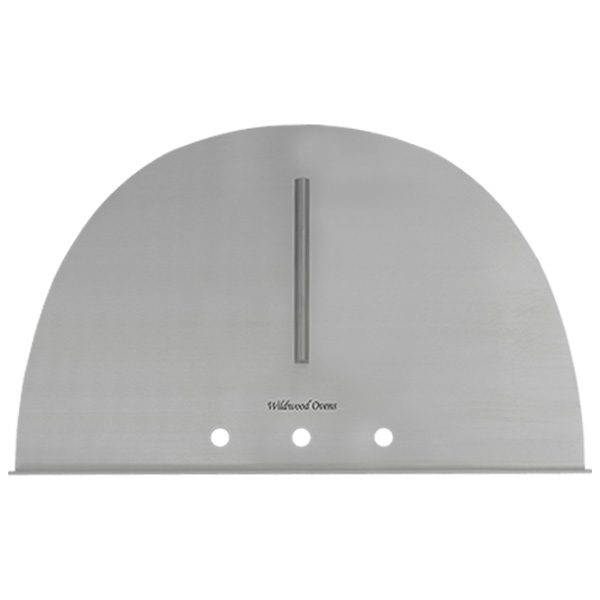
A good wood fired pizza oven door lives in extreme heat. Materials matter.
Best choices:
- Stainless steel. 304 resists rust near the coast. 430 is more budget friendly. Aim for 12–14 gauge skins.
- Mild steel. Strong and easy to weld. Needs seasoning or high-temp paint.
- Cast iron. Great mass and heat hold. Needs seasoning and more care.
- Ceramic glass panel. True high-temp glass (ceramic glass) can handle around 1200–1400°F. Regular glass will fail.
- Insulation. Ceramic fiber board or blanket rated 2300°F is common. One inch inside the door makes a big difference.
- Hardware. Use stainless bolts, rivets, and a cool-touch handle made from wood or silicone.
- Gaskets. Ceramic fiber rope or flat tape improves seal and reduces smoke leaks.
My current wood fired pizza oven door is a 3/16 inch stainless face with one inch ceramic fiber inside. It dropped my fuel use by about 20 percent on roast nights.
Sizing, fit, and sealing your wood fired pizza oven door
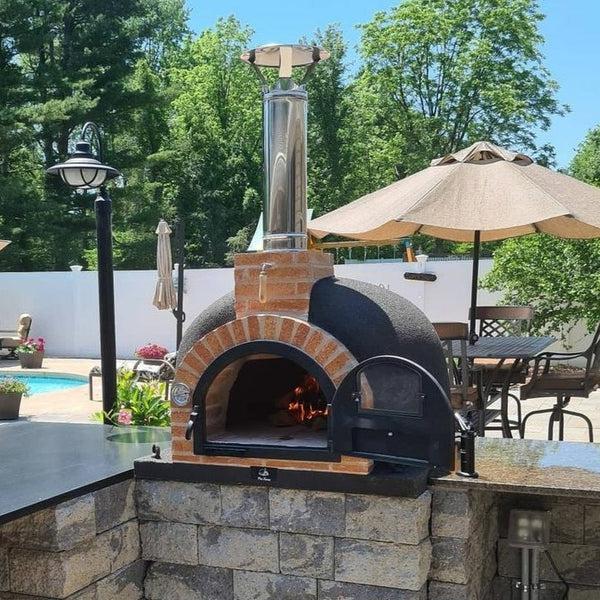
Fit is half the battle. A sloppy door leaks heat and smoke.
Key points:
- Measure the opening. Width at the base, width at 50 percent height, and full height. Arched mouths need a cardboard template.
- Aim for a snug but not tight fit. Leave 1–2 mm clearance to avoid scraping masonry.
- Maintain the ratio. A classic rule of thumb places door height at about 63 percent of dome height. This helps draft and heat balance.
- Seal smart. Use ceramic rope or flat gasket on the door edge. Avoid silicone that is not rated for high heat.
- Plan for movement. Metal expands. Hinges and latches should allow for small shifts when hot.
A well-fitted wood fired pizza oven door reduces smoke at start-up and keeps the floor hot for longer bakes.

Thermodynamics and cooking technique with the door
Think of the wood fired pizza oven door as a valve. It tunes oxygen and stores heat like a thermos.
Typical uses:
- Pizza service. Door off or open wide. Keep a bright flame rolling. Floor around 750–900°F.
- Roasting meat and veggies. Fire to temp, rake coals to side, door cracked 0.5–1 inch. Cook at 500–650°F.
- Bread baking. Saturate the dome, mop the floor, load bread, then door closed. Aim for 450–500°F and steam from the loaf.
- Low and slow. Small ember bed, vented door mostly closed. Hold 275–325°F for hours.
My routine for chicken: I run a clean flame for 45 minutes, then set the wood fired pizza oven door with a one-inch gap. Skin crisps. Smoke stays sweet. The bird finishes juicy in about 35–45 minutes.
Safety essentials every owner should know
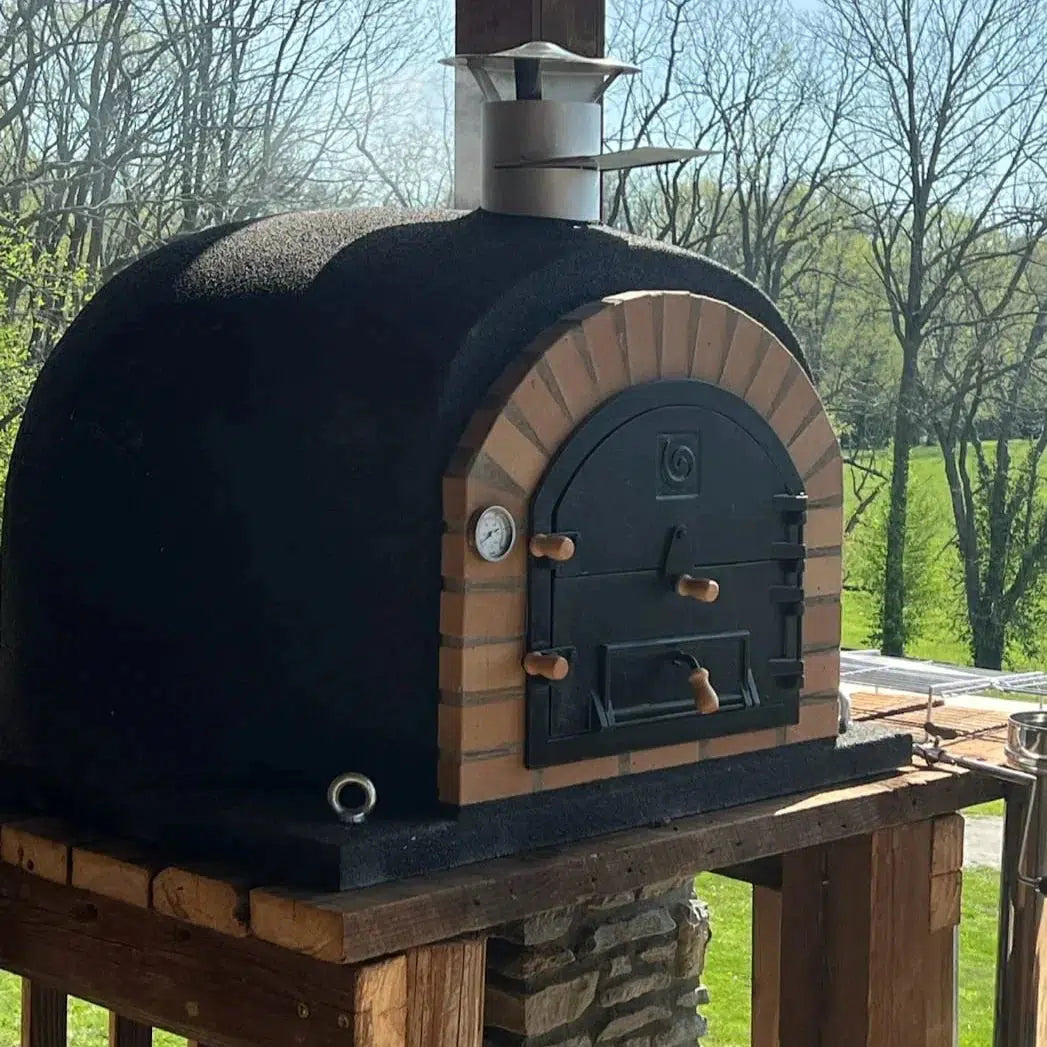
Heat and fire demand respect. A wood fired pizza oven door helps, but only when used right.
Safety tips:
- Wear heat-resistant gloves. Handles can still get hot.
- Vent first. Never seal a smoking, fresh fire. Let it draft to avoid back-puffing.
- Watch for carbon monoxide. Keep the area well ventilated.
- Mind pets and kids. A closed door looks safe but is still very hot.
- Store the door on a stand. Hot metal on wood decks is a risk.
- Prevent warping. Do not shock a hot door with water.
These basics make your cooking smoother and your nights stress free.
Maintenance and troubleshooting
A clean, straight wood fired pizza oven door seals better and lasts longer.
Simple care:
- Wipe soot with a damp cloth after the oven cools. Use a plastic scraper if needed.
- For mild steel or cast iron, season with a light coat of flaxseed or canola oil, then heat to set.
- Fix rust early. Sand, treat, and repaint with high-temp coating rated 1200°F or higher.
- Replace gaskets when they fray or compress flat.
- If the door warps, clamp and straighten while warm, or add cross-bracing ribs.
If smoke leaks past the door, check the seal, clear ash from the threshold, and confirm the chimney is drawing.
DIY or install: building a wood fired pizza oven door
You can build a solid wood fired pizza oven door with basic tools.
What you need:
- Template made from cardboard to match the arch.
- Two metal skins cut to size. Stainless or mild steel works.
- One inch ceramic fiber board or blanket inside.
- Welded or riveted edges. No gaps for fibers to escape.
- Handle standoffs and a wood or silicone grip.
- Optional glass window using true ceramic glass with a seal.
- For hinges, use a heavy-duty pin or barrel hinge set into the arch.
Steps:
- Trace the opening and cut a metal face.
- Add insulation and a back panel.
- Attach handle and latch.
- Test fit cold, then hot. Adjust as needed.
If welding is not your skill, a riveted build works well. Or buy a pre-made door and fine-tune the gasket for your oven.
Upgrades and accessories that help
Small add-ons make a big difference in control and comfort.
Useful upgrades:
- Vented slider or rotary damper for airflow control.
- Built-in thermometer or a thermocouple port.
- Viewing window with real ceramic glass.
- Door stand or wall hook for safe storage.
- Heat shield behind the handle for cooler hands.
- High-temp paint or polish for easy cleaning.
These upgrades turn a basic wood fired pizza oven door into a precise tool.
Buying guide and price ranges
There is a door for every budget. Focus on fit, heat performance, and safety.
What to look for:
- Size match to your mouth opening and arch profile.
- Insulation thickness and gasket quality.
- Solid handles and hardware.
- Optional venting and thermometer ports.
- Warranty and lead times.
Typical prices in the US:
- Budget steel flat doors. About $60–$150.
- Insulated stainless doors. About $150–$400.
- Premium hinged or custom doors with glass. About $400–$900+.
Measure twice, pick a trusted maker, and ask for the exact opening size they build to. A snug wood fired pizza oven door pays off every time you cook.
Common mistakes to avoid
Even advanced cooks slip up. These are easy to prevent.
Avoid:
- Closing a smoky fire too soon. It can backdraft and coat the dome in soot.
- Using standard glass. It will crack. Use ceramic glass only.
- Skipping insulation. Thin doors bleed heat fast.
- Painting with low-temp paint. It peels and smells.
- Ignoring warping. A bent door leaks heat and smoke.
Learn from these and your wood fired pizza oven door will work like a pro tool.
Real-world workflows you can copy
Steal these setups to get consistent results fast.
Three simple workflows:
- Pizza night. Dome to white-hot, floor 800–850°F, door off. Keep a small log feeding the flame. Rotate pies every 20–30 seconds.
- Roast feast. Floor 600°F, coals to the side, door cracked one inch. Add a vented pan for veggies. Check browning through a glass window if you have one.
- Bread day. Fire hard to heat soak, clear coals, mop, load loaves, door closed. Peek after 15 minutes only if needed.
These patterns work in small backyard domes and larger commercial builds. The wood fired pizza oven door is the lever that keeps temps steady across all three.
Frequently Asked Questions of wood fired pizza oven door
Should I cook pizza with the door on or off?
Most pizza cooks with the door off to keep a strong flame and fast bake. Use the door only between pies to hold heat or tame wind.
What gasket should I use on my door?
Ceramic fiber rope or flat tape rated to 2000°F or more is best. It seals well and handles daily heat cycles.
Why is smoke leaking around my wood fired pizza oven door?
The fit may be loose or the gasket worn. Check for ash on the sill and confirm your chimney is clear and drafting.
Can I add a glass window to my door?
Yes, but only use true ceramic glass rated for high heat. Regular tempered glass will fail and can be dangerous.
How thick should an insulated door be?
A common build uses 12–14 gauge skins with about one inch of ceramic fiber inside. Thicker insulation increases heat hold for bread and roasts.
Will stainless steel discolor with heat?
Yes, light straw or blue tints are normal near high heat. It does not affect performance and can be polished if you prefer.
Conclusion
A well-designed wood fired pizza oven door turns a hot box into a precise cooking tool. It helps you hold heat, guide airflow, and switch from blistered pizza to gentle bread with ease. Choose the right materials, get the fit right, and use small door adjustments to dial in perfect results.
Take one step this week. Measure your opening, set a budget, and decide whether you will buy or build. If you found this helpful, subscribe for more wood-fired tips or drop a comment with your oven size and cooking goals.