No fish truly thrive in a tiny, unfiltered bowl; most need a proper tank.
If you came here wondering what fish can live in a bowl, you’re not alone. I’ve kept nano fish for years, tested bowl setups, and learned the hard way. This guide gives clear answers, real options, and simple steps so you can make a kind choice. Read on to see exactly what fish can live in a bowl, what to avoid, and what works better in real life.

The hard truth about fish bowls
A classic fish bowl looks cute. But it harms most fish. The shape has low surface area. That lowers oxygen. Waste builds fast. Ammonia spikes. Water swings hot and cold. Bowls also distort views and stress fish.
So what fish can live in a bowl? In the strict sense, none will live well in a small, unfiltered, unheated bowl. Some survive for a while. That is not the same as a good life. Animal care groups and lab data agree on this point.
I learned this years ago. My first betta lived in a bowl. He was dull and still. I added a heater and sponge filter in a 5-gallon tank. He flared, swam, and built bubble nests. The change was night and day.
If your goal is kind care, think bigger. Or use a bowl only with the right gear and the right species choice.

Bowl minimum standards if you insist on one
If you must use a bowl, make it as safe as you can. What fish can live in a bowl depends on meeting these basics.
- Size: Choose 3 to 5 gallons at minimum; more water means more stability.
- Filtration: Use a small sponge filter; it adds oxygen and grows good bacteria.
- Heat: Tropical fish need 76 to 80°F; use a preset nano heater.
- Cycle: Seed the bowl with bacteria; test for ammonia, nitrite, and nitrate.
- Plants: Add fast growers like hornwort, anubias, or pothos roots to soak up waste.
- Light and lid: Use gentle light and a lid to prevent jumps and reduce dust.
- Water changes: Do 30 to 50 percent twice a week; match temp and dechlorinate.
- Food: Feed tiny amounts; remove leftovers to avoid rot and spikes.
- Test kit: Use liquid tests weekly; adjust care fast when numbers swing.
With these steps, you move from fragile to fair. It still is not ideal. But it is safer.

Species-by-species: what fish can live in a bowl?
Let’s review common picks. Here is what fish can live in a bowl, and what cannot, based on real care needs.
Betta fish
A betta is the top choice people ask about when they ask what fish can live in a bowl. Bettas breathe air with a labyrnth organ. That helps in low oxygen. But they still need heat, clean water, and room. A single male betta needs 5 gallons with a heater and filter. A large, filtered bowl of 5 gallons can work in a pinch. Smaller bowls cause stress, torn fins, and disease.
Goldfish
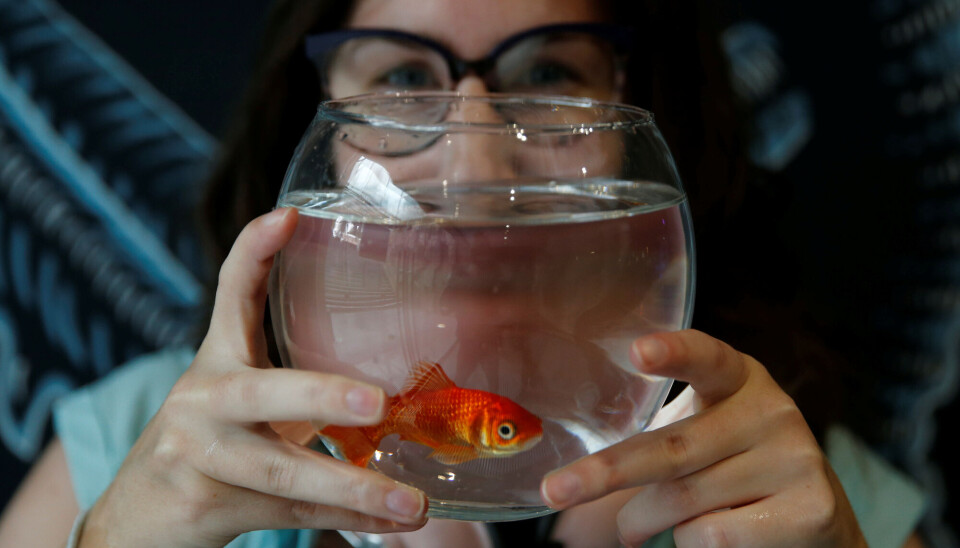
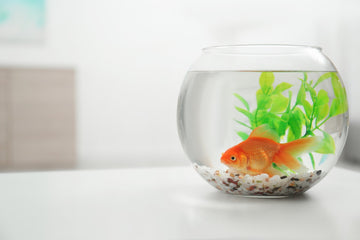
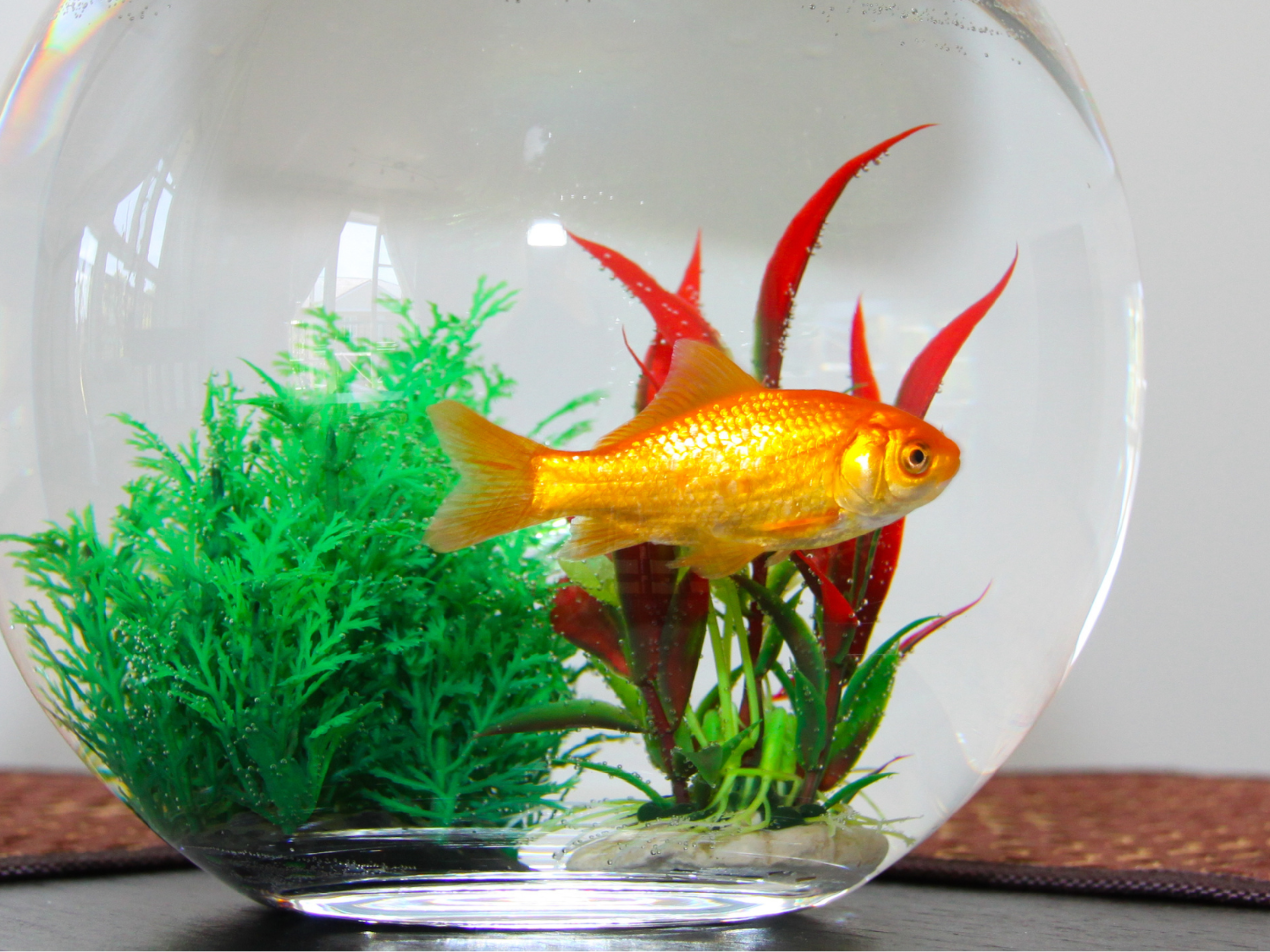
Goldfish are not bowl fish. They grow large and make lots of waste. Fancy goldfish need 20 to 30 gallons. Commons need even more and prefer ponds. When you ask what fish can live in a bowl, goldfish are the classic myth. Skip them for bowls.
White cloud mountain minnows
They are hardy and cool water. But they are a schooling fish. They need groups of six or more and at least 10 gallons. They do not fit a bowl.
Guppies and Endlers
They breed fast and need a group. They enjoy flow and space. A 10-gallon tank suits them. A bowl is too small.
Least killifish (Heterandria formosa)
If I had to pick what fish can live in a bowl with strict rules, this tiny species is the rare “maybe.” A single or a pair in 3 to 5 gallons with a sponge filter, dense plants, and soft flow can work. Even then, a rectangular 5-gallon tank is better.
Chili rasboras, ember tetras, pea puffers
Cute, but no. These nano fish need stable heat, groups, and room. A bowl struggles to hold a group steady.
Paradise fish
They breathe air and handle cooler rooms. But they are active and need 20 gallons. A bowl is too tight.
So, what fish can live in a bowl with care? A single male betta in a large, filtered, heated 5-gallon “bowl-style” tank is the best fish option. The runner-up is a single least killifish in a large, filtered bowl with many plants. Everything else is a no for bowls.
What fish can live in a bowl long term? Very few. What fish can live in a bowl without a filter? None that thrive. What fish can live in a bowl and still show color and normal behavior? Only those with proper heat, plants, and top water quality.
Better bowl ideas that actually work
If your heart is set on a bowl, try life that can handle it. This is where the answer to what fish can live in a bowl turns into what pets can live in a bowl.
- Neocaridina shrimp: They are small, fun, and clean. Keep 6 to 10 in 3 to 5 gallons with a sponge filter and moss.
- Nerite or ramshorn snails: Great algae helpers. One or two per 3 to 5 gallons. Do not overfeed.
- Heavily planted bowl: Build a mini jungle with a few shrimp. It looks great and stays stable.
These setups are calm and low waste. They fit the bowl shape much better than fish.
:strip_icc()/Betta_Bowl_Valerie_Yermal-56a330203df78cf7727c4d0e.jpg)
A smart upgrade: from bowl to nano tank on a budget
I often get asked what fish can live in a bowl because people fear cost. A simple nano tank can cost less than a dinner out.
- Get a 5-gallon glass tank kit with lid and light.
- Add a small sponge filter and a preset 50W heater.
- Use sand, a few rocks, and hardy plants like anubias and java fern.
- Seed bacteria, wait a week, then add your fish.
This helps you keep a betta, endlers, or a nano school the right way. You get clear water, bright color, and real fun.
Bowl care checklist and weekly routine
What fish can live in a bowl depends on stable care. Keep it simple and steady.
Daily
- Feed a tiny pinch once. Remove leftovers after 2 minutes.
- Check temp and fish behavior. Look for clamped fins or gasping.
Twice per week
- Change 30 to 50 percent of the water. Match temp. Use dechlorinator.
Weekly
- Test ammonia, nitrite, and nitrate. Aim for 0, 0, and under 20 ppm.
- Gently squeeze the sponge filter in old tank water if flow drops.
Monthly
- Trim plants. Vacuum light debris. Wipe the glass.
If numbers look off, change more water and feed less. Small steps fix most issues fast.
Common myths and mistakes
When people search what fish can live in a bowl, these myths pop up. Avoid them.
- Myth: Bettas like small bowls because they live in puddles. Truth: Wild bettas live in large, warm, plant-rich waters.
- Myth: Plants replace a filter. Truth: Plants help. They do not remove all waste or keep oxygen high.
- Myth: Cold water is fine for bettas. Truth: Bettas are tropical. Cool water slows their immune system.
- Mistake: Washing the filter under tap water. Fix: Rinse in old tank water to protect bacteria.
- Mistake: Skipping tests. Fix: Use a simple liquid kit. It saves fish lives.
Source: welcometogouda.com
Frequently Asked Questions of what fish can live in a bowl
Can a betta live in a bowl without a filter?
It can survive, but not thrive. Use a small sponge filter and a heater for health and color.
Are goldfish okay in a bowl?
No. Goldfish grow large and make heavy waste. They need a big, filtered tank or a pond.
What is the smallest fish that can live in a bowl?
A least killifish is tiny, but it still needs 3 to 5 gallons, plants, and a sponge filter. A tank is better.
How often should I change bowl water?
Do 30 to 50 percent twice a week. Test water weekly and adjust if waste rises.
Can shrimp and snails live in a bowl?
Yes, with a filter, plants, and stable water. They are better bowl pets than fish.
What temperature should a betta bowl be?
Keep it between 76 and 80°F with a small heater. Stable heat prevents stress.
Do live plants make bowls safer?
They help a lot by using waste and adding oxygen. Still use a filter and do water changes.
Conclusion
What fish can live in a bowl is a fair question with a kind answer. Most fish cannot live well in a small, bare bowl. A large, filtered, heated 5-gallon “bowl-style” setup can hold a single betta or, with care, a least killifish. Even then, a small rectangular tank is best. If you love the bowl look, try shrimp or a planted scape.
Choose the setup that lets your pet thrive, not just survive. Ready to dive deeper? Explore more guides, subscribe for weekly tips, or drop your questions in the comments.