Wagner Ware cast iron skillets are prized vintage pans with smooth, lightweight performance.
If you love gear that cooks like a dream and lasts for generations, keep reading. I have restored, tested, and cooked on many of these classics. This guide shares clear, proven advice on everything a wagner ware cast iron skillet buyer, owner, or collector needs to know, from history and IDs to care, value, and real-world cooking tips.

What Is a Wagner Ware Cast Iron Skillet?
A wagner ware cast iron skillet is a vintage pan made in the United States, mainly in Sidney, Ohio. It is known for a smooth, machined surface and a lighter build than many modern pans. These skillets heat well, brown food deeply, and release eggs with ease when seasoned right.
Wagner Manufacturing Co. made iron and aluminum cookware from the late 19th century into the late 20th century. The “Wagner Ware” logo came later, and you will see several mark styles across the years. Many cooks and collectors prefer the balance, finish, and look of these pans.
If you want a pan that can sear steak, bake cornbread, and slide a fried egg, this is it. With a little care, a wagner ware cast iron skillet becomes a lifetime tool.
A Short History and Timeline
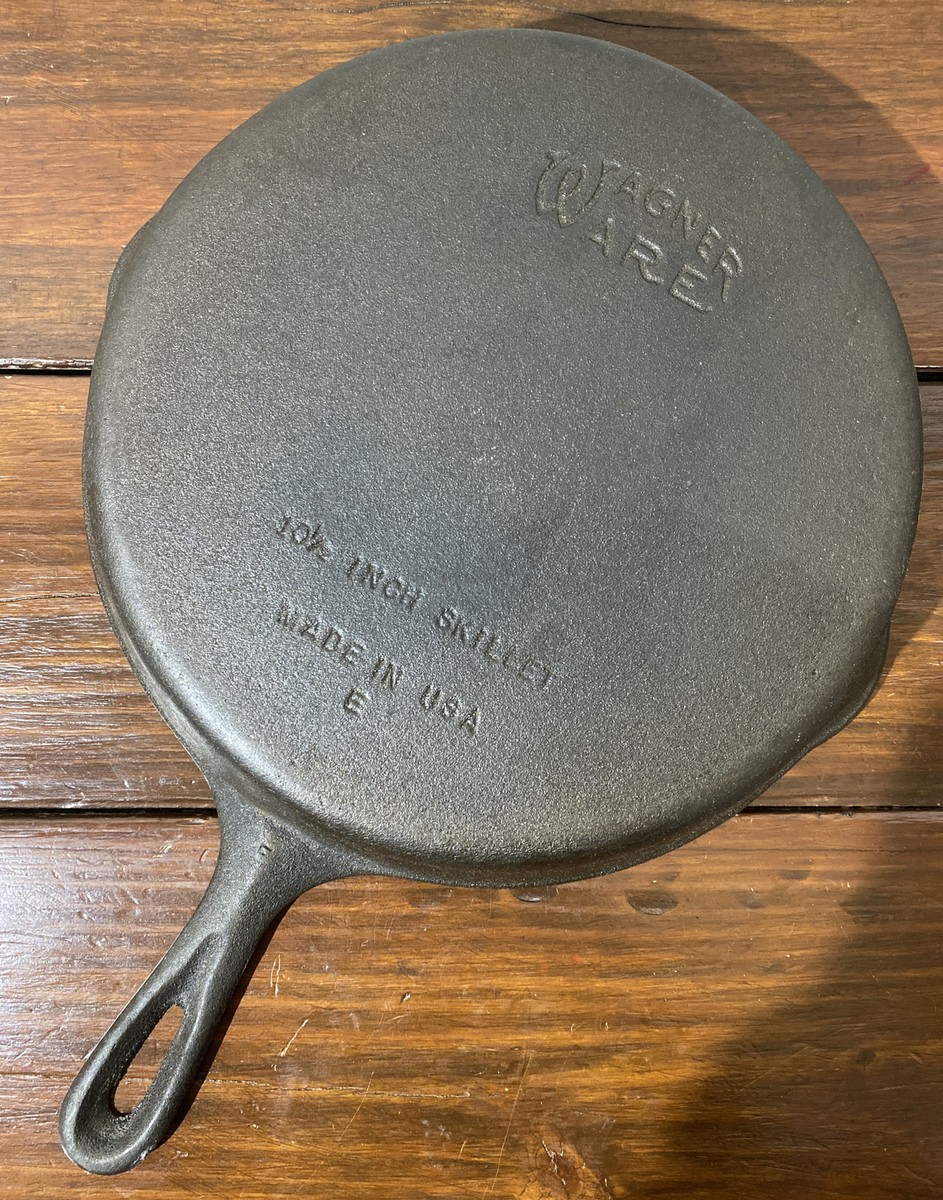
Wagner began in 1891 in Sidney, Ohio. Early pieces often read “WAGNER” or “SIDNEY O.” The famous “Wagner Ware” logo appeared in the early 1920s and stayed for decades. Those years gave us many of the beloved skillets people seek today.
Ownership changed in the mid-1900s. Production methods also shifted. Pieces from the early and mid-century tend to have a very smooth cooking surface from factory machining. Later runs, like the “1891 Original” series in the 1990s, have rougher sand-cast texture. Most collectors favor earlier smooth pans.
Records, catalogs, and ads from the period support this timeline. That said, patterns and markings can overlap during transitions. Always judge each pan on several traits, not one mark.

Why Collectors and Cooks Love It
The draw is simple. Performance meets charm. A wagner ware cast iron skillet feels lively in hand yet holds heat well. The cooking face is smooth. Food releases with less oil once seasoned.
You also get classic design. Many pans have a heat ring on the base, wide pour spouts, and a graceful handle. They work on gas, electric, and many induction tops if the base is flat.
For collectors, the logo styles, sizes, and rare runs keep the hunt fun. For cooks, these pans earn daily use. Mine sits on the stove more than any other pan I own.
How to Identify an Authentic Wagner Ware Cast Iron Skillet
You can spot a real piece with a few checks. Use several points before you buy.
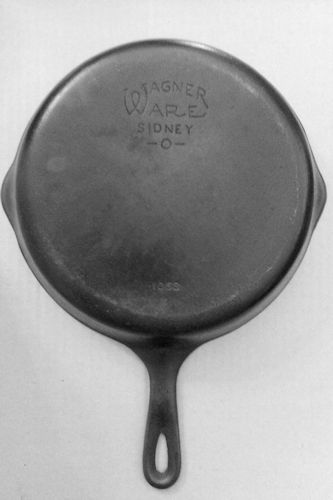
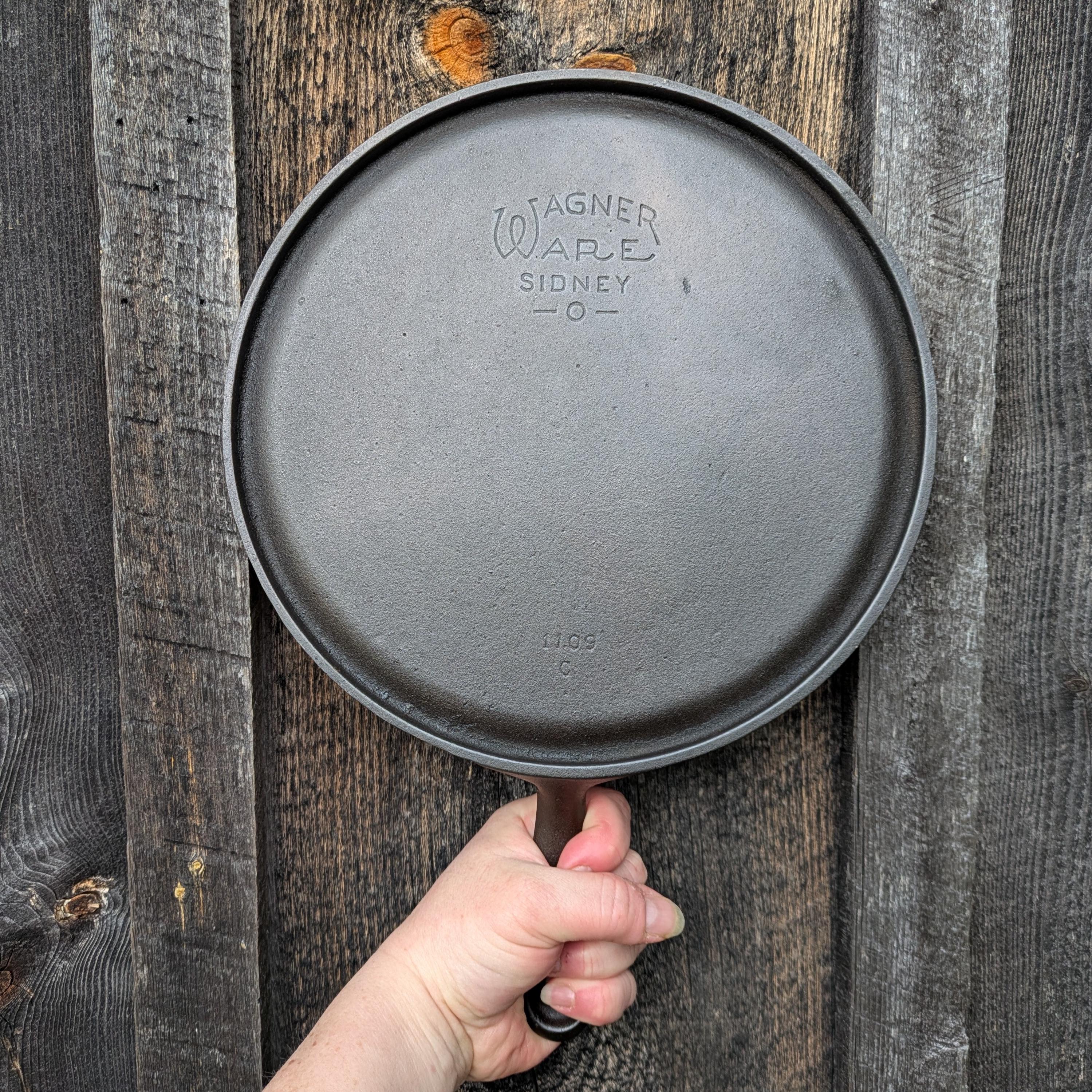
- Look for the logo. Common marks include “Wagner Ware” in script with “Sidney -O-,” or earlier “WAGNER” and “SIDNEY O.” Later pieces may add “Made in USA.”
- Check the surface. Many older pans have a smooth, machined cooking face with faint circular lines.
- Study the handle. Classic Wagner handles are tapered with a simple teardrop or oval eye.
- Note the weight and shape. Most have thin walls and pour spouts on both sides.
- Find the size number. You will see a single number, like 8 or 10. Pattern numbers may sit under the handle or on the base.
- Inspect the base. Early pieces often have a heat ring. Later ones may have a flat bottom.
- Watch for sand casting seams, sloppy fonts, or odd spacing. Those can hint at reproductions or recasts.
If unsure, compare to known examples in collector guides and archival photos. A wagner ware cast iron skillet should look crisp, balanced, and well-finished.

Sizes, Variants, and Features
Wagner made many sizes, often from 3 to 14. The size number relates to the stove-eye era, not inches. A size 8 is the most common and very useful. Sizes 10 and 12 are great for families and big steaks.
Expect features like a heat ring on many early pans. Later pieces often have a smooth, flat base. Pour spouts are wide and neat. Some pans were nickel plated. Some have different logos across decades. Pattern or catalog numbers may appear, and they can vary by era and mold.
The wagner ware cast iron skillet line also includes griddles, chicken fryers, and deep skillets. Each cooks a bit different. Pick based on your stove and the meals you love.
Buying Guide: Pricing, Rarity, and Red Flags
Prices vary with size, age, logo, condition, and finish. A clean size 8 wagner ware cast iron skillet with no pitting often sells in the moderate range. Scarce sizes, early logos, or plated pieces can cost more.
Here is what I look for when pricing and judging value:
- Flatness. Spin the base on a smooth counter. Small wobble is common with heat-ring pans. Severe spin lowers value.
- Condition. Avoid deep pitting and edge cracks. Light seasoning wear is fine.
- Machining. A smooth cooking face is a big plus for daily use.
- Logo and era. Early marks and certain stamp styles can raise price.
- Provenance. Estate finds and well-kept pans often need less work.
Red flags include heavy rust with deep pits, cracked handles, and ground-down bases. Watch for fake stamps or recast pans with mushy lettering. When in doubt, pass.

How to Restore a Vintage Wagner Ware Cast Iron Skillet
I have brought many rusty pans back to life. It is simple if you go step by step. Take your time, and wear gloves and eye protection.
- Assess the pan. Check for cracks by tapping lightly and listening for a clear ring.
- Strip old seasoning. Use a lye bath, an electrolysis tank, or a self-clean cycle. Lye removes organic layers. Electrolysis removes rust and seasoning both. Do this in a safe space.
- Remove rust. After stripping, scrub with stainless or chain mail and hot water. For tight spots, use a mild acid soak with care, then neutralize and rinse well.
- Dry at once. Place the pan on low heat to steam off water.
- Season thin. Wipe a whisper-thin coat of oil. Canola, grapeseed, or flax can work. Buff until it looks almost dry.
- Bake at 450–500°F for one hour. Cool in the oven. Repeat two to three times.
- Cook fatty food next. Fry bacon or sauté oiled potatoes. The pan will improve fast.
The keys are thin coats, full polymerization, and patience. A wagner ware cast iron skillet rewards the effort with slick, even browning.

Cooking Performance and Tips
Heat slowly. Cast iron likes a gentle warm-up. Add a few drops of oil as a “tell.” When the oil shimmers, you are set to cook.
For eggs, preheat low to medium, add a small pat of butter or oil, and give it a minute. My size 8 wagner ware cast iron skillet releases an over-easy egg that slides like it is on glass. For steak, dry the meat, salt it, heat the pan to medium-high, and use a high smoke-point oil. Let the crust form before you flip.
Use it in the oven for cornbread and roast chicken. It can go from stove to oven with ease. Avoid sudden cold shock to prevent warping.

Care and Maintenance
Daily care is easy. Wipe the pan while warm. Rinse with hot water. Use a gentle scrub pad if needed. A dab of mild soap is fine and will not erase good seasoning.
Dry right away on low heat. Wipe a drop of oil to protect the surface. Store in a dry spot. Slip a paper towel between nested pans to prevent scuffs.
If light rust appears, scrub it off and re-oil. Keep seasoning thin. Thick, sticky layers come from too much oil or low bake temps.
Wagner Ware vs Griswold vs Modern Cast Iron
Wagner and Griswold are the two big vintage names. Both made smooth, light pans with great balance. Griswold often commands higher prices for certain logos, but cooking results are similar.
Modern pans are heavier and rougher unless you pay for a premium brand. They can cook well, but they often need more break-in for egg release. A well-seasoned wagner ware cast iron skillet gives you vintage smoothness right from the start.
If you love the idea of history in hand, choose Wagner. If you want modern warranties and stock availability, go new. You can win with either if you learn heat and seasoning.
My Hands-On Notes from the Field
I found my first wagner ware cast iron skillet at a small-town yard sale. It was caked in black build-up and had orange rust under it. After an electrolysis bath and three thin rounds of seasoning, it cooked eggs at low heat with no stick.
I learned to avoid thick oil coats. They turn tacky. I also learned that a flat base matters on glass tops. Today, my size 10 Wagner does weeknight sears and weekend pancakes. It has a calm, even heat that makes cooking feel easy.
If you find one that needs love, take it. The payoff in daily cooking joy is huge.
Frequently Asked Questions of wagner ware cast iron skillet
How old is my wagner ware cast iron skillet?
Most “Wagner Ware Sidney -O-” skillets date from the 1920s to mid-century. Earlier pieces may read “WAGNER” or “SIDNEY O,” and later ones can say “Made in USA.”
Is a wagner ware cast iron skillet safe to use?
Yes. Cast iron is a stable material when cared for and seasoned. Clean it well, season it thin, and cook with confidence.
Can I use soap on a wagner ware cast iron skillet?
Yes, mild soap is safe on a well-seasoned pan. Rinse, dry on heat, and wipe a tiny bit of oil after.
Will a wagner ware cast iron skillet work on induction?
Many will, especially flat-bottom models. Heat-ring pans may still work if the ring and base make enough contact.
How much should I pay for a wagner ware cast iron skillet?
Prices vary by size, logo, and condition. A clean size 8 often falls in a moderate range, while rare logos and sizes can cost much more.
How do I fix sticky seasoning on my skillet?
Bake the pan at 500°F for one hour to harden the layer. If it stays sticky, strip and reseason with very thin coats.
Conclusion
A wagner ware cast iron skillet blends history, craft, and daily performance. It is light in hand, smooth on the surface, and tough in the kitchen. If you learn to identify, restore, and care for one, it will reward you with great meals for years.
Take the next step today. Hunt a good candidate, restore it with thin seasoning, and cook a simple egg test. Share your results, ask questions, or subscribe for more vintage cast iron tips and deep-dive guides.