A utility knife handles everyday prep; a steak knife shines at the table.
If you want the clearest guide on utility knife vs steak knife, you’re in the right place. I’ve tested both for years in home kitchens and pro settings. I’ll show you where each tool wins, where it fails, and how to pick the right one for your meals, your budget, and your hands.
Utility knife vs steak knife: the core differences
Think of the utility knife as your nimble helper during prep. It slices fruit, trims meat, and handles snacks. A steak knife is a diner’s tool. It lives at the table and cuts cooked meat cleanly without mashing it.
Here is how utility knife vs steak knife differs at a glance:
- Purpose. Utility is for prep. Steak is for eating at the table.
- Edge. Utility is often a straight edge. Steak is often serrated, though some are straight.
- Size. Utility is usually 4 to 6 inches. Steak is usually 4 to 5 inches.
- Care. Utility is easy to sharpen at home. Serrated steak knives need special care or pro help.
- Feel. Utility has a chef-style handle and balance. Steak knives feel lighter and more compact.
Quick note on naming: in kitchens, a utility knife is a small prep knife. In hardware stores, a utility knife can mean a retractable box cutter. This article focuses on the kitchen utility knife vs steak knife for food.
When people compare utility knife vs steak knife, they want to know which one replaces the other. The truth is, they do different jobs. Use both, and your prep and meals get easier.
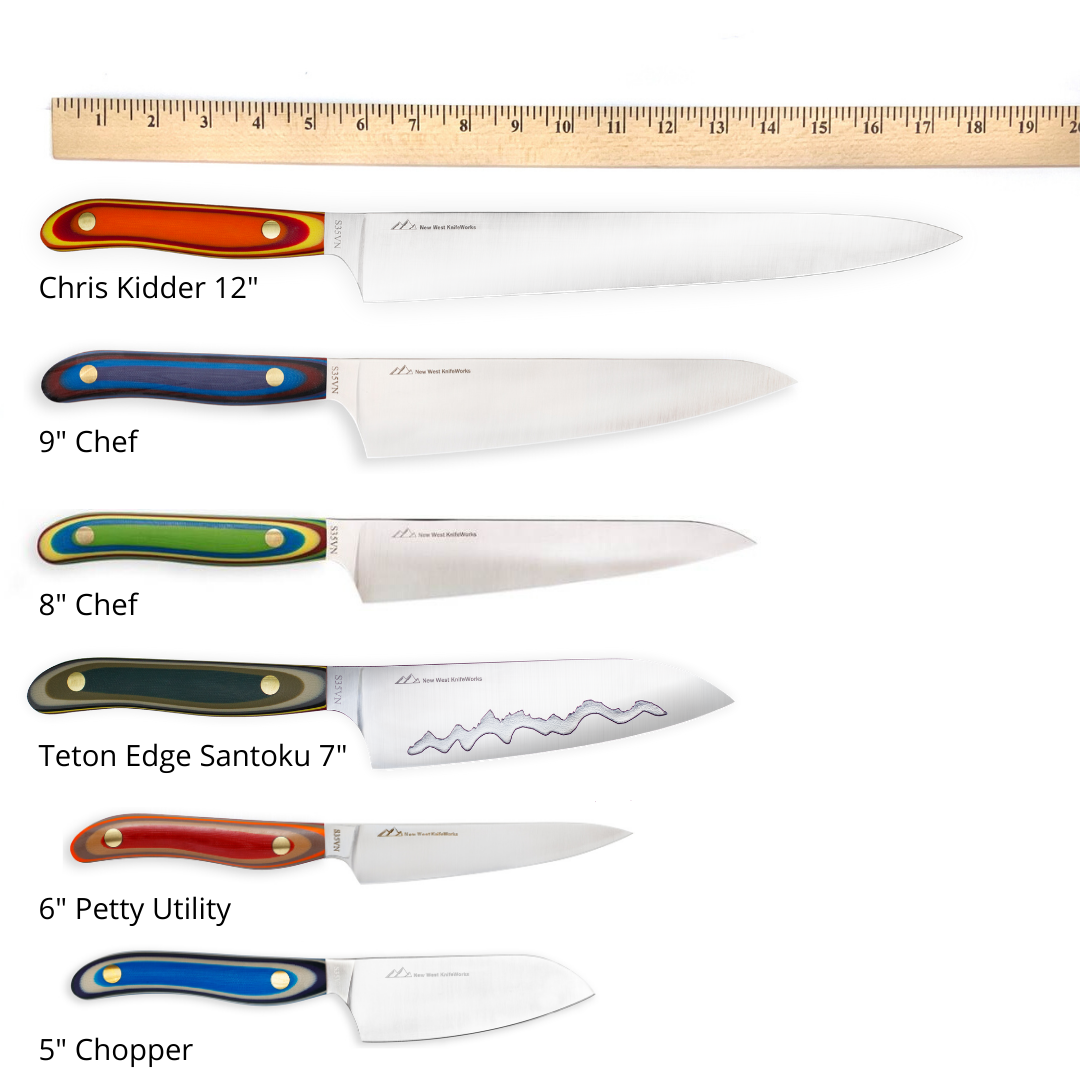
What is a utility knife?
A kitchen utility knife sits between a paring knife and a chef’s knife. It has a slim, pointed blade, usually 4 to 6 inches long. It makes quick work of small to medium tasks.
Common uses:
- Slice tomatoes, citrus, and soft fruit.
- Trim chicken, steak tips, or fish fillets.
- Halve sandwiches and soft rolls.
- Cut cheese blocks and snack boards.
From my own routine, I grab a utility knife when a chef’s knife feels too big and a paring knife feels too small. It shines when I want control without bulk. If you only buy one small prep blade, this is a top pick.
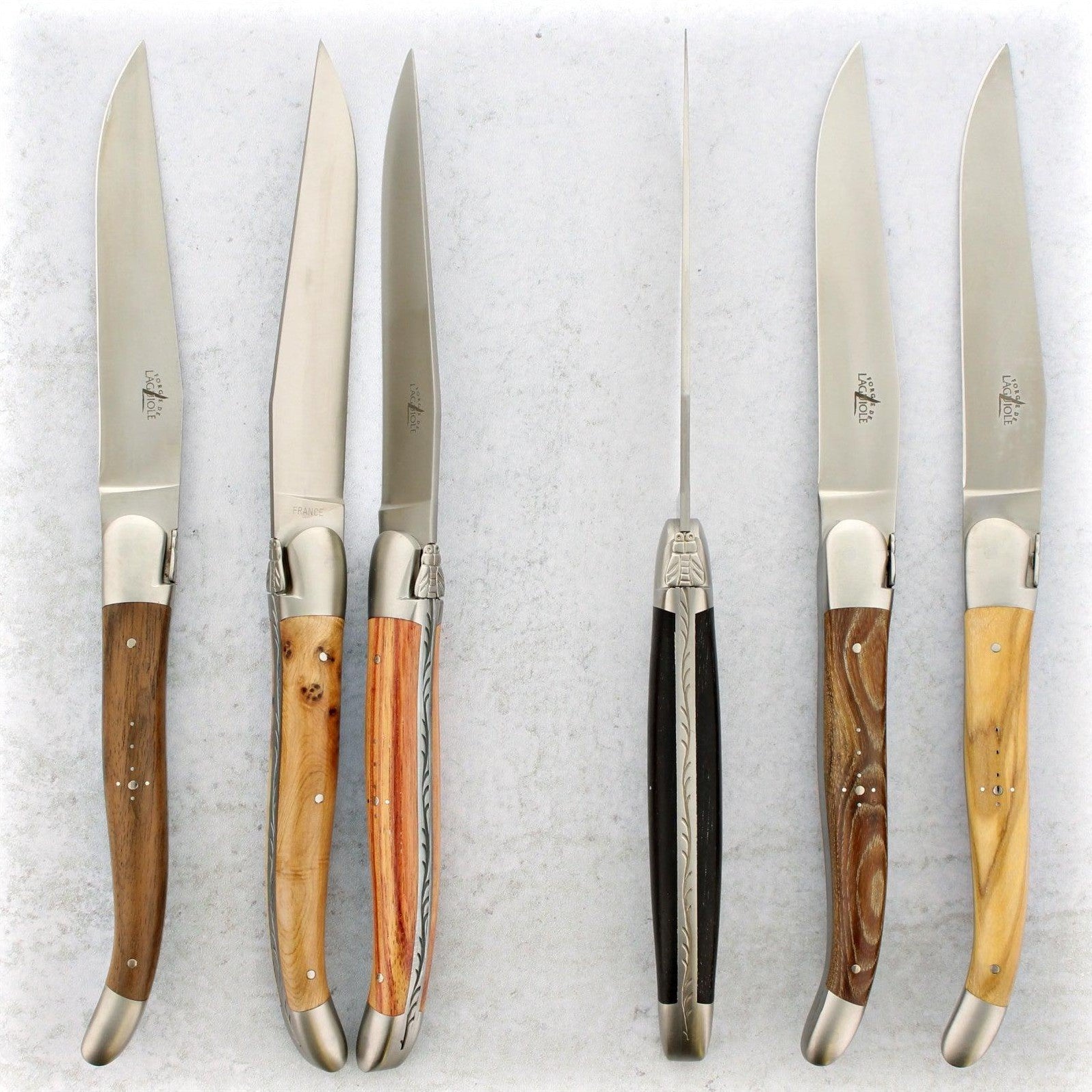
What is a steak knife?
A steak knife is a table knife for cutting cooked meat. Most have a serrated edge that bites into crust and sear. Some premium models use a straight edge for ultra-clean slices.
Common uses:
- Slice steaks, chops, and roasts.
- Cut burgers and sandwiches with toasty crusts.
- Handle crispy chicken skin without tearing too much.
I keep four to six steak knives in a block by the table. Guests love a sharp, clean cut. It keeps juices in the bite and makes dinner feel special.

Blade design and materials: how the edges work
Here is where utility knife vs steak knife set themselves apart.
Edge type:
- Utility knife. Usually a straight edge with a fine grind. It glides and makes clean cuts on soft produce and boneless meat.
- Steak knife. Often serrated with pointed teeth. The teeth saw through sear and crust without much force. A straight-edge steak knife cuts cleaner but needs more upkeep.
Steel and hardness:
- Mid-range stainless steel holds up well in kitchens. It resists stains and is easy to maintain.
- Harder steels stay sharp longer but can chip if misused.
- Serrated edges can feel sharp longer because the tips protect the inner edge.
Sharpening:
- Utility knife. Sharpen with a whetstone or a guided system. A honing rod helps keep the edge aligned.
- Serrated steak knife. Use a tapered rod to touch up scallops. Many people send them to a pro once a year.
Grip and balance:
- Utility knife handles mimic chef’s knives. Look for a secure pinch grip and a solid bolster.
- Steak knives are slim and light. Aim for a handle that feels steady when you press down on a plate.
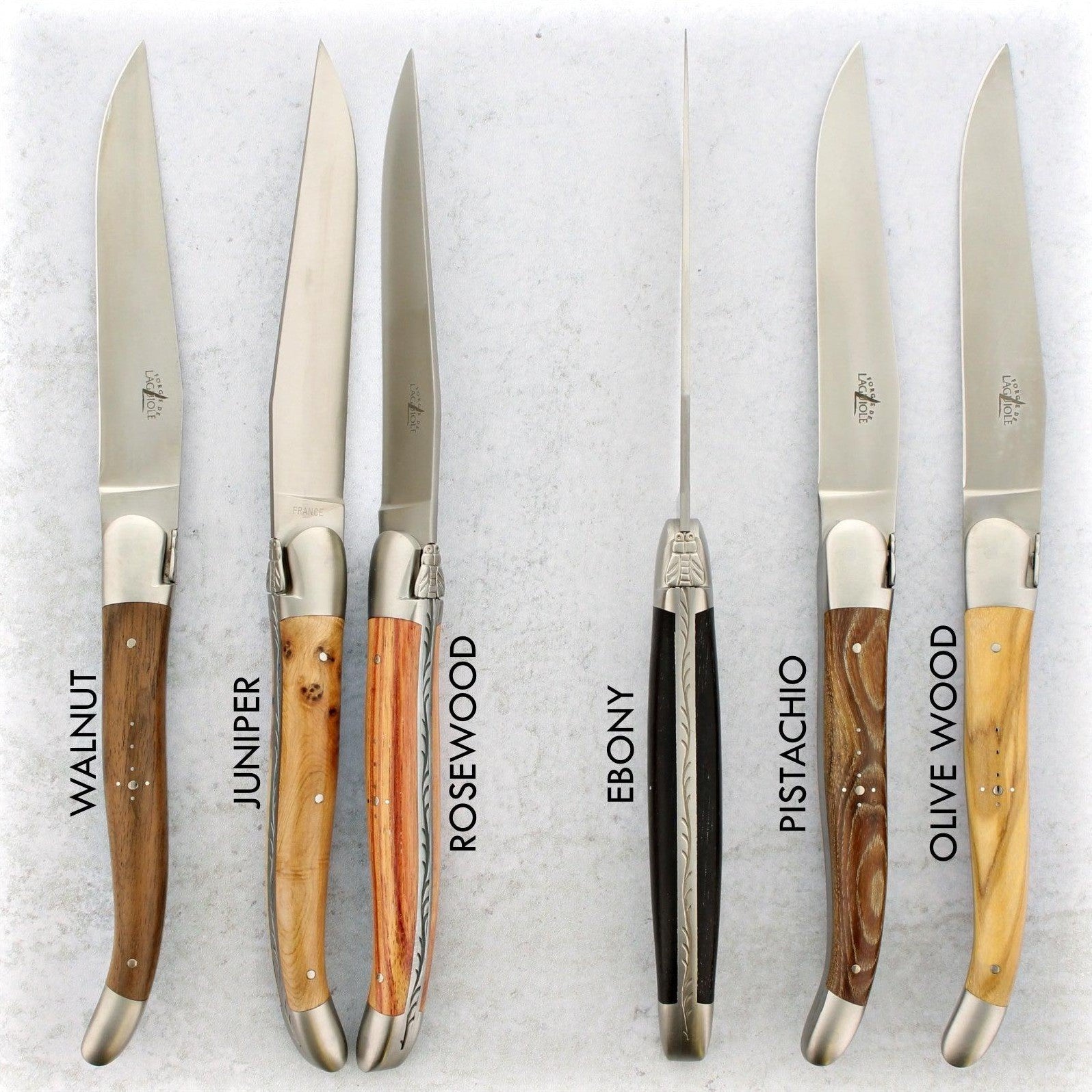
When to use each knife: real-life tests
I tested utility knife vs steak knife across a week of meals. Here is what stood out.
Tomatoes and citrus:
- Utility knife. Clean, thin slices without crushing.
- Steak knife. Serrations bite, but they can tear soft flesh.
Crusty bread and toasted sandwiches:
- Steak knife. Serrations excel on crust without slipping.
- Utility knife. Works on soft rolls, but struggles on thick crusts.
Cooked steak and chops:
- Steak knife. Slices clean at the table and holds grip on the sear.
- Utility knife. Cuts well on a board, but feels awkward on a plate.
Snack boards:
- Utility knife. Neat cuts on cheese, fruit, and salami.
- Steak knife. Acceptable, but not as precise.
From years of cooking, the winning mix is simple: prep with a utility knife. Eat with a steak knife. If I had to rank utility knife vs steak knife for overall usefulness, utility wins in the kitchen. Steak wins at the table.

Safety, care, and maintenance
Good care makes both safer and sharper for longer.
Cleaning:
- Hand-wash both. Dry right away. Dishwashers dull edges and can rust bolts and rivets.
- Avoid harsh scrubbers that scratch blades.
Storage:
- Use a knife block, magnetic strip, or blade guards. Loose drawers are rough on edges and fingers.
Sharpening and honing:
- Utility knife. Hone lightly before use. Sharpen when slicing starts to slip.
- Serrated steak knife. Use a tapered rod for touch-ups. For a full sharpen, use a pro.
Cutting surfaces:
- Use wood or soft plastic boards. Hard plates, stone, or glass kill edges fast.
Safety habits:
- Keep tips away from fingers when wiping. Move slowly around serrations. They catch skin fast.
- Replace damaged knives. Chips and loose handles are accidents waiting to happen.
For long-term value in utility knife vs steak knife, good care often matters more than the price tag.

Buying tips and price ranges
Smart buys come from fit, not hype.
Utility knife:
- Blade length. Aim for 5 to 6 inches for range.
- Profile. A slim, pointed tip helps with detail work.
- Handle. Try a pinch grip. It should feel steady and natural.
- Price. Solid picks start around $25 to $60. Premium moves to $80 to $150.
Steak knife:
- Edge type. Serrated is low upkeep. Straight edge cuts cleaner if you will sharpen often.
- Set size. Four is enough for couples. Six to eight for families and guests.
- Full tang and rivets. Look for strength and balance.
- Price. Good sets start around $40 to $100. Premium sets range from $120 to $300.
I test knives by slicing a ripe tomato, a piece of ropey celery, and a sheet of paper. If a new blade stumbles, I pass. This simple test makes utility knife vs steak knife shopping much easier.

Which should you choose?
For most homes, you need both. If budget is tight, buy a quality utility knife first. It boosts daily prep more than almost any tool. Add a steak knife set when you cook more steaks, chops, or roast cuts.
Choose a utility knife if:
- You want one small, do-it-all prep blade.
- You slice produce and trim meat often.
- You value easy home sharpening.
Choose a steak knife if:
- You serve steaks, chops, or burgers often.
- You care about clean cuts at the table.
- You want low-fuss serrations that stay useful for a long time.
When people ask me to settle utility knife vs steak knife, my answer is simple. Prep with precision. Dine with comfort. Let each tool do its job.

Frequently Asked Questions of utility knife vs steak knife
Is a utility knife the same as a box cutter?
No. In the kitchen, a utility knife is a small prep knife. A box cutter is a retractable tool for cardboard and is not safe for food.
Can a utility knife replace a steak knife at the table?
It can cut meat, but it feels awkward on plates and can dull fast. Steak knives are built to grip sear and glide through without much pressure.
Are serrated steak knives better than straight edge?
Serrated knives stay useful longer with less care. Straight edges cut cleaner but need more sharpening and careful use.
What blade length should I get for a utility knife?
Five to six inches is the sweet spot. It gives control for small tasks while still handling medium cuts.
How often should I sharpen each knife?
Hone the utility knife before use and sharpen every few months, depending on use. Touch up serrated steak knives as needed and consider pro sharpening once a year.
Can I put these knives in the dishwasher?
Hand-wash and dry both. Dishwashers can dull edges, cause rust, and loosen handles over time.
What cutting boards protect my knives best?
Use end-grain wood or soft plastic. Avoid glass, stone, or hard plates, which dull edges quickly.
Conclusion
Utility knife vs steak knife is not a battle. It is a smart pairing. Use the utility knife for fast, precise prep. Use steak knives at the table for clean, satisfying bites. When you match the tool to the task, cooking feels easier and meals taste better.
Try this today: prep your next meal with a good utility knife, then serve with a sharp steak knife. Notice the difference in control, speed, and texture. If this guide helped, subscribe for more kitchen tips, or drop your questions in the comments so we can cook smarter together.