
Towel steamers sanitize with hot steam; towel warmers heat and dry for cozy comfort.
The towel steamer vs towel warmer debate comes down to hygiene needs, speed, and daily comfort. I have installed both in spas and homes, and I know where each shines. In this guide, I break down how they work, the real costs, safety, and what to buy. You will leave clear on which one fits your space and goals.

What is a towel steamer and how it works
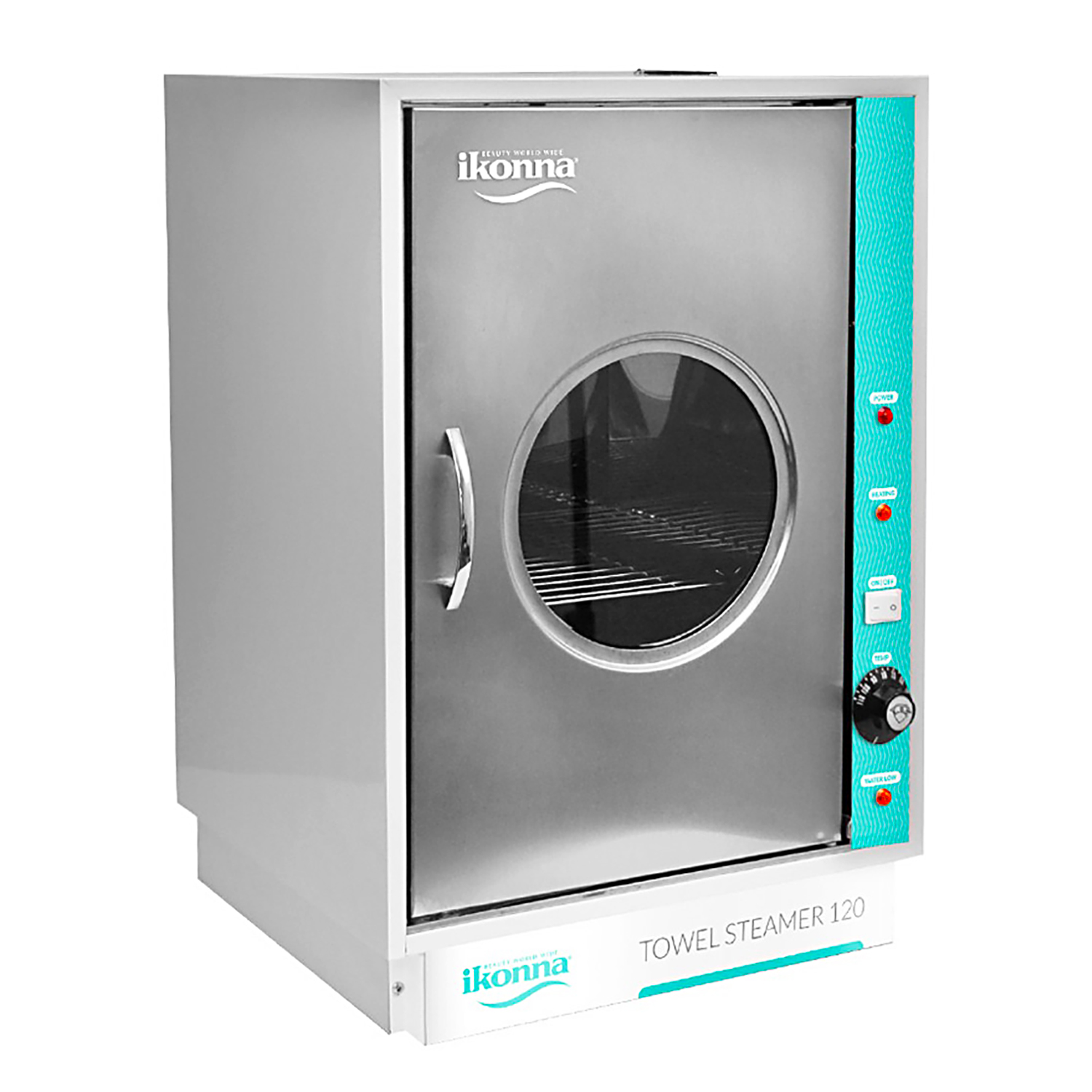
A towel steamer uses water and heat to make steam. That steam penetrates fabric and heats towels fast. Most units are countertop or cabinet style with a water tank and thermostat. Many reach near boiling water temperatures, which helps reduce common germs on damp towels.
Steamed towels feel moist and hot. They are popular in spas, barbershops, and for at‑home facials. They are great for pre-shave prep and skin care because moisture softens hair and opens pores.
Pros
- Fast heating with deep, moist heat.
- Helps reduce common bacteria on towels when used well.
- Great for facials, barbers, and therapy.
Cons
- Adds humidity to the room.
- Needs regular descaling and water changes.
- Uses more power than most towel warmers.
:max_bytes(150000):strip_icc()/rsp-product-amba-solo-safsmb-24-freestanding-towel-warmer-hwortock-001-56f506035bb24626ad248896c0a66694.jpeg)
Source: resolutre.com
What is a towel warmer and how it works
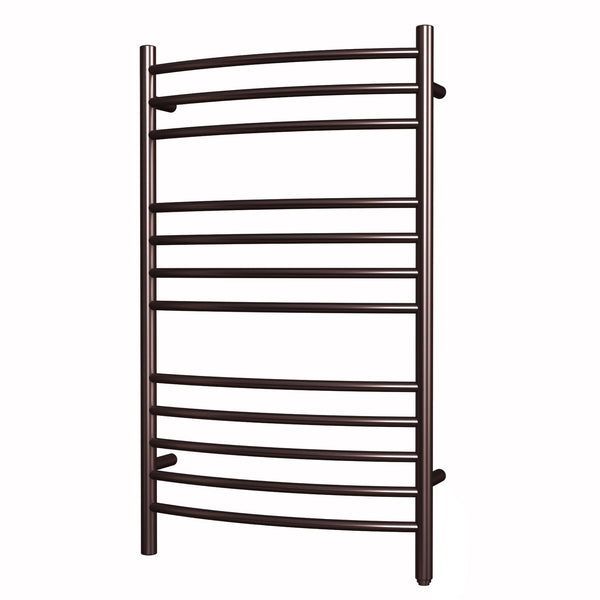
A towel warmer heats towels without steam. Popular styles include electric wall racks, dry heat cabinets, and hydronic rails tied to hot water lines. They warm and dry towels with gentle, even heat.
Dry warmth keeps towels fresh between showers. It helps cut mildew and that damp smell. Most models sip power and run on simple timers.
Pros
- Cozy, dry towels every day.
- Low energy use and easy setup.
- Helps reduce dampness and odors.
Cons
- Not a sanitizer or sterilizer.
- Slower to heat than steam for thick towels.
- Some models need wall studs or plumbing.

Source: homedepot.com
Towel steamer vs towel warmer: key differences
Heating method
- Steamer uses wet heat from steam.
- Warmer uses dry heat from bars, elements, or hot water.
Hygiene and sanitization
- A steamer can reduce common germs due to high heat and moisture. It is not a medical sterilizer.
- A warmer keeps towels dry, which helps curb mildew, but it does not sanitize.
Moisture and texture
- Steam makes towels moist and soft.
- Warmers keep towels fluffy and dry.
Speed and capacity
- Steamers heat towels fast and handle many at once in cabinets.
- Warmers heat slower but work well for daily home use.
Install and care
- Steamers need water, cleaning, and descaling.
- Warmers need basic power or plumbing and are low care.
Cost and energy
- Steamers often draw more watts and cost more to run.
- Warmers are budget friendly over time.
If you are weighing towel steamer vs towel warmer for a spa, lean steamer. For daily baths and laundry care, a warmer is the easy win.

Safety, hygiene, and maintenance best practices
Steam is hot. Use tongs or gloves when pulling towels from a steamer. Open the door slowly and away from your face. Change water daily, empty the tank at night, and descale per the manual.
Keep warmers clear of wet floors and splashes. Use a GFCI outlet in bathrooms. Do not overload racks. Let air flow between towels so they dry fast and stay fresh.
General care tips
- Wash towels hot and dry fully between uses.
- Do not add oils in the steamer tank. Pre-soak towels if needed, then wring well.
- Check cords, plugs, and timers every season.

Source: bathroombutler.com
Energy use and running costs
Power draw varies by model. Many towel steamers use about 400 to 1200 watts while heating. Many electric towel warmers use about 60 to 200 watts. Hydronic rails use your hot water system and add a small load there.
A simple math check helps. Multiply watts by hours, divide by 1000, then multiply by your rate. Example: a 150 watt warmer for 6 hours is 0.9 kWh. At 15 cents per kWh, that is about 14 cents per day.
Money saving tips
- Use a timer or smart plug to run only when needed.
- For steamers, batch your towel cycles.
- Dry towels on a rack first, then warm or steam to finish.

Source: amazon.com
Use cases and buying guide: choose between a towel steamer vs towel warmer
Pick a towel steamer vs towel warmer based on your use, space, and budget. Map your routine first. Then match features to that routine. Here is a quick guide.
Choose a towel steamer if
- You run a spa, barbershop, or do facials often.
- You want fast, moist heat for softening hair and skin.
- You need higher capacity for back-to-back clients.
Choose a towel warmer if
- You want warm, dry towels for showers and baths.
- You need low energy use and simple setup.
- You want less moisture in the room.
Buying checklist
- Capacity you need per hour.
- Warm-up speed and temperature range.
- Safety features like auto shutoff and overheat protection.
- Certifications such as UL or ETL.
- Build quality, stainless interiors, and easy cleaning.
- Warranty length and parts support.
Source: dangerfieldsofshakopee.com
Installation and space planning
Countertop steamers need a stable, level surface. Keep them near a sink for easy fills. Leave room to vent steam when you open the door. Use a drip tray and wipe up water after each cycle.
Electric towel racks should mount to studs. Follow the template, drill pilot holes, and check for level. Use a bathroom rated GFCI outlet and a drip loop on cords. Hydronic rails need pro plumbing. Add shutoff valves for service.
Placement tips
- Keep clear of shower spray and splashes.
- Allow airflow so towels dry fast.
- Plan reach and height so the whole family can use it.

Source: amazon.com
My hands-on take: lessons learned from real installs
In a busy facial studio, a 48-towel steamer was a star. But minerals in the water caused scale within weeks. We fixed it by using filtered water and a weekly descale routine. We also rotated towel sets so no one waited on heat cycles.
At home, an electric rack changed our mornings. Towels stayed dry even with three showers. Cotton loops felt fluffier and did not smell musty. One mistake I made early was stacking thick towels too tight. Spacing them made all the difference.
Pro tips I share with clients
- For the towel steamer vs towel warmer choice, match it to your daily flow, not a trend.
- Use boiled and cooled or filtered water in steamers to cut scale.
- Set a 2 to 4 hour timer on warmers. That is enough for most homes.
- Label spa towels by day and cycle to keep hygiene tight.
Source: cityofharrah.com
Frequently Asked Questions of towel steamer vs towel warmer
Is a towel warmer a sanitizer?
No. A warmer heats and dries towels, which helps reduce mildew and odor. It does not sanitize like medical gear.
Can a towel steamer replace a disinfectant process?
No. A steamer helps reduce common germs but does not replace cleaning and disinfection. Follow your local rules for hygiene.
Which is cheaper to run, a steamer or a warmer?
A warmer is usually cheaper. It uses fewer watts and can run on a timer without much cost.
How long does each take to heat a towel?
Many steamers heat towels in 5 to 10 minutes. Warmers often take 15 to 45 minutes, depending on thickness and load.
Will steam damage my bathroom paint or mirror?
Steam adds moisture. Good ventilation and short cycles help protect walls and mirrors. Wipe condensation when you finish.
What towel type works best for each?
For steamers, use 100 percent cotton barber or facial towels. For warmers, thick cotton or bamboo blends hold heat well.
Can I add essential oils to the water in a steamer?
Avoid adding oils to the tank. Pre-soak towels with a drop of oil in water, then wring them before steaming.
Conclusion
The towel steamer vs towel warmer choice is simple when you map your needs. Pick a steamer for fast, moist heat and spa-style service. Pick a warmer for daily comfort, low energy use, and fresh, dry towels.
Set a budget, list your must-haves, and measure your space today. Make the call that fits your routine, not the trend. Want more guides like this? Subscribe, ask a question, or share your setup in the comments.