A strong, fast-acting toilet cleaner that removes rust, lime, and stains safely.
If you want a clean bowl with less fuss, tough guy toilet bowl cleaner delivers. I have used it in homes, rentals, and small offices. It cuts through hard water rings and rust with ease. In this guide, I share pro tips, safe methods, and real results. You will learn how tough guy toilet bowl cleaner works, when to use it, and how to get the best shine without damage.
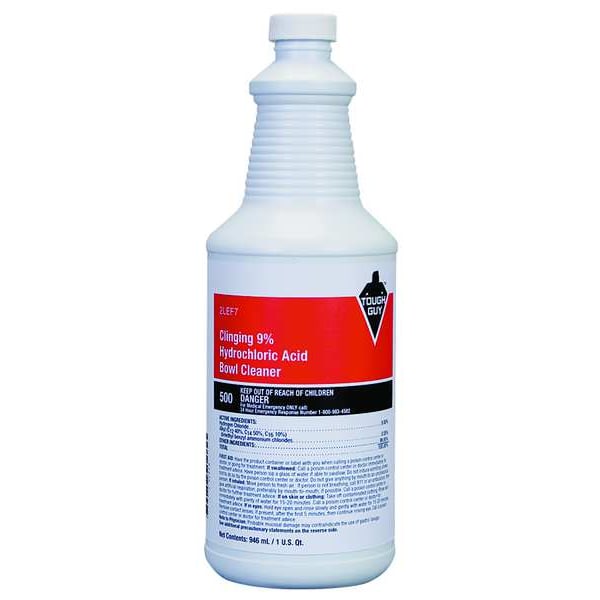
What is tough guy toilet bowl cleaner?
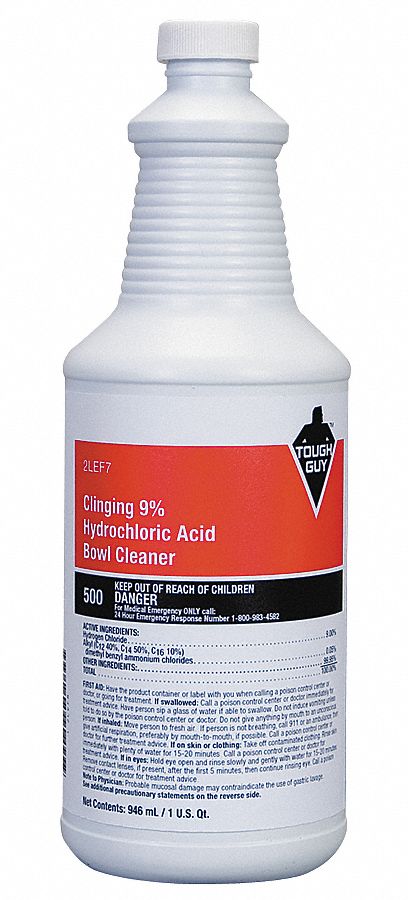
Tough guy toilet bowl cleaner is a pro-grade cleaner for toilets and urinals. It targets mineral scale, rust, and organic stains. Many versions are acid-based to dissolve buildup fast. Some versions are non-acid for daily care and gentle cleaning.
The brand is common in janitorial supply lines. It comes in thick gels or liquids. The gel clings to the bowl, so it works longer. Not all versions are disinfectants. Always read the label and the safety data sheet.
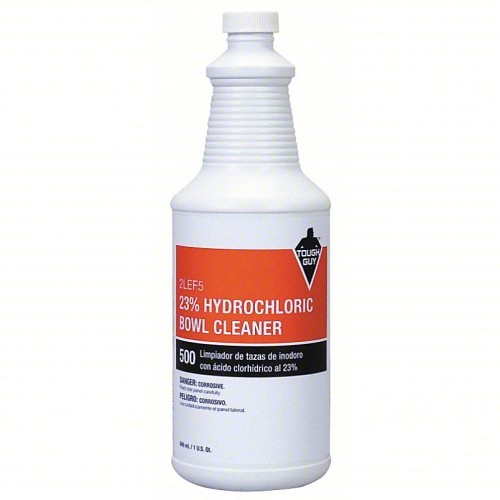
How it works: the simple science
Most tough guy toilet bowl cleaner options use acids to break scale. Scale is alkaline. Acid reacts with it and turns it into water-soluble salts. That makes rings and rust let go. Surfactants help lift grime. Thickeners help the cleaner stick under the rim. Dwell time lets chemistry do the heavy lift.
Ceramic glaze is tough, but not bulletproof. Long, dry contact with strong acid can dull it. Avoid use on marble, natural stone, and some metals. Vent the area and keep it off the seat hinges.
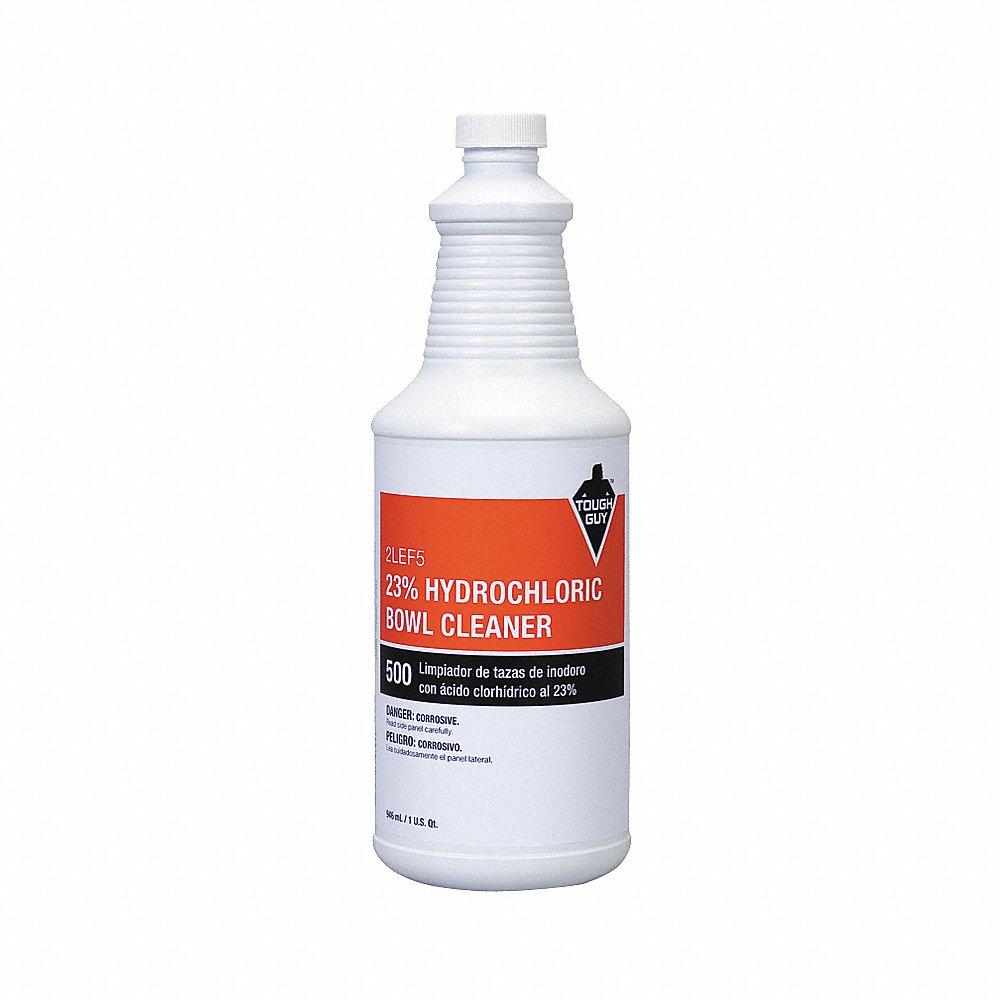
How to use tough guy toilet bowl cleaner like a pro
Here is a quick, safe method I use on site.
- Gear up. Wear gloves and eye protection. Open a window or turn on the fan.
- Prep the bowl. Flush once. This wets the sides and helps spread the gel.
- Apply under the rim. Squeeze in a slow, even line. Coat the full bowl.
- Wait. Let it sit per label. Five to ten minutes is common.
- Scrub. Use a stiff nylon brush. Focus on the water line and the trap.
- Rinse. Flush. If stains remain, repeat with a longer dwell time.
- Final check. Wipe the seat, hinges, and base with a damp cloth.
Extra tips:
- Do not mix with bleach or ammonia. This can make toxic gas.
- For septic systems, use the smallest effective dose. Do not dump large amounts at once.
- Test on a small spot if you have older or dull glaze.

Real-world results and lessons learned
I once took over a rental with a dark iron ring. One pass with tough guy toilet bowl cleaner took off 70%. A second pass, with a 10-minute dwell, cleared the rest. The glaze looked new.
A mistake I made early on was letting the product dry in the bowl. That reduced power and left faint streaks. Keep it wet and active. I also learned to avoid metal brushes. They can scratch glaze. Nylon works best. For very old rings, I use a pumice stone very lightly, then follow with the cleaner.
Picking the right version: acid vs non-acid
The right choice depends on your stains and surface.
- Heavy scale or rust: Use an acid version. It cuts fast.
- Daily upkeep or light soil: Use a non-acid version. It is gentle.
- Strong odors a concern: Choose low-odor or fragrance-free.
- Vertical cling needed: Pick a thick gel. It stays where you put it.
- Sensitive fixtures: Use non-acid or a citric acid formula.
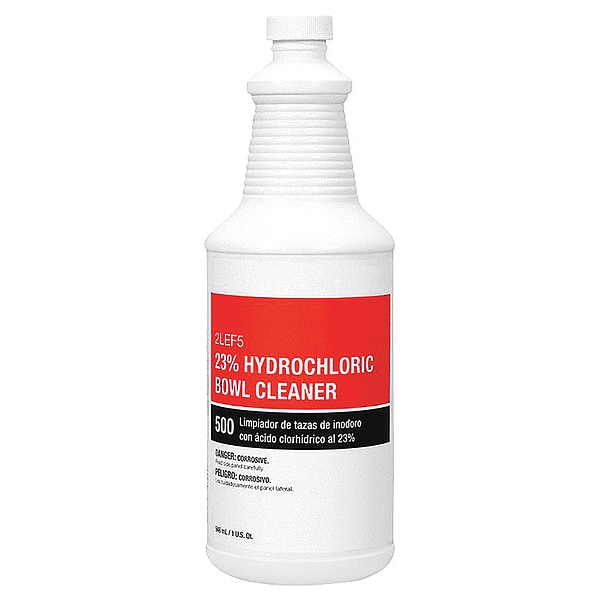
Always read the label. Some acid cleaners use hydrochloric or phosphoric acid. Strength can vary. Match power to the job. When unsure, start mild and step up.
Safety, storage, and environmental notes
Safety first. Tough guy toilet bowl cleaner is strong. Treat it with care.
- Wear gloves and eye protection. Avoid skin and eye contact.
- Vent the room. Do not inhale fumes.
- Never mix with bleach, ammonia, or other cleaners.
- Keep off marble, limestone, and unsealed stone.
- If splashed, rinse the area with lots of water.
- Store upright in a cool, dry place. Keep away from kids and pets.
On the environment: Use only what you need. Most toilet flows go to a wastewater plant. Small, directed use is fine. Check the SDS for details such as acids and phosphates. For septic, small doses used as directed are typical. Spread deep cleanings over time.

Troubleshooting tough stains
If stains fight back, use these tactics.
- Hard water ring: Apply a thick band under the rim. Let sit 10 minutes. Scrub hard at the water line.
- Rust streaks: Use an acid version and a longer dwell. Wipe with a cloth after scrubbing to check progress.
- Blue or green stains: These can be copper deposits. Repeat short cycles and rinse well each time.
- Black or brown marks: Could be manganese or old organic buildup. Use fresh product. Scrub with a tight-bristle brush.
- Old, etched rings: Use a wet pumice stone very gently. Follow with tough guy toilet bowl cleaner to finish.
If the bowl is rough to the touch, the glaze may be worn. Clean will improve look, but not fix texture. In that case, plan for steady upkeep or consider a fixture upgrade.
tough guy toilet bowl cleaner vs other options
How does it stack up against common choices?
- Bleach-based cleaners: Great for whitening and odor. Weak on mineral scale. Can create fumes with acids.
- Vinegar and baking soda: Safe and cheap. Works on light film. Slow on heavy scale.
- CLR-style descalers: Work on calcium and lime. May need repeats for rust.
- Pumice stone: Fast on old rings. Risk of scratching if used dry or with pressure.
- Drop-in tablets: Easy but can be harsh on tank parts. Poor at deep cleaning.
For tough rings and rust, tough guy toilet bowl cleaner wins on speed. For daily shine, use a mild, non-acid option and a quick brush.

Buying and cost tips
You can find tough guy toilet bowl cleaner at janitorial suppliers and online. It comes in quarts and gallons. Gels often cost more per ounce but waste less.
Ways to save:
- Buy by the case if you clean often.
- Use measured doses. A thin, even ring works better than a heavy pour.
- Store sealed. Air dries thickeners and reduces power.
- Track cost per clean. A quart can last many weeks in one home.
Shelf life is often one to two years. Check the date stamp and the SDS for details.
A simple maintenance plan that works
Keep toilets clean with a short weekly plan.
- Twice a week: Quick brush with a non-acid cleaner. Thirty seconds per bowl.
- Weekly: Spot treat the water line with tough guy toilet bowl cleaner. Two to five minutes of dwell.
- Monthly: Deep clean under the rim. Remove the seat to reach hinges.
- Brush care: Rinse the brush in clean water. Let it dry. Replace every few months.
This plan keeps scale from coming back. It also cuts time spent on scrubbing.
Frequently Asked Questions of tough guy toilet bowl cleaner
Is tough guy toilet bowl cleaner safe for septic systems?
Yes, when used as directed and in small amounts. Avoid large dumps, and spread deep cleanings over time.
Can I use it on sinks, tubs, or tile?
Use it only on vitreous china toilets and urinals. Avoid stone, enamel, and metal surfaces unless the label says safe.
How long should I let it sit?
Most jobs need five to ten minutes. Do not let it dry on the surface.
Will it remove rust and iron stains?
Yes, acid versions break down rust fast. For heavy rust, use two short cycles with scrubbing.
Can I mix it with bleach for more power?
No. Never mix with bleach or ammonia. Mixing can make dangerous fumes.
Does it disinfect?
Some versions disinfect, but many do not. Check the product label for EPA disinfectant claims.
What brush should I use?
Use a stiff nylon toilet brush. Avoid metal bristles, which can scratch the glaze.
Conclusion
Tough stains do not stand a chance when you use the right method. Tough guy toilet bowl cleaner brings fast results with simple steps and smart safety. Pick the version that fits your needs, follow the label, and keep a steady routine.
Start today: pick one toilet, apply the steps above, and time yourself. You will get a cleaner bowl in minutes. Want more guides like this? Subscribe for fresh, field-tested cleaning tips.