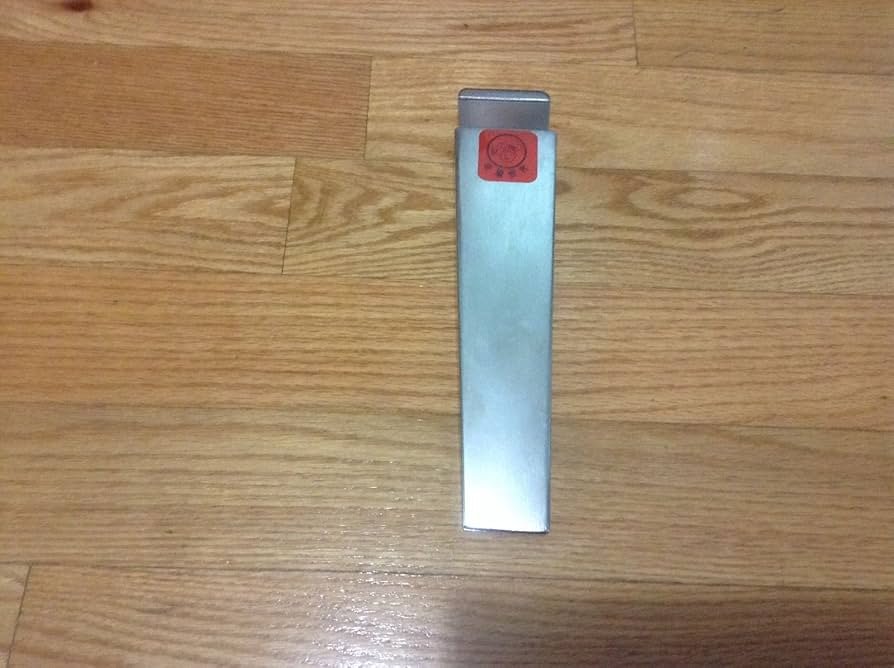
A teppanyaki hibachi chef knife holster keeps knives safe, fast, and clean at the grill.
If you work a hot, crowded teppan, you need speed and control. A well-made teppanyaki hibachi chef knife holster gives both. I’ve spent years on the hibachi line, and I’ve tested many holsters in real shifts. This guide shows what works, what fails, and how to choose a teppanyaki hibachi chef knife holster that boosts safety, speed, and showmanship without slowing you down.

What Is a Teppanyaki Hibachi Chef Knife Holster?
A teppanyaki hibachi chef knife holster is a belt or waist-mounted holder for knives and tools. It keeps blades secure, covered, and within easy reach. It is built for heat, steam, and fast moves on a flat-top grill.
Unlike a knife roll, a holster stays on you while you cook. Most have slots for a chef knife, spatula, tongs, and tweezers. Some add a pouch for a thermometer or marker. The best teppanyaki hibachi chef knife holster holds tight but lets you draw and re-sheath with one hand.
Many holsters use a rigid liner to protect the body from sharp edges. Others use a magnetic insert for extra hold. Both styles work if sized right for your main knife.

Why It Matters at the Grill
A busy teppan is fast and close to guests. You need to move without risk. A good teppanyaki hibachi chef knife holster helps by lowering cuts, drops, and cross-contact.
Key wins you will notice:
- Faster service. Your main knife and spatula ride at the same spot every time.
- Better safety. Covered blades reduce nicks when you pivot or bow.
- Cleaner line. Fewer tools sit on the hot plate or damp towels.
- Smoother show. Moves look sharp when your tools land clean in the holster.
Kitchen injury reports show cuts are one of the top chef injuries. Simple steps like covered storage reduce that risk. A teppanyaki hibachi chef knife holster does that while saving time.

Types, Materials, and Layouts
There is no single best design. Match the holster to your tools and style.
Common types
- Open-top slots. Fast draw and re-holster. Good for high-volume sets.
- Flap or snap closures. More secure for travel between stations.
- Magnetic assist. Adds hold without straps. Check magnet strength with your main knife.
- Multi-slot rigs. Knife, spatula, scraper, and tweezers in one compact layout.
Mounting and carry
- Belt loop. Stable and simple. Works with 1.5 to 2 inch belts.
- Clip-on. Easy on and off. Choose strong clips that do not twist.
- Angle set. Vertical, slight forward cant, or cross-draw. Test what clears your apron and elbow.
- Side choice. Right or left carry based on your lead hand.
Materials
- Leather. Classic look. Comfort improves with use. Needs care. Avoid thin leather near heat.
- TPU-coated fabric. Wipe-clean, water resistant, and heat friendly. Great for grill steam and sauces.
- Ballistic nylon with plastic liner. Tough, light, and easy to clean. Good value.
- Kydex or hard plastic liners. Shape holds form. Protects edges and body.
If you work very hot grills, aim for heat-tolerant materials. Smooth liners are best for quick clean-up. A teppanyaki hibachi chef knife holster in TPU or lined nylon is hard to beat for daily abuse.

Fit, Ergonomics, and Sizing for All-Day Comfort
Fit is everything. A holster that rides wrong will trip you up.
What to check
- Slot size. Test with your main blade. A 210 mm to 240 mm chef knife should slide in with slight friction.
- Tip protection. Ensure the tip never hits the bottom seam. Look for a reinforced cap or liner.
- Ride height. The handle should sit above your belt line by about a fist’s width. That clears the apron fold.
- Cant angle. A slight forward tilt speeds the draw and avoids ribs.
- Weight balance. Load the tools you use. Walk, turn, and bend. Nothing should swing or jab.
Quick in-store test
- Load your own knife and spatula.
- Do five deep bends and a full turn each way.
- Shake side to side. The holster should not tip or dump.
- Sit on a stool. The handle should not poke your ribs.
Common chef tools to size for
- 210 to 240 mm chef or gyuto
- 180 mm santoku
- Long hibachi spatula and scraper
- Offset tweezers and fish spatula
A well-fitted teppanyaki hibachi chef knife holster feels like part of your body. After ten minutes, you should forget it is there.

Safety and Hygiene Best Practices
Clean and safe beats fast and messy. Build these habits into your shift.
Daily habits
- Use a blade guard or rigid liner. No bare edges against fabric.
- Wipe slots each break with a food-safe sanitizer wipe.
- Keep protein and veg tools in separate slots. Color bands help.
- Never holster a wet or greasy knife. Wipe dry first.
Heat and environment
- Check rated temperature for your holster materials.
- Keep the holster just outside the hottest steam zones.
- Avoid direct contact with the grill rim.
Simple checklist
- Tools clean before each set.
- Holster dry inside and out.
- Knife seated fully with the heel covered.
- Straps or snaps closed when you move stations.
These steps protect you and your guests. A clean teppanyaki hibachi chef knife holster reduces cross-contact and sharp-edge risks near the dining counter.

Buying Guide and Features That Matter
You have many choices. Focus on features that hold up on a live grill.
Must-have features
- Rigid or semi-rigid liner
- Heat-tolerant outer shell
- Drain or crumb hole at the bottom
- Stitching with strong thread and bar tacks at stress points
- Solid rivets or eyelets at key corners
- Smooth interior for easy wipe-down
- Secure belt loop for 1.5 to 2 inch belts
- Ambidextrous or reversible options
- Retention you can adjust or test
Nice-to-have extras
- Magnetic assist at the mouth
- Quick-release buckle for fast removal
- Modular add-ons for tweezers or thermometer
- Color coding for protein and veg
Price ranges
- Entry: Simple nylon or PU with one to two slots.
- Mid: TPU-coated or lined nylon with better stitching and liners.
- Pro: Leather or hybrid with strong liners and modular parts.
From my own shifts, switching to a TPU-lined teppanyaki hibachi chef knife holster cut my minor nicks to near zero. The rigid mouth made one-hand re-sheath smooth. It also wiped clean fast between sets.

Setup, Maintenance, and Cleaning
A little care keeps your holster safe and fresh.
First setup
- Fit your main knife. Check tip clearance.
- Set belt height so the handle clears your apron fold.
- Do a 30-second draw and re-sheath drill to build muscle memory.
Daily cleaning
- Wipe inside slots with a sanitizer wipe.
- Dry fully with a towel. Leave open to air.
Weekly deep clean
- Remove the liner if it is removable.
- Wash TPU or plastic parts with warm soapy water.
- Wipe leather outside only. Do not soak.
- Condition leather with a small amount of balm if dry.
- Check rivets and stitching for wear.
Storage
- Keep out of direct sun and heat.
- Do not leave on a hot line after service.
- Replace if the liner cracks or the mouth deforms.
A well-kept teppanyaki hibachi chef knife holster lasts longer and stays safer.

DIY vs. Professional Holsters
You can make your own, but weigh time and risk.
DIY route
- Kydex formed with heat can fit your knife shape.
- Leather can be cut and stitched at home with basic tools.
- Plan a rigid tip guard and a drain hole.
Pros
- Custom fit and layout
- Often cheaper in materials
- Fun project if you enjoy crafts
Cons
- Time and skill needed
- Early versions may fail under heat or steam
- Safety risk if the liner is thin or seams are weak
For daily pro use, I prefer a tested teppanyaki hibachi chef knife holster from a known maker. For a backup or a unique layout, DIY can be great if you test it hard off-shift first.

Common Mistakes and How to Fix Them
Avoid these issues to keep your setup sharp.
- Overloading one side. Split tools on both hips to balance weight.
- Wrong slot size. Add a thin liner or use a blade guard for a snug fit.
- Dirty interior. Crumbs can dull edges. Wipe slots each break.
- Loose hardware. Check rivets and screws weekly.
- Hot-zone carry. Move the holster away from direct steam or heat.
If your teppanyaki hibachi chef knife holster tilts or prints under the apron, raise the belt one notch and add a slight forward angle. Small tweaks make a big difference.
Frequently Asked Questions of teppanyaki hibachi chef knife holster
What size knife fits most holsters?
Most holsters fit 180 to 240 mm chef knives or gyutos. Always test with your own blade to confirm slot depth and tip clearance.
Is leather or synthetic better for a hibachi grill?
Synthetic or TPU-coated holsters handle steam and spills better. Leather feels great but needs more care and may not love constant moisture.
How do I clean the inside of the holster?
Use a food-safe sanitizer wipe after each set. Do a weekly wash with warm soapy water if the liner allows, then dry fully.
Can magnets damage my knives?
Magnets will not harm steel, but make sure they are not so strong that they slow a safe draw. Keep magnets away from cards or devices.
Will a holster scratch my blade?
A smooth liner reduces scratching. Clean the liner often, since grit is the main cause of marks.
Can I carry a spatula and scraper in the same holster?
Yes, many holsters include extra slots for flat tools. Choose a layout that keeps edges covered and handles easy to grip.
How tight should retention feel?
It should hold the knife when you bend or turn, yet allow a one-hand draw. If too loose, add a guard or adjust the mouth if the design allows.
Conclusion
A smart teppanyaki hibachi chef knife holster boosts speed, safety, and showmanship. Choose heat-ready materials, a snug liner, and a layout that fits your tools and body. Keep it clean, test your draw, and make small adjustments until it feels natural.
Ready to refine your setup? Pick one feature from this guide and upgrade today. Share your holster wins and fails in the comments, and subscribe for more chef-tested gear tips.