
A teacup toy Aussie full grown is tiny, energetic, and needs mindful care.
If you love the brains of an Australian Shepherd but prefer a smaller buddy, this guide is for you. I work with small herding breeds every week, and I’ve raised and trained pint-sized herders who act like big dogs in small coats. Here you will learn what a teacup toy aussie full grown really looks like, how they act, what they need, and how to keep them healthy for years. Stick with me and you’ll finish ready to choose, raise, and enjoy a happy, solid full-grown teacup toy Aussie.
What “teacup toy Aussie” really means
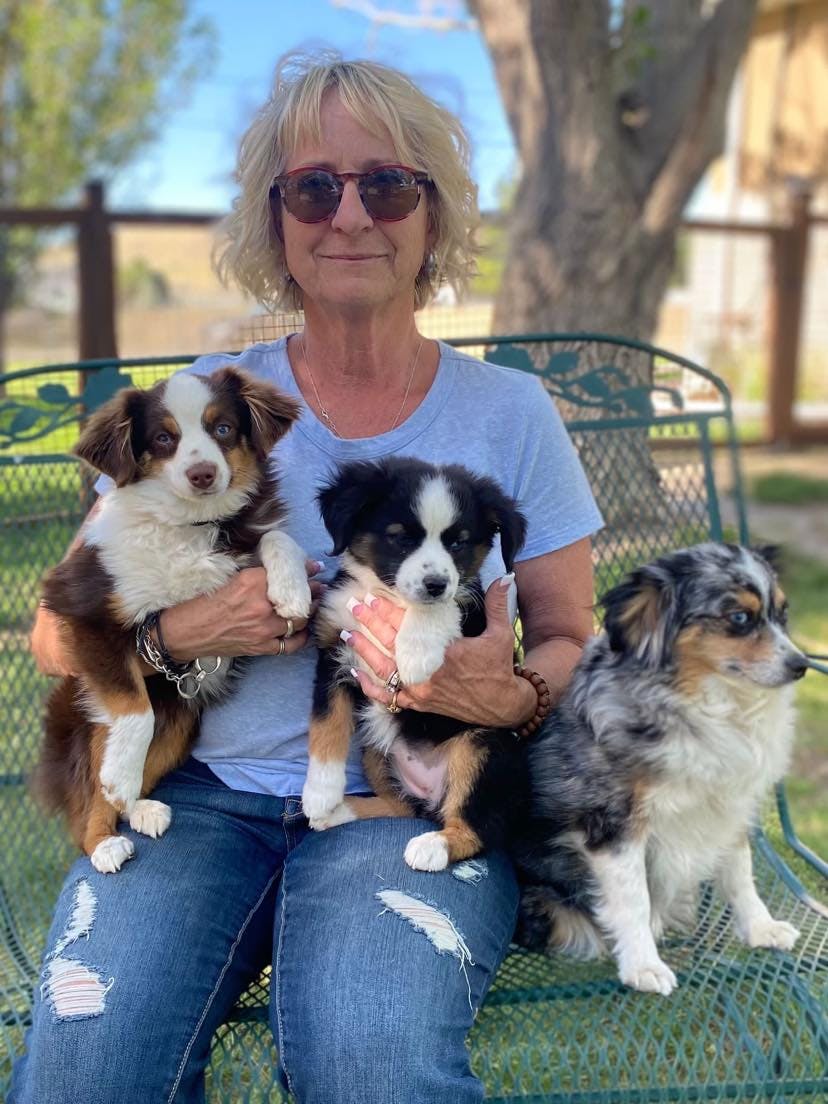
Let’s clear the most common point of confusion. Teacup is a marketing term, not a formal size class. The recognized sizes are Australian Shepherd and Miniature American Shepherd. Some clubs use the term Toy Australian Shepherd, but teacup often means extra small toy lines or undersized dogs.
Small can be cute, but size comes with trade-offs. Extreme downsizing can raise health risks. A teacup toy aussie full grown still needs the work drive of a herding dog. If you want tiny looks and big-dog smarts, learn the facts before you buy.

Teacup toy Aussie full grown size and weight
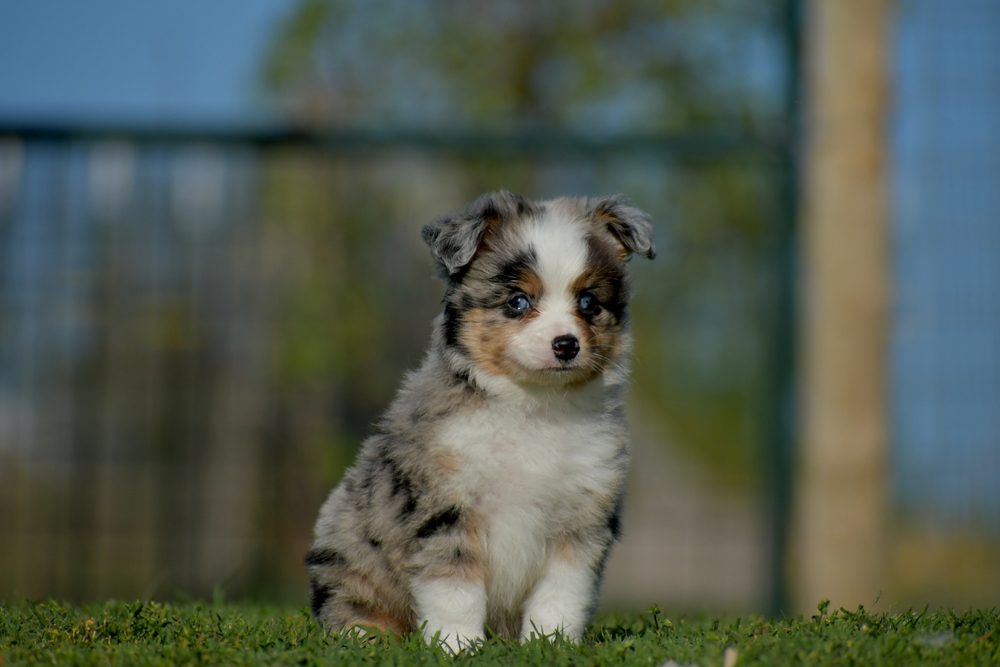
A full-grown Toy Australian Shepherd usually stands about 10 to 14 inches at the shoulder and weighs 10 to 20 pounds. A teacup toy aussie full grown often lands below that. Expect about 8 to 10 inches tall and 6 to 12 pounds for many dogs sold as teacup.
What to watch for when you assess adult size:
- Parents’ sizes give the best clue. Ask for honest weights and heights.
- Litter history matters. Breeders should share growth charts from past litters.
- Frame, not fluff, tells the truth. Feel the rib cage and hip bones.
From my training log, the tiniest full-grown teacup toy aussie I worked with weighed 7.8 pounds. She was sturdy for her size due to slow, steady growth. The key is strong bone and good muscle, not just being small. If size is your main goal, aim for sound structure first. A healthy teacup toy aussie full grown should move clean and balanced.

Growth timeline and milestones
Small dogs mature fast. A teacup toy aussie full grown is usually near adult height by 6 to 8 months. Weight and muscle fill in until 9 to 12 months.
Typical milestones:
- 8 to 12 weeks: Rapid growth, many small meals, gentle play.
- 4 to 6 months: Big brain leaps. Basic training sticks fast.
- 6 to 8 months: Height plateaus. Start joint-friendly conditioning.
- 9 to 12 months: Adult body. Switch to adult food after your vet okays it.
Track weight every two weeks until 6 months. A steady curve beats a steep climb. This helps prevent joint stress and hypoglycemia in tiny pups and sets up a strong teacup toy aussie full grown.

Temperament and training of a full-grown teacup toy Aussie
Think bright, busy, and bonded. These dogs read your routine like a book. A teacup toy aussie full grown often shadows you from room to room and learns cues fast.
Training tips that work:
- Reward focus. Name-and-yes games build fast responses.
- Teach settle. Place training helps an always-on brain rest.
- Curb nipping. Replace herding nips with tug and retrieve.
- Reduce barking. Reinforce quiet after one alert bark.
One of my smallest clients nailed down-stay by turning it into a “nap game” with soft music and a mat. Short sessions, rich rewards, and calm voice tone do wonders.
Exercise and mental enrichment needs
Do not let size fool you. A full-grown teacup toy Aussie still needs daily work for body and mind.
Aim for:
- 45 to 90 minutes of total activity split into short bursts.
- Two brisk walks and one brain session like scent games.
- Low-impact fetch on grass, not endless jumping on hard ground.
Great enrichment for a teacup toy aussie full grown:
- Snuffle mats and food puzzles.
- Hide-and-seek with toys or treats.
- Trick chains like spin, bow, and leg weaves.
- Beginner scent work or rally-style heel games.
If the dog starts pacing, barking at shadows, or shredding toys, you need more mental work and a calmer routine.
Health, genetics, and ethical buying
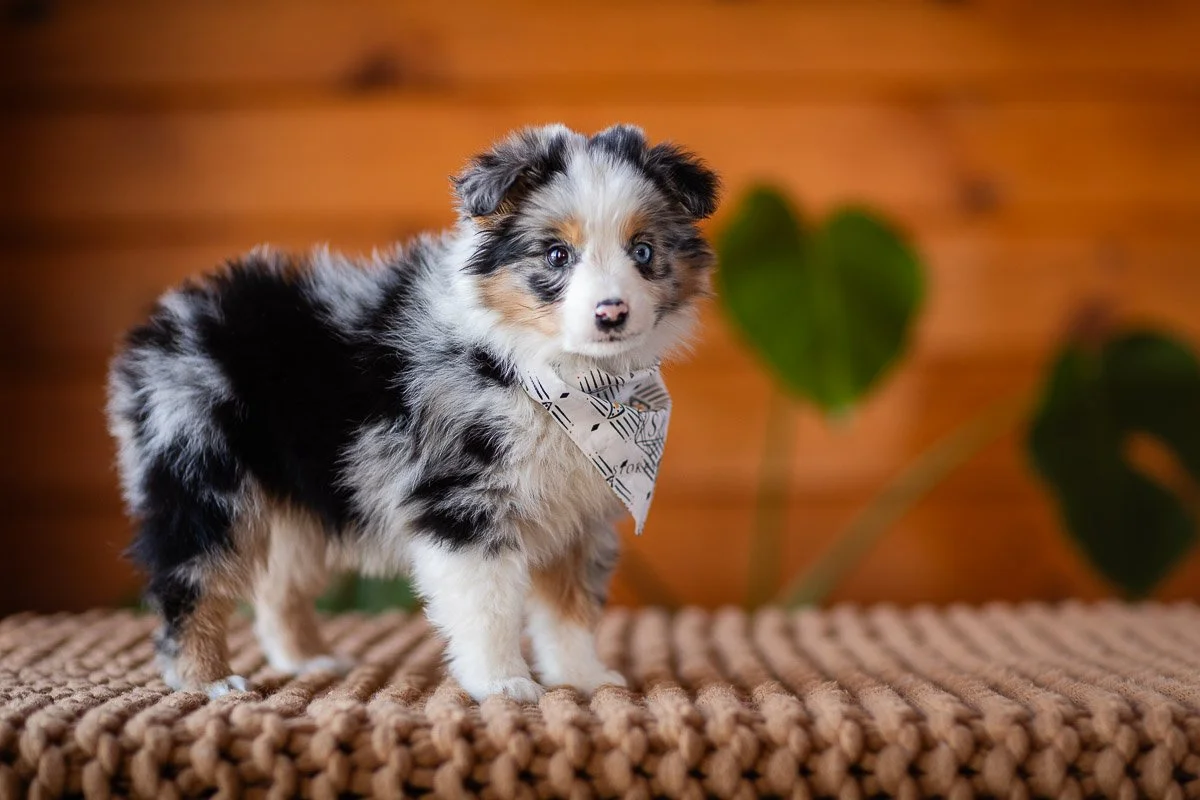
Small Aussies can be healthy, but extra small size can add risk. Ask hard questions and get proof.
Common issues in tiny herding dogs:
- Patellar luxation and Legg-Calvé-Perthes disease in small frames.
- Eye concerns such as cataracts or inherited retinal disease.
- MDR1 gene sensitivity to certain drugs seen in Aussie lines.
- Dental crowding and early tartar from small jaws.
- Hypoglycemia risk in tiny puppies.
Ethical breeder checklist:
- Genetic tests for MDR1, HSF4 hereditary cataracts, PRA-prcd, and CEA.
- OFA patella clearances and CAER eye exams.
- No merle-to-merle breedings.
- A health guarantee and a return-to-breeder clause.
- Honest talk about expected size and the limits of “teacup.”
These steps help you bring home a strong teacup toy aussie full grown that can thrive for years.
Nutrition for a teacup toy aussie full grown
Tiny dogs burn fast. Choose a small-breed adult formula with dense calories, real meat protein, and small kibble. Many do well around 28 to 32 percent protein and 15 to 20 percent fat, but ask your vet for a target for your dog’s activity.
Feeding tips:
- Split into two or three meals to keep energy steady.
- Use a slow feeder or puzzle bowl for impulse control.
- Keep treats under 10 percent of daily calories.
- Watch body condition, not just the scale. You should feel ribs with light pressure.
I like to mix part of dinner into training. That keeps a teacup toy aussie full grown lean and focused.
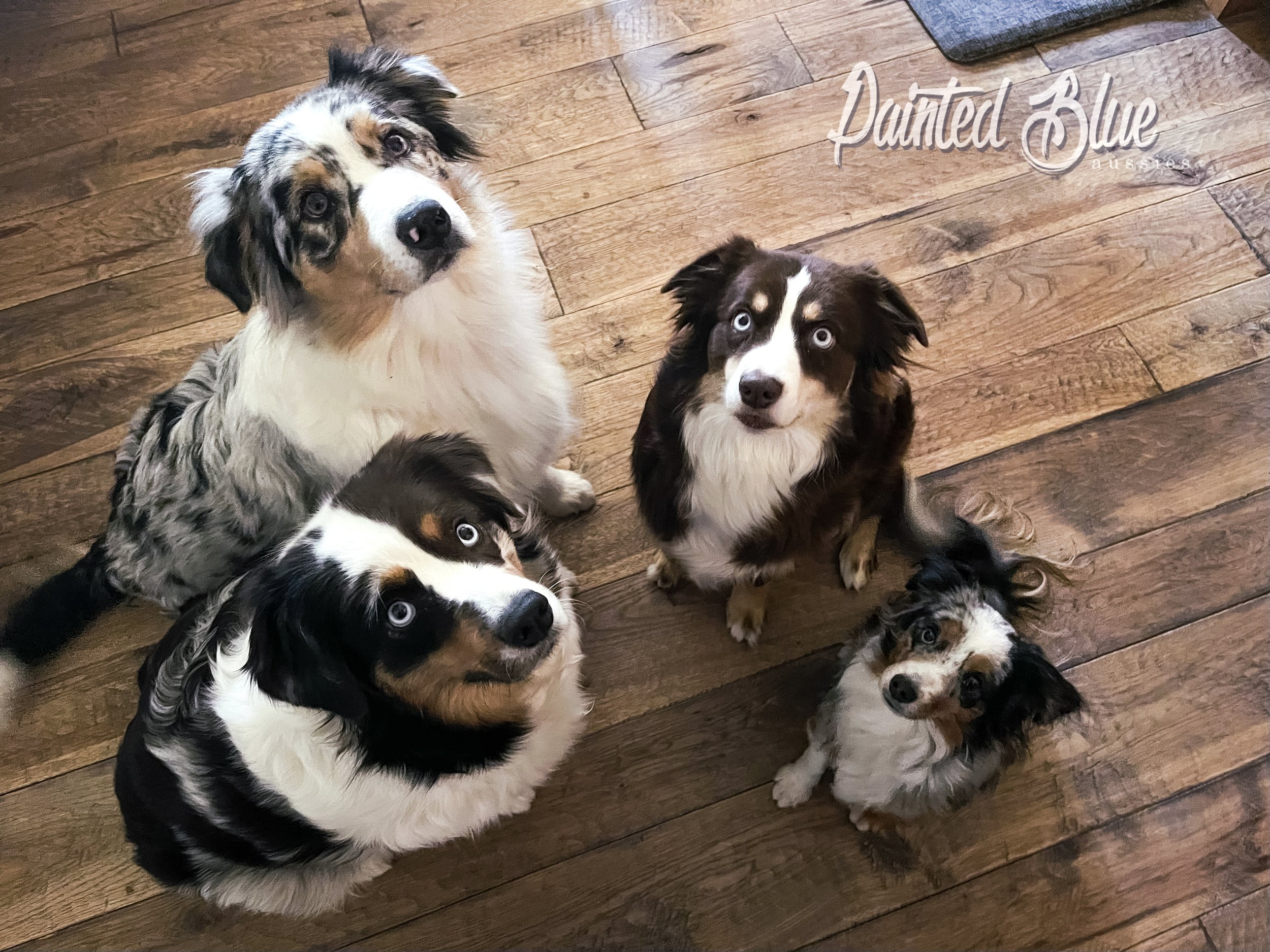
Grooming and shedding care
They may be small, but the coat is real Aussie. It is a double coat that sheds. Plan for light daily upkeep and a bigger shed twice a year.
Routine care:
- Brush two to three times per week with a slicker and an undercoat rake.
- Comb behind ears and under the arms to stop mats.
- Bathe every four to eight weeks, then dry and brush out the coat.
- Trim nails weekly and brush teeth daily.
Skip shaving the double coat. It can harm texture and heat control. A tidy trim on feet, hocks, and sanitary areas is fine for a teacup toy aussie full grown.
Home safety, travel, and lifestyle fit
Small dogs face big-world risks. Simple changes keep a teacup toy aussie full grown safe.
At home:
- Use ramps to couches and beds to protect joints.
- Block steep stairs until the dog is grown and steady.
- Store bags, cords, and small toys out of reach.
Out and about:
- Use a well-fitted Y-harness and a 4 to 6 foot leash.
- Watch for large dogs and hawks in open spaces.
- Use a crash-tested car harness or booster with seatbelt.
Travel is often easy. Many airlines allow small dogs in-cabin. Practice calm crate time and short trips so your dog handles change with grace.
Cost of ownership and lifespan
Plan a budget before you fall in love. A teacup toy aussie full grown from health-tested lines often costs more up-front, but you may save in vet bills later.
Typical costs:
- Purchase or adoption fee.
- Initial vet visits, vaccines, spay or neuter, microchip.
- DNA and eye exams, patella checks.
- Food, puzzles, bed, crate, harness, and training.
Many small herding dogs live 12 to 15 years with good care. Insurance can help with surprise costs. Ask for policies that cover genetic issues.
Common myths and realities
Let’s bust a few myths I hear every week.
- Myth: Teacup means low exercise needs. Reality: A teacup toy aussie full grown still needs daily work for mind and body.
- Myth: Smaller is always healthier. Reality: Extreme downsizing can raise orthopedic and dental risk.
- Myth: They are hypoallergenic. Reality: They shed with a double coat.
- Myth: They are easier to train. Reality: They are smart but intense. Clear rules and short sessions win.
- Myth: Any small Aussie is a teacup. Reality: Teacup is not a formal class. Focus on health and structure first.
Frequently Asked Questions of teacup toy aussie full grown
What size is a teacup toy Aussie full grown?
Most stand about 8 to 10 inches at the shoulder and weigh 6 to 12 pounds. Some may fall just outside that range based on genetics and build.
When does a toy Aussie reach full adult size?
Most hit adult height by 6 to 8 months and fill out by 9 to 12 months. Growth can vary, so track weight and body condition with your vet.
Are teacup toy Aussies good apartment dogs?
Yes, if you commit to daily walks and brain games. Their energy is real, but you can meet it with planned sessions.
How much exercise does a teacup toy aussie full grown need?
Plan for 45 to 90 minutes a day, split into short blocks. Include mental work like scent games and trick training.
Are teacup toy Aussies healthy?
They can be, but tiny size can add risks like patella issues and dental crowding. Choose health-tested parents and keep vet checks regular.
Do they shed a lot?
They shed year-round with heavier seasonal sheds. Brush two to three times a week and more during big sheds.
What should I feed a full-grown teacup toy Aussie?
Use a small-breed adult formula with quality protein and small kibble. Split meals and keep treats to under 10 percent of calories.
Conclusion
A teacup toy aussie full grown is a clever, compact herder with a big heart. With smart training, steady exercise, and solid health care, you get the best of Aussie brains in a small frame. Focus on ethical breeding, daily enrichment, and gentle structure, and your tiny partner will thrive.
Ready to take the next step? Make a checklist from this guide, talk with a reputable breeder or rescue, and plan a routine that fits your life. If this helped, share it with a friend, subscribe for more small-dog guides, or drop your questions in the comments.