Weiman stainless steel cleaner ingredients typically include water, mineral oil, solvents, silicone, surfactants, fragrance, and preservatives.
If you want spotless steel without streaks, it pays to know what is inside your bottle. In this guide, I break down weiman stainless steel cleaner ingredients in plain English, show how they work, and share tested tips from years of home and pro use. You will walk away ready to clean smarter, safer, and with better shine.
What Are the Weiman Stainless Steel Cleaner Ingredients?
Weiman makes several stainless products. The base idea is the same. You get a water phase that helps wet the surface, plus oils and silicone that leave a thin, shiny shield. There are also small amounts of cleaners, fragrance, and a preservative to keep the formula stable.
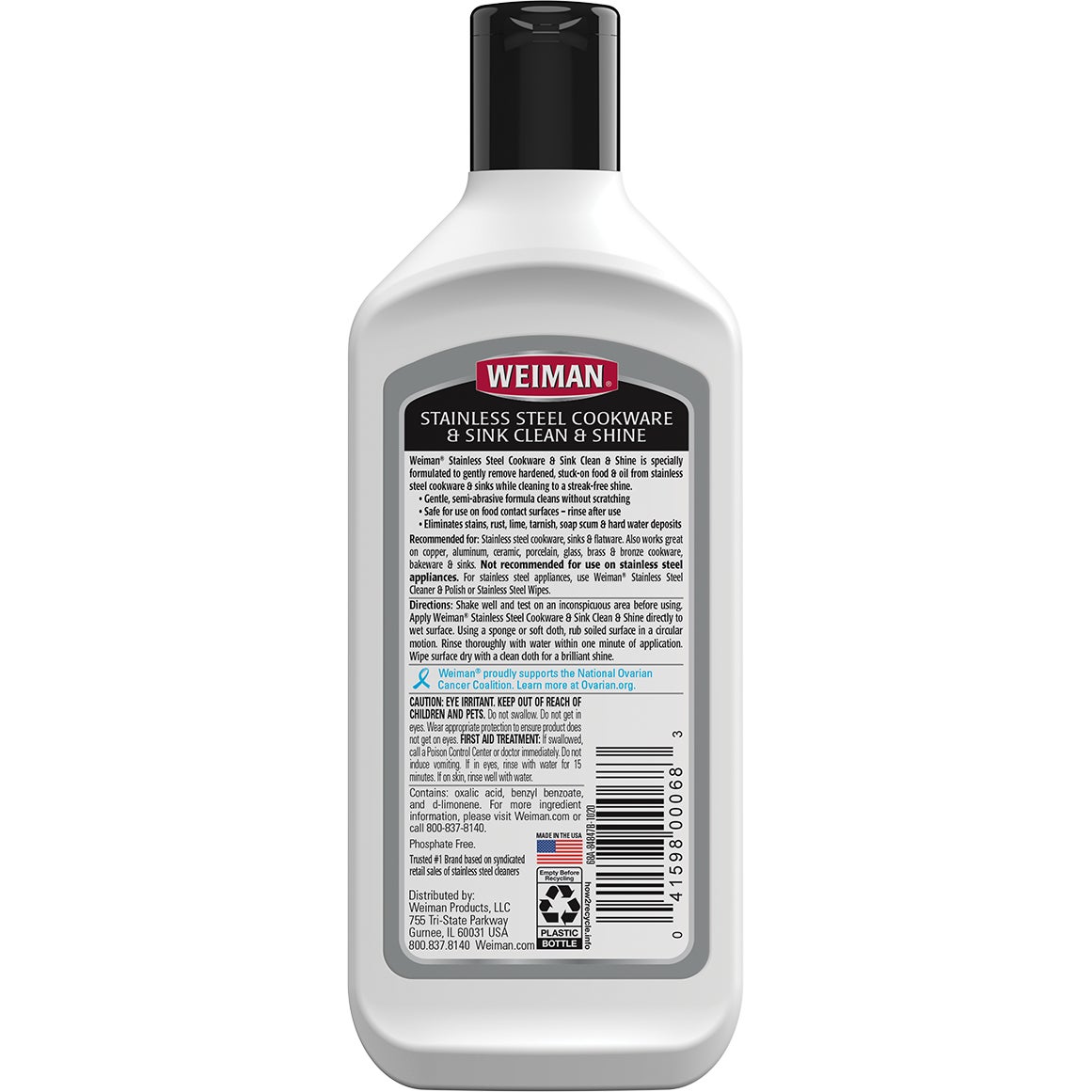
Across public safety data sheets and ingredient portals, you will often see the same broad groups. These include water, isoparaffinic petroleum solvents, white mineral oil, silicone oil, mild nonionic surfactants, chelators, pH adjusters, fragrance, and a preservative. Propellants are added in the aerosol. Actual amounts vary by product type and region.
If you are scanning labels, look for words like mineral oil, petroleum distillates, polydimethylsiloxane, alcohol ethoxylates, and benzisothiazolinone. These are common in weiman stainless steel cleaner ingredients and match the performance you expect. The mix gives fast clean, deep shine, and a barrier that resists fingerprints.

Ingredient-by-Ingredient Breakdown
Here is a friendly rundown of what you are likely to find when you study weiman stainless steel cleaner ingredients. I group them by function so it is easy to match to real-world results.
Solvents and Oils
These dissolve greasy films and help spread the polish layer.
- Isoparaffinic petroleum solvents. These are light, low-odor carriers that lift oils and make wipe-off smooth.
- White mineral oil. This leaves a thin, glossy film that hides micro-scratches and slows new smudges.
Silicone for Shine and Streak Resistance
This is the hero for that showroom look.
- Polydimethylsiloxane. A silicone oil that levels out streaks, adds slip, and boosts gloss on brushed steel.
Surfactants and Wetting Agents
These help water sheet and move soil.
- Nonionic surfactants such as alcohol ethoxylates. They break surface tension and help remove food smears and light grime.
Chelators and pH Adjusters
These keep the clean even when water is hard.
- Chelating agents like EDTA types. They tie up minerals so you do not see spots.
- pH adjusters like mild acids or bases. These hold a near-neutral pH to protect steel.
Fragrance and Preservatives
These keep the product pleasant and safe to store.
- Fragrance. A light scent that fades fast after wipe-down.
- Preservatives such as benzisothiazolinone or methylisothiazolinone at very low levels. These prevent spoilage, which is key in water-based mixes.
Aerosol-Only Extras
If you use the spray can, you may see these.
- Propellants like propane or isobutane. They push the product out in a fine mist.
Formulas can change. Brands tune them over time to meet rules and improve user feel. Still, this map reflects the core weiman stainless steel cleaner ingredients that drive results for fridges, ovens, and dishwashers.

How The Formula Works On Stainless Steel
Think of your steel as a mirror with tiny grooves. Daily life fills those grooves with oils and dust. The solvents in weiman stainless steel cleaner ingredients lift the grime. Surfactants help water lay flat and carry soil off. Then silicone and mineral oil glide into the grooves to level the look.
That thin protective film is why you see fewer prints after you clean. It also helps your next wipe take half the effort. On brushed finishes, the film reduces haze and makes the grain pop. Used right, the formula cleans, shines, and shields in one pass.

Safety, Allergies, and Environmental Notes
Most household users find these products low odor and easy to use. Still, you should know what is inside. Petroleum solvents and mineral oil are flammable in bulk, and aerosols add extra vapor. Vent the room and avoid open flames during and right after use.
If you have sensitive skin or scent triggers, spot test first. Some people react to isothiazolinone preservatives or certain fragrance blends. Gloves help if you clean often. From an eco view, avoid over-spray, wipe with reusable cloths, and do not dump leftovers. Check local rules for aerosol disposal.
For peace of mind, compare your bottle’s lot code to the maker’s safety info. This confirms the current weiman stainless steel cleaner ingredients for your exact SKU. It also shows hazard icons, first aid steps, and more.

Spray, Wipes, or Aerosol: Ingredient Differences
The wipes use a similar liquid but in a pre-moistened cloth. They are great for quick passes on fridge doors. You may see a bit more silicone or oil for even glide. The trigger spray is water-based and easy to dose on a microfiber towel.
The aerosol atomizes the same core mix with propane or isobutane as propellants. It lays down a very thin, even layer, which can cut streaks on large doors. If you live in a small space, the trigger spray may be the better match due to lower vapor.
No matter the format, the backbone holds. You still get the same families of weiman stainless steel cleaner ingredients that lift, level, and protect. Pick the format that fits your space, speed, and scent needs.
How To Verify Weiman Stainless Steel Cleaner Ingredients Yourself
You can check the exact list in minutes. Start with the back label. Scan for the generic names and any warnings. Then search the product’s safety data sheet for your region and finish type. It shows ingredient classes, typical ranges, and hazards.
If you want more detail, look for consumer ingredient disclosure pages. These sources confirm the broad groups I noted for weiman stainless steel cleaner ingredients. They also explain why each class is present. Keep in mind that small tweaks happen to meet new rules or improve performance.
If you see a mismatch between your label and online lists, trust the label. It ties to your lot. Save a photo of it for future reference. It helps if you ever need support or have a reaction to a certain ingredient.

Smudge-Free Results: Pro Tips From Real-World Use
I have used this cleaner on dozens of rentals and many home kitchens. The big lesson is to treat it like polish, not a heavy-duty degreaser. You will get the best look with less product and a dry buff at the end.
Try these steps for a streak-free shine.
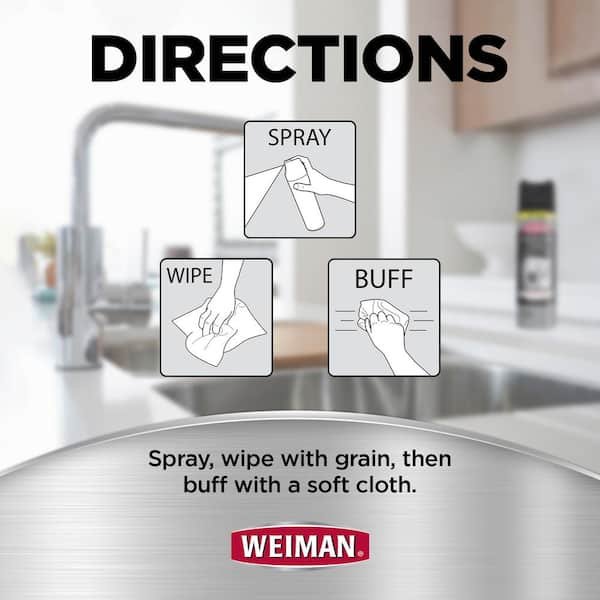
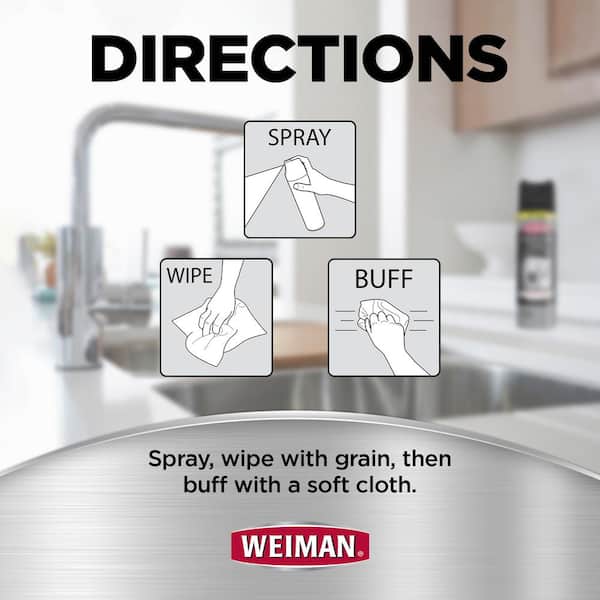
- Spray the product onto a microfiber towel, not the surface. This controls the amount.
- Wipe with the grain in straight lines. Do not swirl.
- Flip to a dry side and buff. This levels the silicone and oil film.
- For heavy prints, do a warm water wipe first. Then apply the cleaner.
- Finish handles and corners last so you do not re-smudge them.
Used this way, the weiman stainless steel cleaner ingredients give a clean, even coat. You will see fewer touch-up passes and the finish will feel smooth, not greasy.

DIY and Low-Fragrance Alternatives
Want fewer additives or less scent? You can get close with simple supplies. A mild dish soap in warm water breaks fresh grease. Follow with a few drops of food-grade mineral oil on a cloth. Wipe with the grain, then buff dry.
These swaps will not match the anti-smudge power of silicone. But they do work well for scent-sensitive homes. You can also rotate use. Do a soap-and-water pass most days. Use the polish step weekly. That way you still benefit from the weiman stainless steel cleaner ingredients without daily exposure.
If you choose plant-based sprays, read the label with the same care. Surfactants and preservatives vary. The goal is the best shine with the fewest trade-offs for your needs.

Frequently Asked Questions of weiman stainless steel cleaner ingredients
Are weiman stainless steel cleaner ingredients safe for food-contact areas?
Use on exteriors only, then buff well. For cutting boards or direct food zones, use a food-safe cleaner and rinse with water.
Do the ingredients leave a residue?
Yes, a very thin film from mineral oil and silicone remains to resist smudges. Buff with a dry cloth for the best feel and look.
Can I use it on black stainless?
Yes, but test a small spot first and wipe with the grain. Black stainless often has a coating, so gentle pressure is best.
Are there allergens in weiman stainless steel cleaner ingredients?
Some people react to fragrance or isothiazolinone preservatives. If you are sensitive, wear gloves and choose a low-scent area to test.
Is the aerosol formula different from the trigger spray?
The core cleaning and polishing agents are similar. The aerosol adds propellants for a finer mist and thinner, even coverage.
Will the ingredients damage brushed finishes over time?
Not when used as directed. The formula is near neutral and relies on light oils and silicone, which are gentle on brushed steel.
Can I mix this cleaner with other products?
Do not mix with other cleaners. Use on a clean, dry surface and follow with a dry buff for the best results.
Conclusion
Knowing weiman stainless steel cleaner ingredients helps you clean with intent. You now understand what each part does, how it protects steel, and how to get a flawless finish. Use less product, wipe with the grain, and finish with a dry buff for pro results.
Take a minute to check your label and safety sheet so you can tailor use to your home. If this helped, share it with a friend, subscribe for more practical guides, or drop a question in the comments.