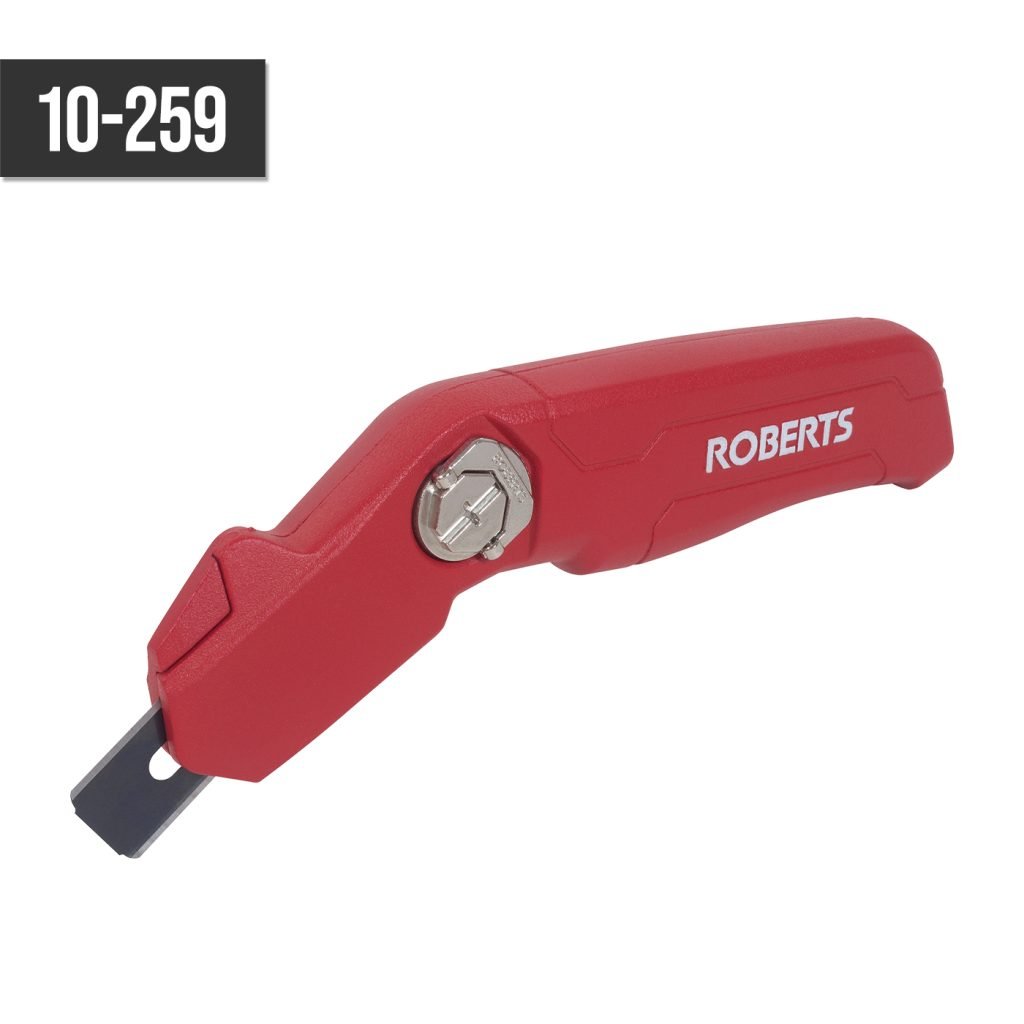
A carpet knife is a small, razor-sharp tool made to cut and trim carpet.
If you’ve ever wondered what is a carpet knife and why pros swear by it, you’re in the right place. I’ve installed and repaired carpets for years, and this compact tool has saved me time, money, and stress. In this friendly guide, I’ll break down what is a carpet knife, how it works, and the simple steps and safety habits that make clean cuts easy.
Understanding what is a carpet knife
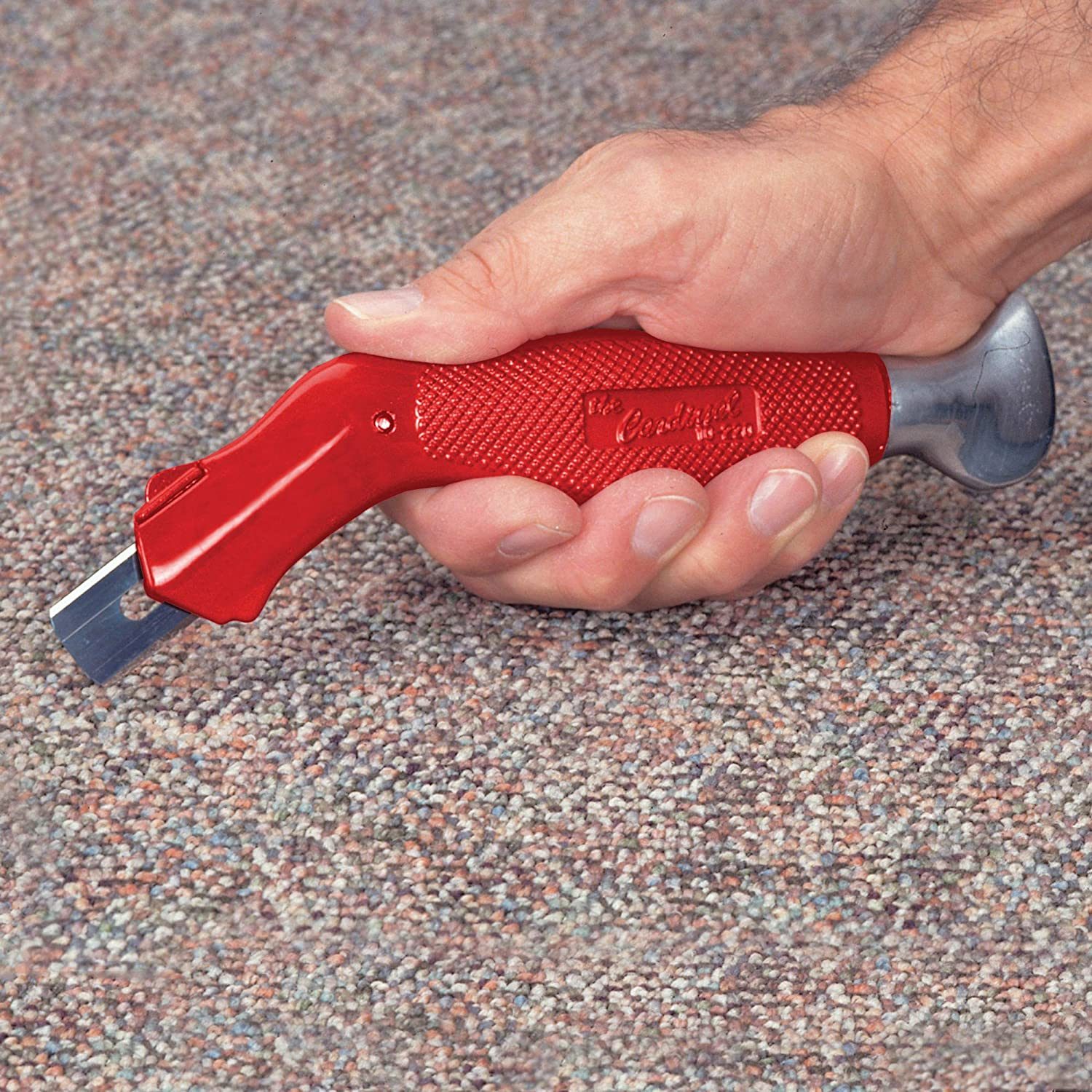
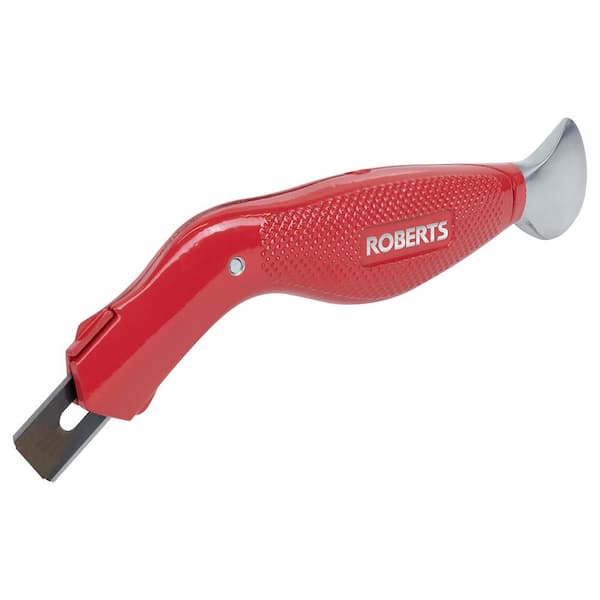
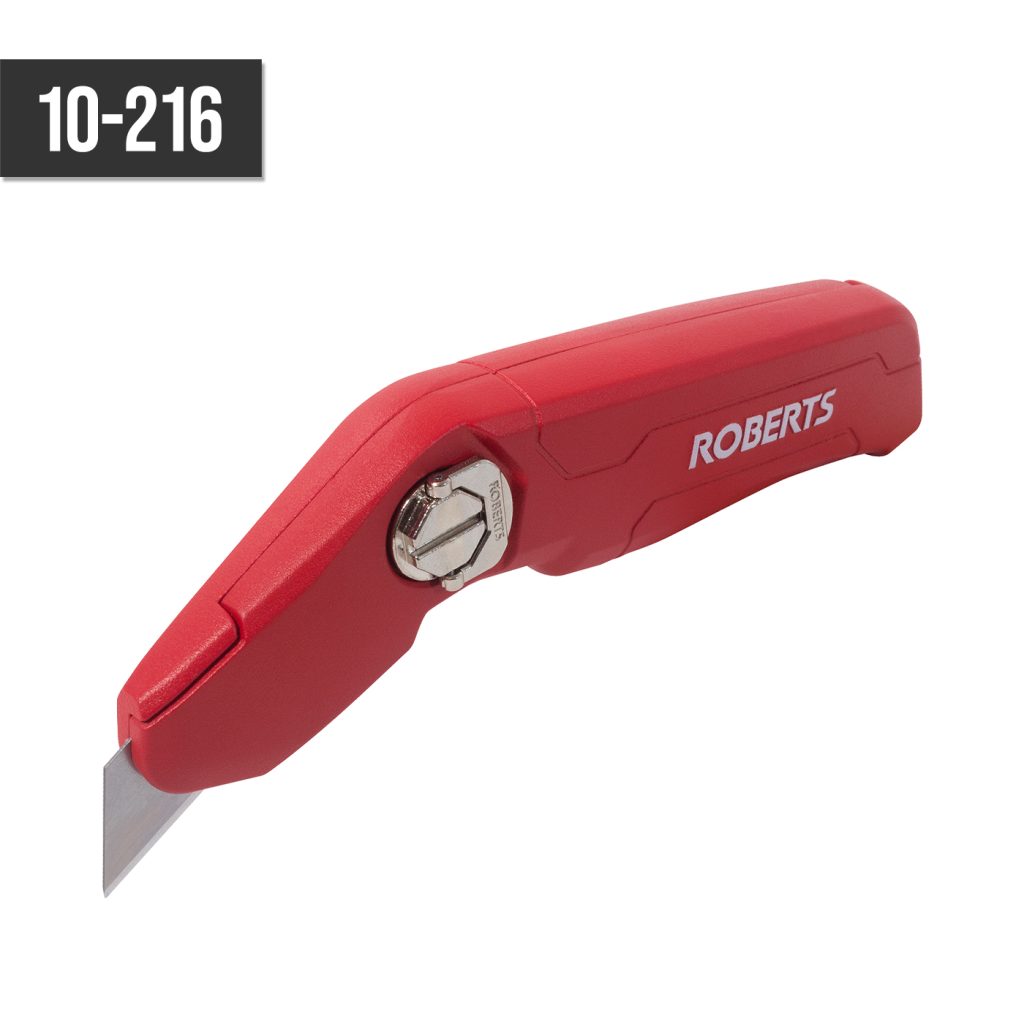
At its core, what is a carpet knife? It’s a handheld cutter with a sharp, replaceable blade that slices through carpet, padding, and backing with control. It’s built for clean edges and tight spaces, like stairs and doorways. Unlike a basic utility knife, it uses blades and shapes made for carpet fibers and backing.
When clients ask me what is a carpet knife good for, I say it gives precise cuts with less snagging. The handle is shaped for a steady grip. The blade is short and stout for control. Many models add safety locks and quick-change buttons for fast blade swaps.
If you’ve searched what is a carpet knife before starting a DIY project, think of it like a scalpel for floors. It helps you trim seams, notch around vents, and shape edges that look pro-made.
Key parts and blade designs
To understand what is a carpet knife at a deeper level, it helps to know the parts.
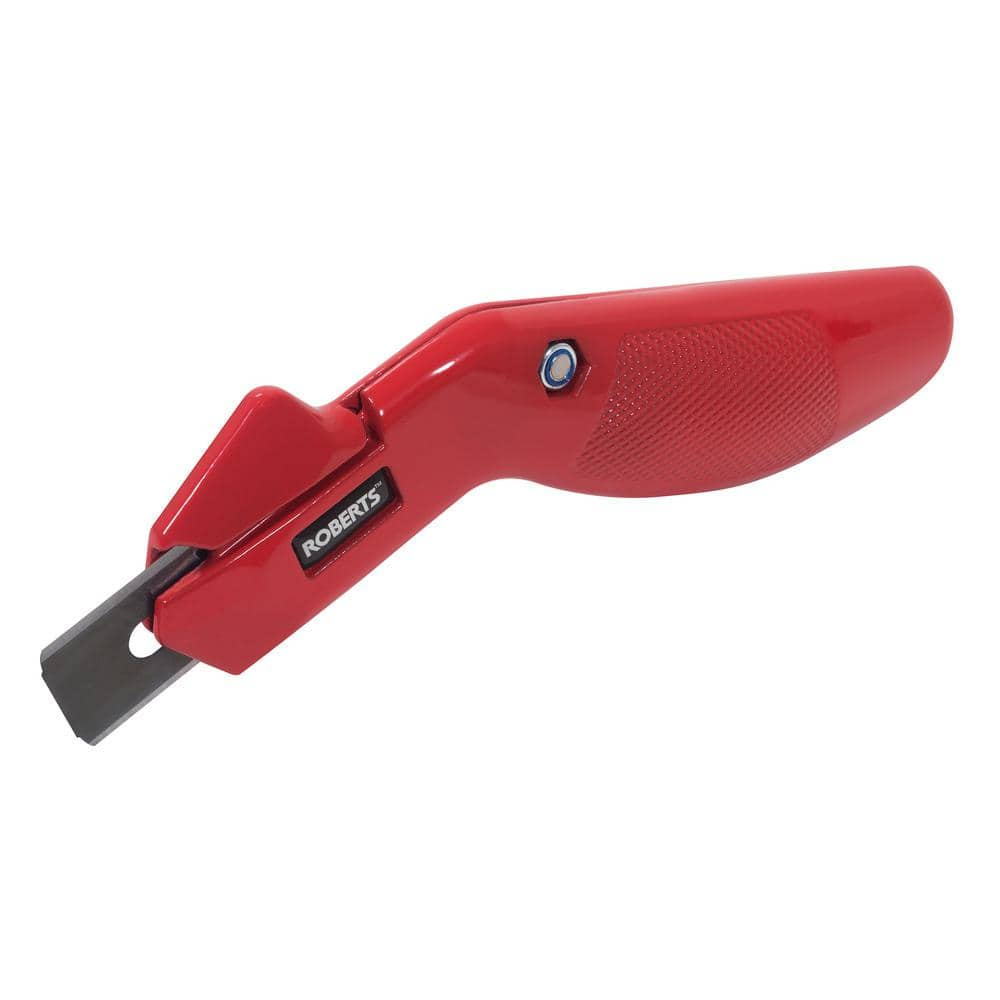
- Handle The body you hold, often metal or tough plastic, shaped for grip.
- Blade holder The slot that clamps the blade in place, designed to reduce wobble.
- Locking mechanism A switch or screw that keeps the blade secure.
- Blade storage Some models store spare blades in the handle.
- Safety features Retractable tips, finger guards, or locking folds.
Common blade designs include:
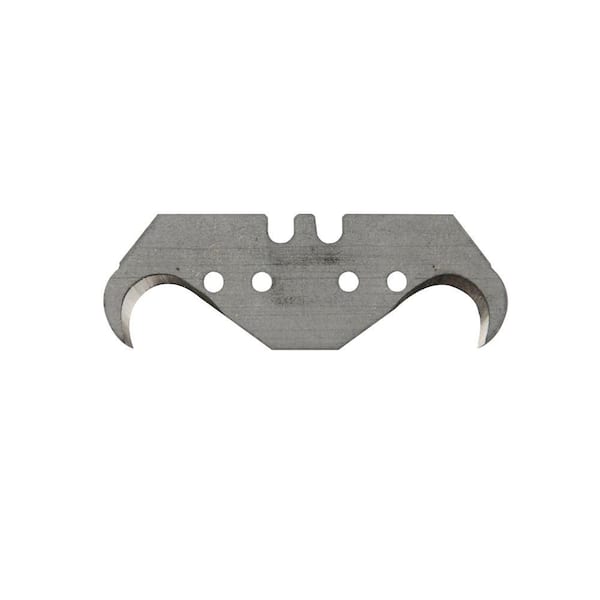
- Hooked blades Great for cutting the backing from the top without tearing fibers.
- Straight or trapezoid blades Good for precise cuts on the back of carpet and padding.
- Snap-off blades Handy for quick refresh, but less rigid for thick pile.
Most blades use high-carbon steel for sharpness. Some use stainless steel to resist rust. In my work, I swap to a hooked blade for old, matted carpet. I use a straight blade for long, straight cuts on new rolls.
Types of carpet knives and when to use each
If you ask what is a carpet knife in terms of types, here are the common ones and how I use them.
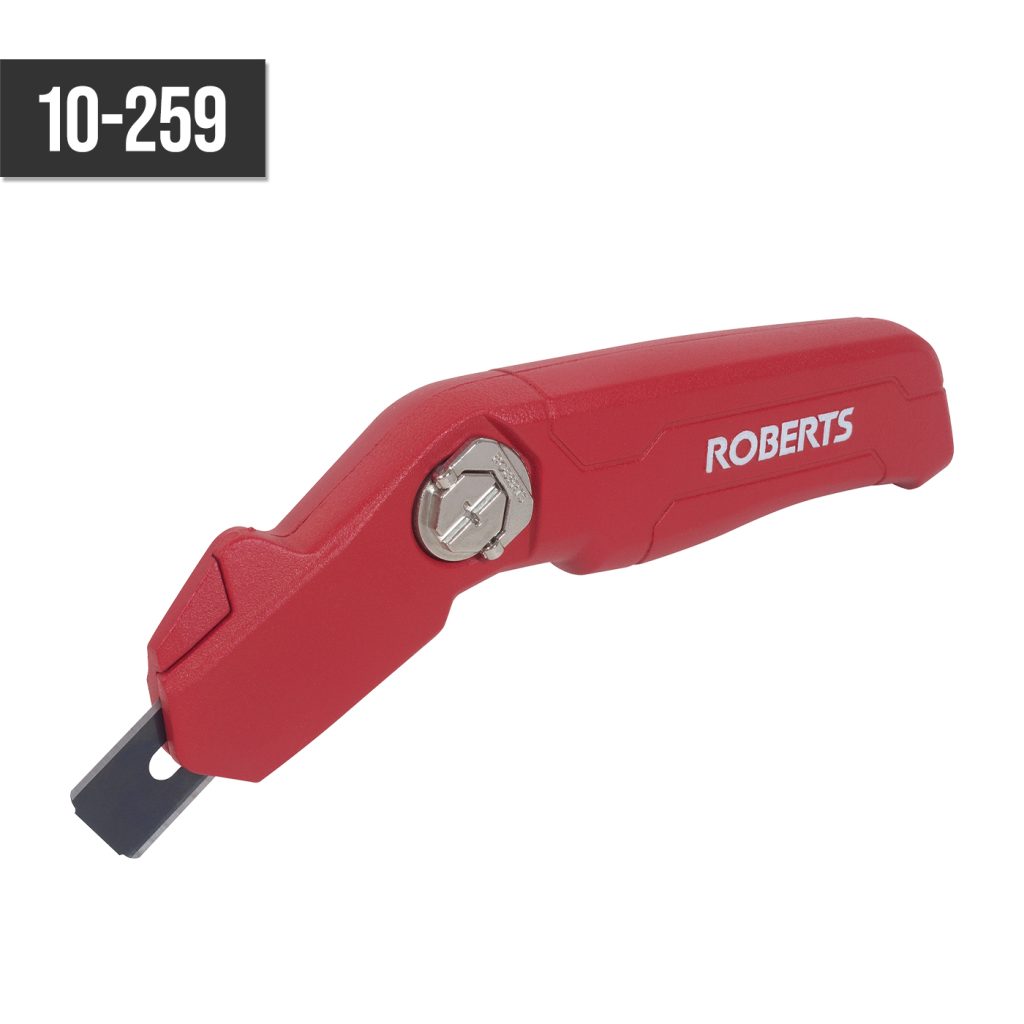
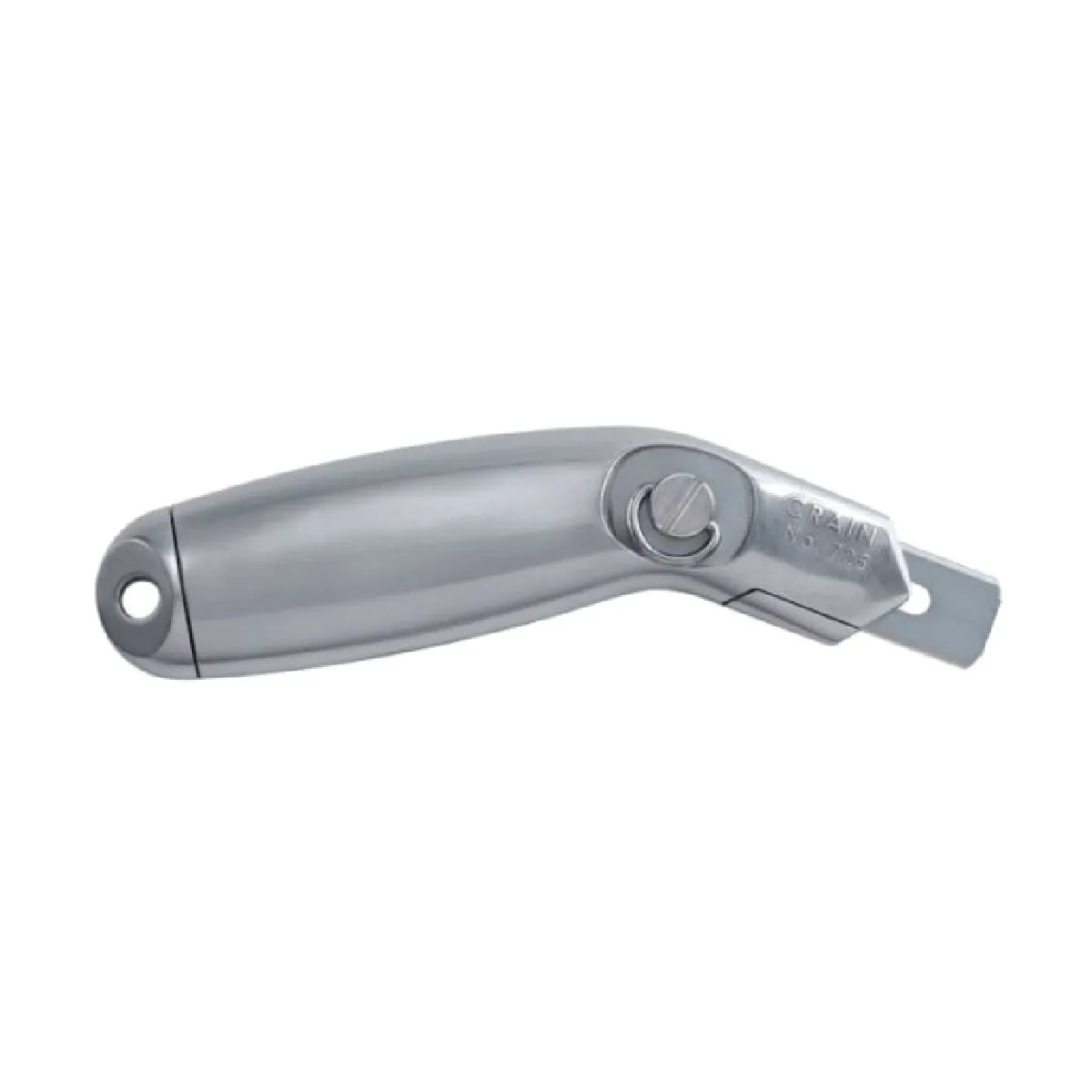
- Fixed-handle carpet knife Best for heavy work. Fewer moving parts. Very stable.
- Folding carpet knife Great for on-the-go tasks. Safer to pocket. Easy storage.
- Retractable utility-style with hook blades Versatile for mixed jobs. Good if you cut other materials too.
- Loop-pile or top cutters Designed to slice the backing from the top with less fiber pull.
- Specialty stair and seam cutters Built to follow edges and seams with a guided path.
For large rooms, I prefer a fixed-handle model. For small fixes or tight closets, a folding knife is fine. When someone asks me what is a carpet knife they should buy first, I suggest a retractable model that fits hook and straight blades.
What is a carpet knife used for? Practical jobs and techniques
The most common jobs include:
- Trimming edges at walls and baseboards.
- Cutting around vents, door frames, and floor posts.
- Fitting carpet on stairs and landings.
- Slicing padding and underlayment cleanly.
- Shaping carpet tiles and artificial turf.
Basic straight cut on the carpet back:
- Flip the carpet so the backing faces up.
- Mark a line with a marker and straightedge.
- Make a light scoring pass along the line.
- Make one or two more passes until the cut is clean.
Neat top cut with a hook blade:
- Lay the carpet face up.
- Pull the blade toward you with light pressure.
- Let the hook grab the backing while fibers stay smooth.
Pro tips I use during installs:
- Change dull blades fast to avoid fuzz and tears.
- Cut in shallow passes. Let the blade do the work.
- Use a straightedge or metal ruler for clean lines.
- Keep a trash-safe blade container on hand.
If a client asks me what is a carpet knife best at, I say clean, controlled cuts that help seams blend and corners sit tight.
Safety tips for using a carpet knife
What is a carpet knife without a safety plan? A risk. Here’s how I stay safe on every job.
- Always retract or fold the blade when you pause.
- Wear cut-resistant gloves and knee pads.
- Cut away from your body, hands, and knees.
- Make shallow passes. Do not force the blade.
- Keep a clean floor. Scraps underfoot cause slips.
- Dispose of blades in a hard, sealed container.
If adhesive builds up on the blade, stop and clean it. Gunk makes the blade skid. That is when slips happen.
Maintenance, blade changes, and sharpening
The short answer to what is a carpet knife maintenance routine: simple and steady. Replace blades often. I change blades every room or sooner if I feel drag. Signs of a dull blade include fuzzed edges, frayed fibers, and extra force.
Cleaning tips I use:
- Wipe blades with a safe solvent to remove glue.
- Dry blades and handle to avoid rust.
- Lubricate the hinge or lock with a tiny drop of oil.
Can you sharpen? Most carpet knife blades are disposable. You can hone a fixed blade a few times, but a new blade is safer and cheap. Always toss used blades in a rigid container so no one gets cut.

How to choose the right carpet knife
When people ask what is a carpet knife they should buy, I look at the job and the user.
- Job type Big rooms need stable, fixed handles. Small fixes can use folding models.
- Blade style Hooked for top cuts, straight for backing cuts.
- Comfort Try a few grips. Your hand should relax, not tense.
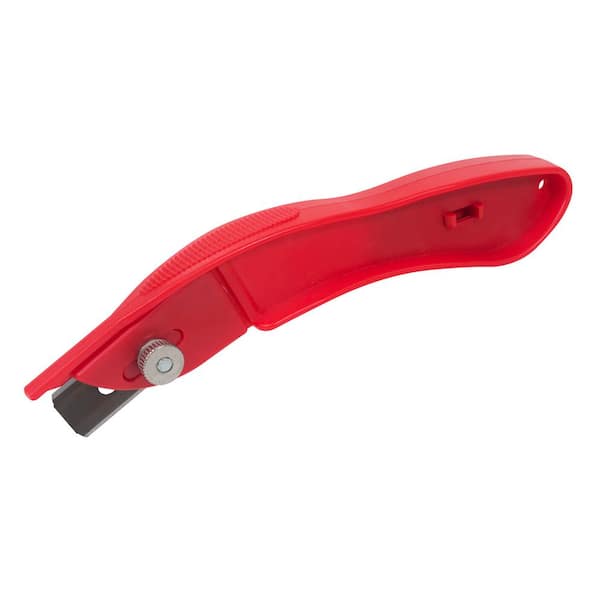
- Safety Good locks, easy retract, and solid blade clamp matter.
- Visibility Choose bright handles so you spot it on the floor.
- Budget You do not need a premium tool to get pro cuts. Spend on good blades.
I like knives that swap blades fast and lock tight. That combo speeds work and cuts straighter.
Common mistakes to avoid with a carpet knife
What is a carpet knife mistake I see most? Using a dull blade. It ruins edges and takes more effort.
Other mistakes to avoid:
- Cutting from the face on long runs Use the back to protect fibers.
- Pushing too hard Let the blade slice in passes.
- Skipping a straightedge Lines wander without a guide.
- Ignoring safety locks Retract or fold the blade during breaks.
- Using the wrong blade Hooked for top cuts, straight for back cuts.
These small tweaks keep cuts clean and stress low.
Alternatives and related tools
When someone asks what is a carpet knife versus other tools, I compare options.
- Standard utility knife Works in a pinch, but may snag fibers without a hook blade.
- Carpet shears Good for small trims and fibers on stairs.
- Seam cutter Made to split rows and prep seams with precision.
- Stair tool and kicker Not cutters, but help set edges and stretch carpet.
- Oscillating multi-tool Good for trim and thresholds, not for most carpet cuts.
Use the carpet knife for most cutting. Bring in the other tools to shape, fit, and finish.
Frequently Asked Questions of what is a carpet knife
What is a carpet knife compared to a utility knife?
A carpet knife has blade shapes made for carpet, like hooked tips. A utility knife can work, but it may snag or fray without the right blade.
Is a carpet knife only for carpet?
No. It also cuts padding, felt, turf, and roofing shingles in a pinch. That said, use the right blade and make light passes.
Which blade is best for thick carpet?
Use a hooked blade for top cuts and a straight blade for backing cuts. Change blades often to keep cuts smooth on dense pile.
How often should I change carpet knife blades?
Change them as soon as you feel drag or see fuzzed edges. On a full room, I swap at least once, often more.
Can I sharpen a carpet knife blade?
Most blades are disposable and work best when replaced. You can hone lightly, but a new blade is safer and gives cleaner cuts.
Is a carpet knife safe for beginners?
Yes, with good habits and a slow pace. Use gloves, retract the blade when idle, and cut in shallow passes.
Conclusion
Now you know what is a carpet knife and why it’s a go-to tool for clean, pro-looking cuts. With the right blade, a steady grip, and safe habits, you can shape carpet edges, stairs, and seams with ease. Start small, swap dull blades fast, and let the knife do the work.
Ready to level up your flooring game? Try these tips on your next project, bookmark this guide, and share your results or questions in the comments.