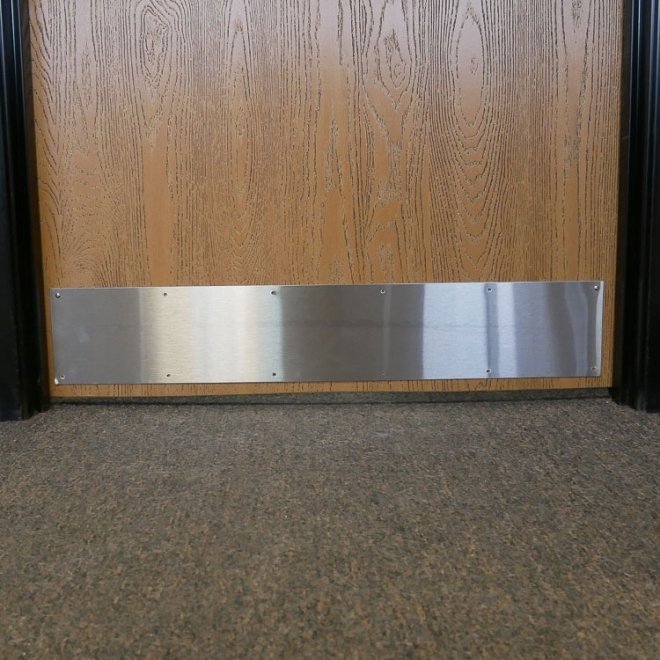
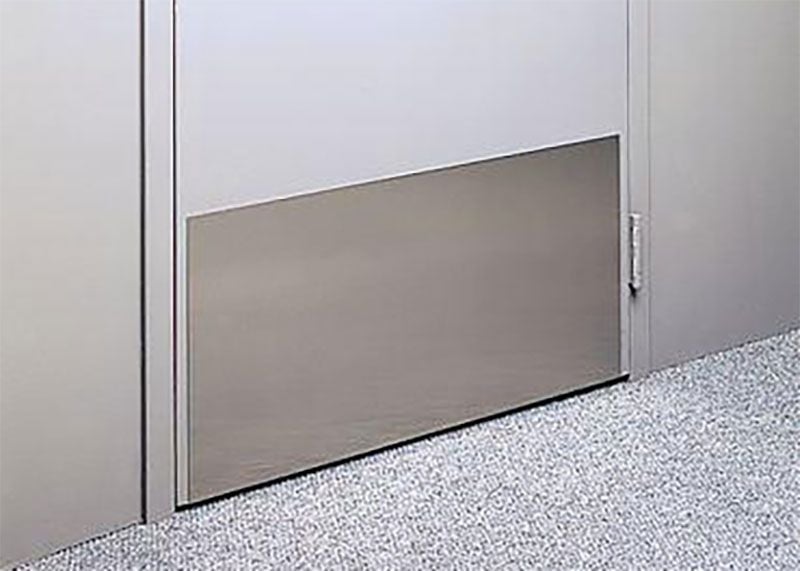
A kick plate is a protective panel fixed to the bottom of a door.
If you have ever asked what is a kick plate and why it matters, you are in the right place. I have specified, installed, and repaired them in homes and busy buildings. I will walk you through what is a kick plate, how it works, where it belongs, and how to pick the right one. You will get real tips, clear steps, and expert insight you can use today.
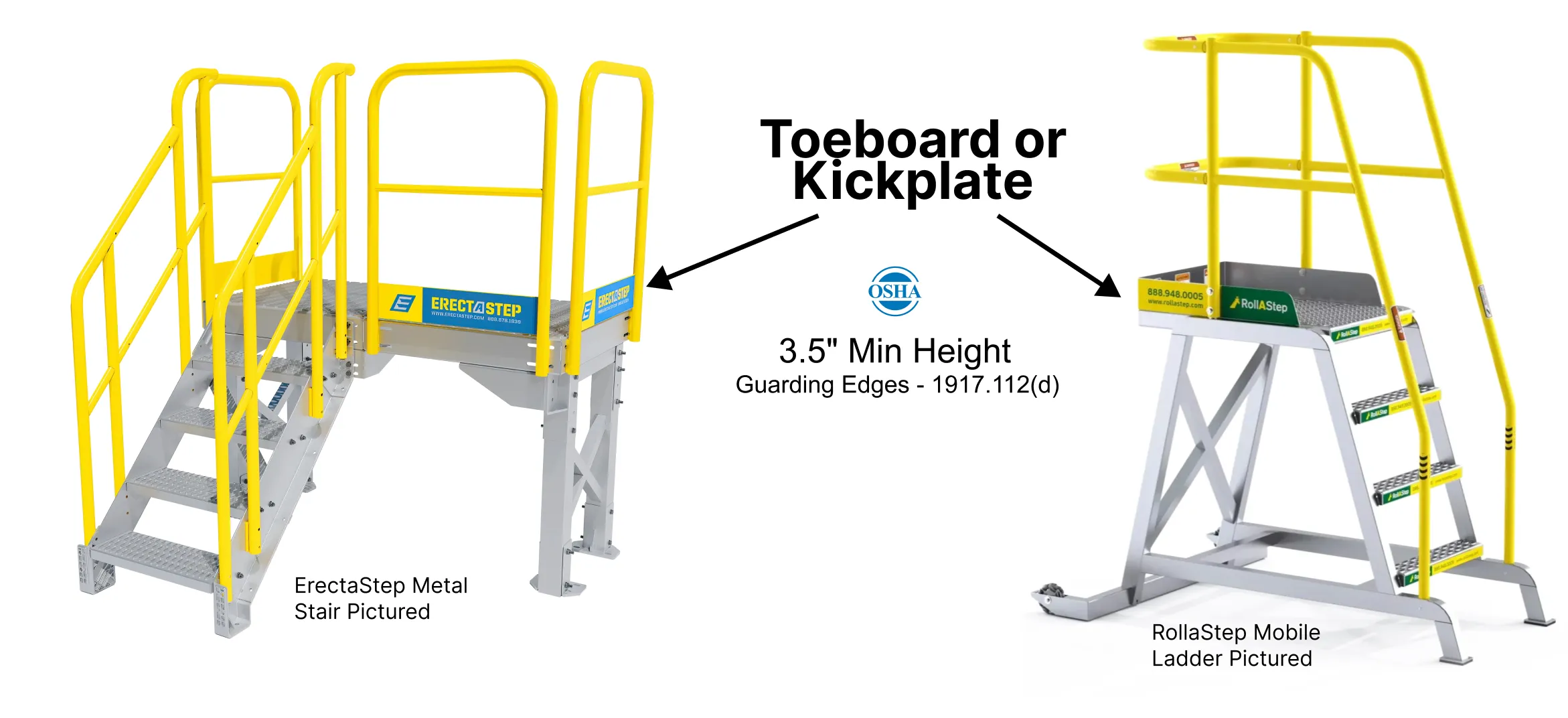
What Is a Kick Plate?
A kick plate is a thin, flat sheet that covers the lower part of a door. It guards the door face from shoes, carts, pets, and cleaning tools. It also keeps paint and veneer from chipping in high-traffic spots.
Most plates are metal, like stainless steel or brass. Some are plastic or vinyl for budget jobs. Common heights range from 6 to 16 inches. Width is usually the door width minus a small reveal at the edges. Industry trim standards, such as ANSI/BHMA A156.6, guide typical sizes and materials.
People search what is a kick plate when a door starts to look worn. Once added, the door handles dings better and stays clean longer. It is a simple fix with a big payback in both homes and businesses.

How a Kick Plate Works
A kick plate takes the force that would hit the door. Feet, mops, strollers, and carts hit the plate, not the door skin. The plate spreads the impact over a wider area.
It also forms a barrier to moisture at the bottom edge. That helps stop swelling and peeling. A stiff plate can add a touch of strength to thin doors. When set a small gap above the threshold, it will not drag or catch.
If you still wonder what is a kick plate good for, think of it as armor for daily life. It is low-cost, fast to mount, and easy to keep clean.
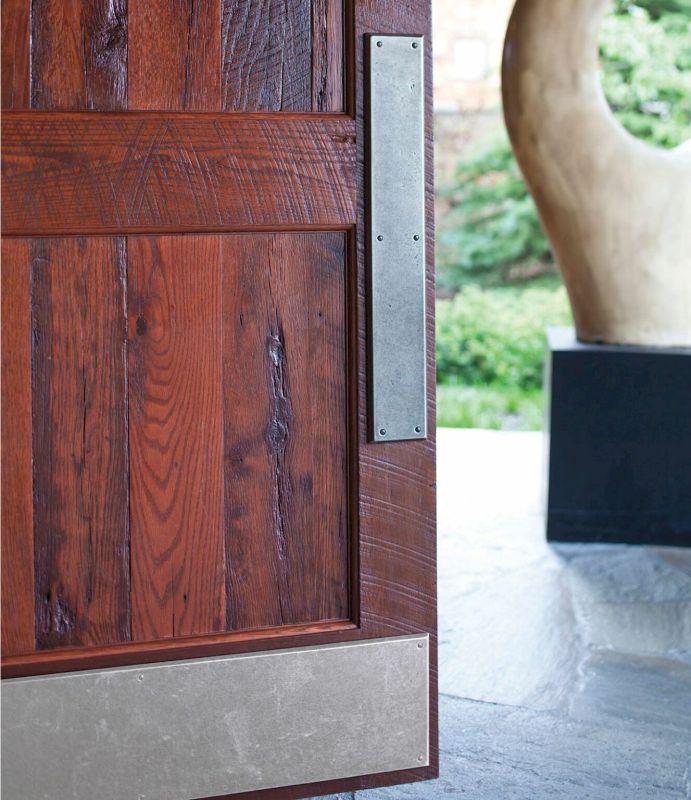
Types of Kick Plates
Materials
- Stainless steel: Tough, rust resistant, easy to sanitize. Great for kitchens and hospitals.
- Brass: Warm tone, classic look. Needs polish to avoid tarnish unless lacquered.
- Aluminum: Light, budget friendly, many finishes.
- Bronze: Rich color that ages well. Suits historic and premium spaces.
- Vinyl or ABS: Low cost, light duty, easy to cut on site.
- Acrylic or laminate: Design options and clear choices for subtle looks.
Finishes
- Brushed or satin: Hides scratches and smudges well.
- Polished: Mirror-like shine for formal entries.
- Powder-coated: Color-match doors or brand palettes.
- Oil-rubbed or antique: Aged vibe for traditional doors.
Sizes and Thickness
- Height: 6 to 16 inches is common. Higher plates protect more area.
- Width: Door width minus about 1 inch on each side for a clean reveal.
- Thickness: 0.032 to 0.050 inch for most jobs. Heavy-duty sites may use thicker stock.
Mounting Methods
- Screws: Strong and serviceable. Use finish-matched screws.
- Adhesive tape or mastic: Clean look with no holes. Prep the surface well.
- Magnetic: Fast on steel doors and easy to swap.
If your key phrase is what is a kick plate, one answer is this: a customizable shield. You can tune the material, size, and mount to fit the door, the traffic, and the style.
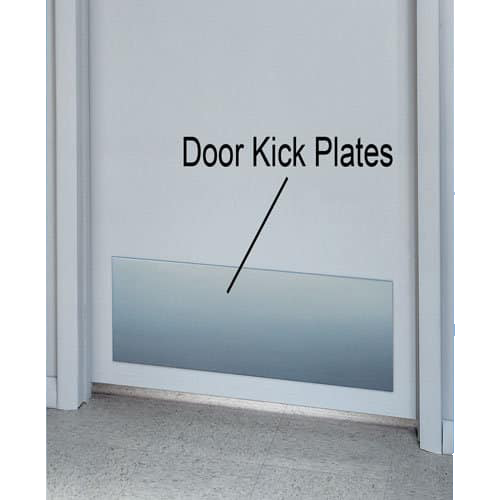
Benefits and Use Cases
- Longer door life: Stops dents, chips, and paint wear at the spot most abused.
- Cleaner look: Smudges and streaks wipe off a plate faster than paint.
- Lower costs: Fewer repaints and fewer door replacements.
- Safer workflows: Carts glide and tap the plate, not snag on soft wood or veneer.
- Hygiene: Smooth, non-porous metal is simple to sanitize.
Real-world snapshots:
- In a cafe I support, stainless plates on both sides cut repaint calls by half.
- In my home, a plate ended the pet-scratch eyesore on the back door.
- A school project used aluminum plates in halls. Doors looked fresh at year end.
Many ask what is a kick plate doing for ROI. It pays for itself fast by avoiding even one paint job.

Where to Install and Sizing Guide
Pick the side that sees impact. The push side is the default. If your dog scratches to be let in, add one on the pull side too.
Sizing tips:
- Width: Measure the door slab. Subtract about 2 inches so you have a neat reveal.
- Height: Homes often use 6 to 8 inches. Busy sites pick 10 to 16 inches. If carts hit higher, go taller.
- Clearance: Leave a small gap at the bottom so the plate does not scrape the threshold or rug.
Code notes to stay safe:
- Fire-rated doors: Protection plates up to 16 inches high are generally allowed without special listing under common fire door rules. Taller “armor plates” may need listing per NFPA 80 and local code.
- Use hardware and adhesives that do not void door labels. When in doubt, ask your door supplier.
If your search is what is a kick plate for code doors, the short answer is: it is permitted in most cases when sized and fastened right.
Installation: Step-by-Step
Tools you may need:
- Plate, matching screws or adhesive
- Tape measure, painter’s tape, pencil
- Level or straight edge
- Drill with small bit, hand screwdriver
- Degreaser and clean cloth
Steps:
- Dry-fit the plate. Mark equal reveals on each side and a small gap at the bottom.
- Clean the door face. Let it dry.
- For screws, mark holes through the plate. Use tape to hold the plate in place.
- Pre-drill shallow pilot holes if the door allows. Do not drill through the door.
- Fasten by hand to avoid stripping. Snug, not overtight.
- For adhesive, peel tape liners or spread a thin even coat. Press from center out.
- Wipe off any squeeze-out. Remove tape and check alignment.
- Open and close the door. Ensure no rubbing on weatherstrip or thresholds.
Mistakes to avoid:
- Skipping surface prep. Adhesives fail on dusty paint.
- Over-tightening screws and denting the plate.
- Forgetting the bottom gap so the plate snags rugs.
- Blocking fire labels or using unapproved fasteners on rated doors.
If you asked what is a kick plate install like, the good news is it is a 15–30 minute DIY for most doors.

Maintenance and Care
- Wipe with mild soap and water. Dry with a soft cloth.
- Use stainless cleaner for fingerprints. Avoid steel wool that can scratch.
- For brass, polish or choose lacquered brass for less upkeep.
- Re-tighten loose screws once a year. Re-stick edges if adhesive lifts.
A quick monthly wipe keeps plates looking new. If your goal is what is a kick plate routine, it is simple care that takes minutes.

Design and Aesthetics Tips
- Match finishes to hinges and levers for a pulled-together look.
- Use contrast on modern doors: black plate on white, brushed steel on charcoal.
- Historic homes shine with bronze or antique brass.
- Add branding. Many vendors can etch a logo or room name.
- In sleek spaces, a clear acrylic plate gives invisible protection.
Clients often ask what is a kick plate style rule. My rule is this: let function lead, then echo your hardware’s finish.
Cost, ROI, and When to Replace
Typical price ranges:
- Vinyl or ABS: about $15 to $30
- Aluminum: about $25 to $60
- Stainless steel: about $40 to $120
- Brass or bronze: about $80 to $200
- Custom sizes or logos: can run $100 to $400
Signs it is time to replace:
- Deep dents that catch a mop or cloth
- Loose, bent corners or peeling adhesive
- Rust or pitting that won’t clean up
If you weigh what is a kick plate worth, compare it with one paint job. One good plate can save several service calls.
Common Mistakes and How to Avoid Them
- Picking the wrong height for carts or pet scratches. Watch where marks show and size to that line.
- Mounting too close to the threshold. Leave a gap to prevent rubbing.
- Misaligned reveals that look off at a glance. Measure twice.
- Using random screws. Use finish-matched, proper length fasteners.
- Ignoring fire door rules. Keep plates within allowed heights unless listed.
Remember, what is a kick plate if not precise trim? A few careful steps make it look pro and last longer.
Frequently Asked Questions of what is a kick plate
What is a kick plate used for on a door?
A kick plate protects the bottom of a door from scuffs, scratches, and dents. It takes the daily hits from feet, carts, pets, and cleaning tools.
Should a kick plate go on the inside or outside?
Install it on the side that sees more contact, usually the push side. Add one on the pull side if pets scratch or carts bump both ways.
How high should a kick plate be?
Most homes use 6 to 8 inches, while busy buildings use 10 to 16 inches. Match the height to where marks and impacts occur.
Can I put a kick plate on a fire-rated door?
Yes, in many cases. Plates up to 16 inches high are generally allowed, but taller armor plates may require specific listings under local codes.
Do kick plates rust?
Stainless steel resists rust very well. Brass and bronze do not rust but can tarnish; aluminum avoids rust but can oxidize if uncoated.
What is the difference between a kick plate, mop plate, and armor plate?
A kick plate covers the lower area for foot traffic. A mop plate is shorter for light protection, while an armor plate is much taller for heavy cart impact.
Can I install a kick plate with adhesive only?
Yes, quality tape or mastic works on many doors if surfaces are clean and dry. Screws offer the strongest hold, especially on high-traffic doors.
Conclusion
A kick plate is small, but its impact is big. It protects the most vulnerable part of your door, cuts upkeep, and sharpens the look. Now that you know what is a kick plate, you can choose the right size, finish, and mount with confidence.
Ready to upgrade a door in minutes? Pick your plate, follow the steps here, and enjoy a cleaner, tougher entry. Want more tips like this? Subscribe, share your before-and-after, or drop a question in the comments.