A water bottle with lock and key keeps drinks secure, tamper-free, and private.
If you share spaces or travel a lot, this guide is for you. I have tested secure bottles in gyms, offices, and on long trips. Here, I break down how a water bottle with lock and key works, who needs it, and how to pick the best one for your life. You will get clear steps, real tips, and expert insight you can trust.

What is a water bottle with lock and key?
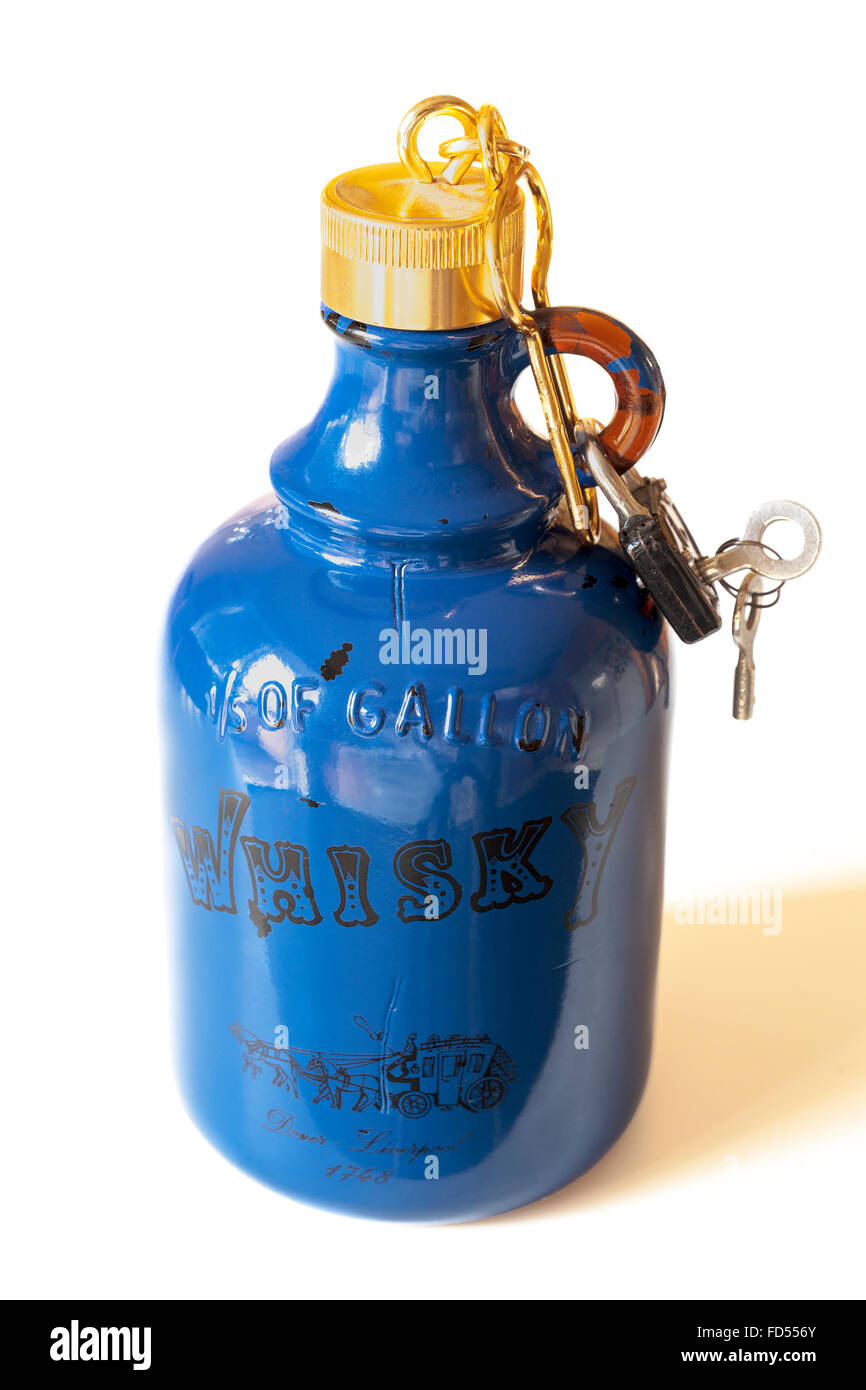
A water bottle with lock and key is a drink bottle with a lid that locks. It uses a small key or code to keep the lid shut. This stops others from sipping, spiking, or swapping your drink by mistake. It also helps prevent spills in bags and on the go.
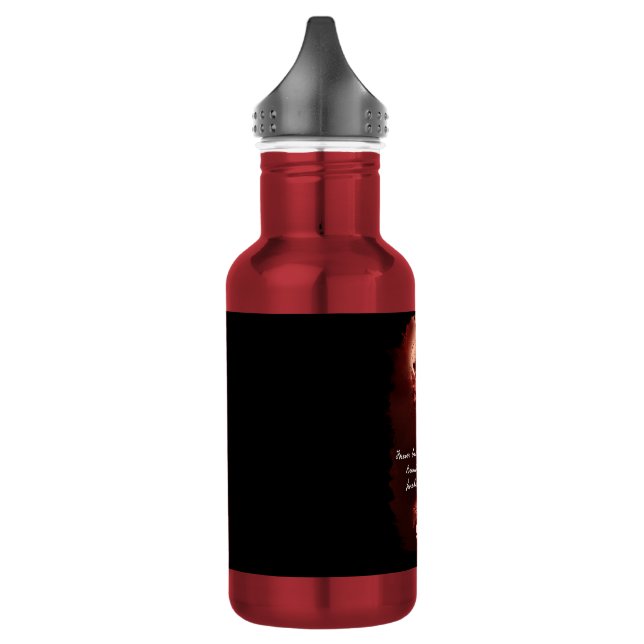
Most come in plastic or stainless steel. Some have a straw, some have a spout. The lock can be a key lock, a dial code, or a button you lock with a switch. A good water bottle with lock and key should be easy to carry, easy to clean, and hard to pry open.
Who needs a water bottle with lock and key?
Anyone who wants a safer drink in public will gain from this gear. I see the most value in these spots:
- Gyms and studios where bottles sit close together on racks.
- Offices and co-working spaces with shared fridges or desks.
- Schools and campuses to prevent pranks or mix-ups.
- Travel days with bags in overhead bins or checked by staff.
- Festivals, parks, and team sports where bottles get moved around.
- Homes with curious kids or pets who knock things over.
If you stick to a clean diet, fast, or track intake, a water bottle with lock and key adds control. It keeps your plan on track, even when life gets loud.
Lock types and lid designs
Lock type sets the tone for ease and safety. Here are the common ones I trust:
- Keyed lock Small key opens a latch in the cap. Simple and strong. Keep a spare key.
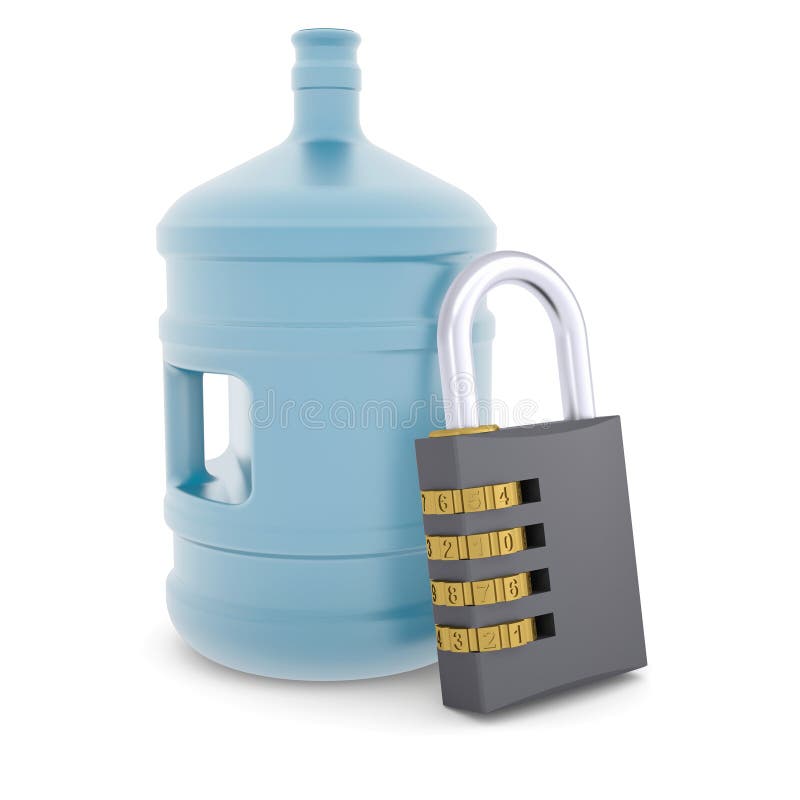
- Combination dial Numbers unlock the lid. Great for folks who lose keys. Set a code you can recall fast.
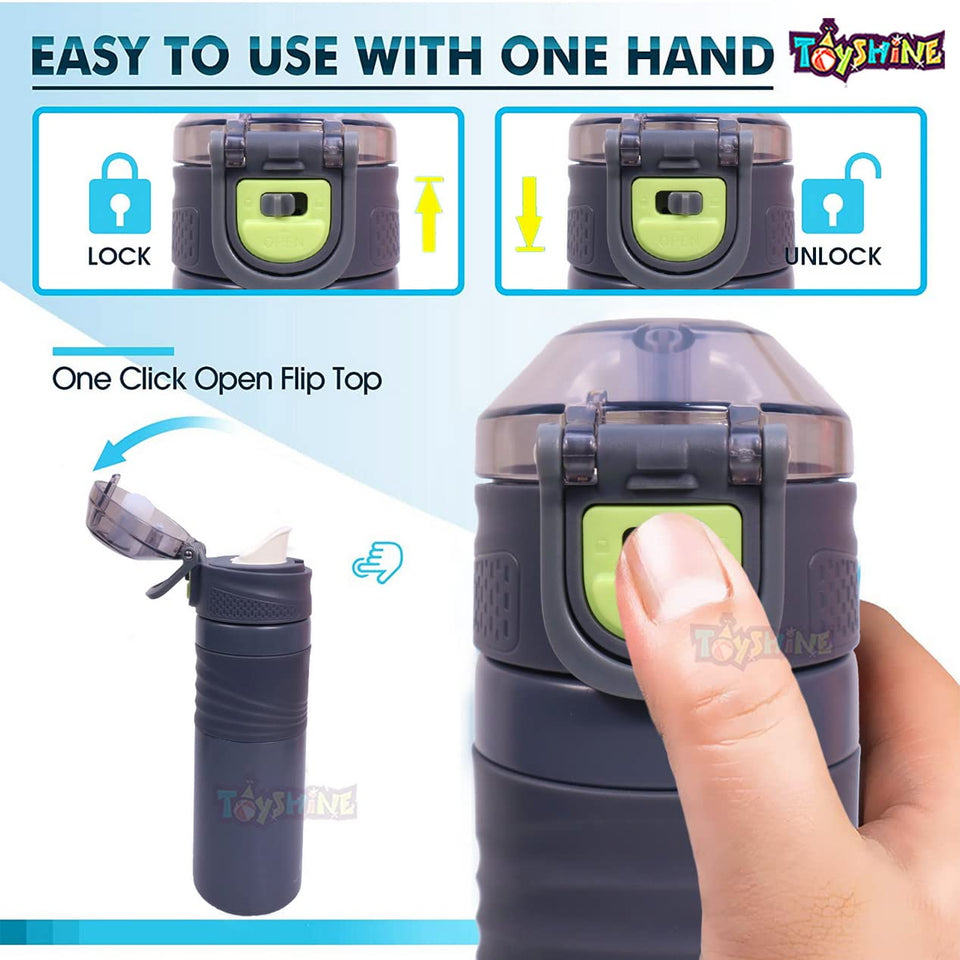
- Push-button with lock switch One-hand open, but a slider blocks the button. Good balance of speed and safety.
- Twist-to-lock collar A ring clamps the cap. It stops the lid from popping open in a bag.
Lid styles matter too:
- Straw lid Quick sips. Best for light use and cold drinks.
- Spout or chug cap Big flow. Good for workouts.
- Sip-through lid Slower flow. Handy at desks.
For tough use, look for a recessed lock, metal parts, and a lid that sits flush. That makes it hard to pry. A water bottle with lock and key should also have a gasket that seals tight under pressure.
Materials, insulation, and build quality
Material affects taste, feel, and life span.
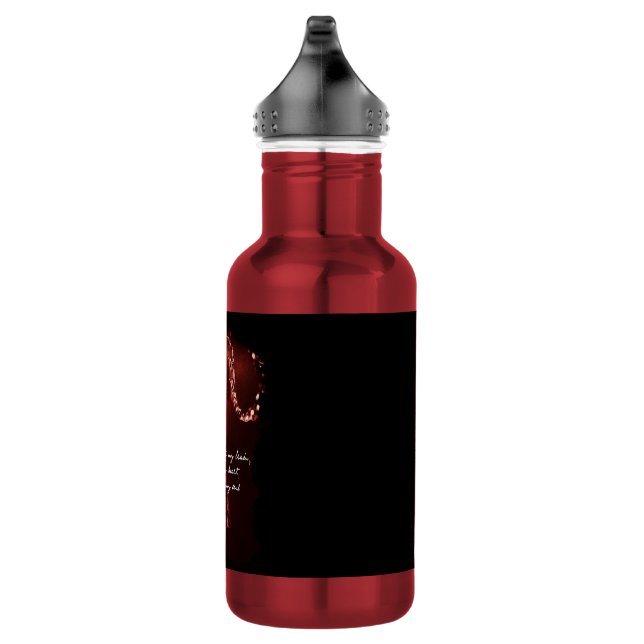
- 18/8 stainless steel Resists rust. Holds cold or hot well with vacuum walls.
- BPA-free plastic like Tritan Light and clear. Good for kids and quick trips.
- Silicone parts Softer grips and gaskets. Keep lids leakproof.
If you want long chill times, pick double-wall vacuum steel. For school or office, clear plastic helps you see fill levels. In any case, choose a water bottle with lock and key with tough hinges, strong threads, and a carry loop that will not snap.
Tip from the field: metal lock parts outlast thin plastic. Look for steel or zinc alloy where the latch meets the lid.
Safety, hygiene, and standards
Health comes first. Choose food-grade parts that are BPA and BPS free. Many top brands test to US and EU food contact rules. Check the maker’s spec sheet or packaging.
Locks add small crevices where grime can hide. Clean lids often. Mold can grow in moist spots in days. If you taste funk or see film, deep clean right away. For kids, note that a lock can slow quick access to water. Teach safe use and keep keys away from small hands.
Use caution with hot drinks. Some straw or flip lids are not safe for heat. Read the label. A safe water bottle with lock and key should list its temp range and care steps.

How to choose the right water bottle with lock and key
Start with your main use, then match features.
- Pick size 16 to 22 oz for daily carry. 24 to 40 oz for long days or sports.
- Choose insulation Need hours of cold or heat? Go vacuum steel.
- Select lid flow Straw for sips, spout for fast flow, sip lid for desks.
- Check lock strength Look for a recessed or metal latch and a firm click.
- Test one-hand use Press, drink, and relock with one hand if you move a lot.
- Plan key or code If you lose keys, get a combo. If you forget codes, go keyed.
- Weigh it Empty weight matters for kids and travel.
- Review care needs Lids with many parts need more cleaning time.
- Confirm warranties Good brands back lids, locks, and seals for years.
When in doubt, choose the simpler lock that you can work fast. A water bottle with lock and key only helps if you use it all day.
Field test and personal insights
I first used a water bottle with lock and key on a red-eye flight. The lock kept the lid shut when my bag fell from the bin. No spill. Later, at the gym, it stopped a friendly mix-up when someone grabbed the wrong blue bottle.
Mistakes I made and fixed:
- I lost a tiny key once. I now keep a spare in my wallet and a photo of the key code.
- I overfilled with fizzy water. It hissed and leaked. I now leave one inch of headspace and open it slow.
- I washed the whole lid in hot water too often. A gasket warped. Now I hand-wash warm, air-dry, and replace gaskets once a year.
Small habits make a big difference. Add a tiny carabiner to the key. Set a weekly clean day. Your locked bottle will serve you for years.

Care, maintenance, and troubleshooting
Keep it clean and smooth to lock.
- Daily Rinse bottle and lid after use. Let the lock area dry.
- Weekly Soak lid in warm soapy water. Use a soft brush for crevices.
- Monthly Deep clean with a mix of baking soda and water. Rinse well.
For gaskets, a light coat of food-grade silicone on the seal can stop drips. For sticky locks, use a tiny drop of dry lock lube on the outside of the mechanism only. Wipe well and keep it away from the spout path. If a combo resets by mistake, check the maker’s reset guide. For broken keys or lost codes, most brands sell spare lids.
Do not dishwash vacuum steel unless the maker says it is safe. Heat can harm the seal. Store the bottle open so it stays fresh.

Cost, value, and where to buy
Prices vary by build and features.
- Budget Plastic with basic lock runs about $15 to $30.
- Mid-range Stainless with vacuum walls lands near $30 to $60.
- Premium Smart lids, meters, or high-grade locks can go above $60.
Buy from brand sites, outdoor shops, or trusted online stores. Check for clear food-grade claims, a real warranty, and spare parts. Read reviews that talk about the lock over time, not just day one. A solid water bottle with lock and key should feel sturdy, seal tight, and stay that way after months of use.
Frequently Asked Questions of water bottle with lock and key
Are these bottles TSA-friendly for flights?
Yes, you can bring them through security if they are empty. Keys and combo locks are fine, but filled bottles must go in checked bags or be emptied.
Can I use carbonated drinks in a locking bottle?
You can, but leave headspace and open the lid slowly. Pressure can force leaks in some lids even with a lock.
How do I avoid losing the key?
Keep a spare in your wallet or bag and tether the main key to the handle. Some brands sell tethered keys or key cards that fit a phone wallet.
Are these locks childproof?
Most are not rated as childproof. They add friction, but you should still store bottles out of reach of small kids.
Can I put hot drinks in my locking bottle?
Only if the maker lists a safe heat rating. Many flip or straw lids are not meant for hot liquids due to steam and burn risk.
Conclusion
A secure drink should be simple. With the right water bottle with lock and key, you get peace of mind, fewer spills, and a clean sip every time. Focus on the lock type, lid style, and care plan that fits your day. Start small: pick your size, choose your lock, and set a weekly clean habit. Ready to upgrade your daily carry? Share your use case or questions below, and subscribe for more gear-tested tips.