The top-o-matic adjustment plate fine-tunes fill density and tube fit for cleaner rolls.
If your cigarettes feel loose, jam at the tip, or burn hot, the fix often lives in a small but mighty part: the top-o-matic adjustment plate. I’ve tuned dozens of units over the years, from the Classic to the T2, and I can tell you that dialing in the top-o-matic adjustment plate is the fastest path to smooth fills and fewer jams. This guide breaks down how it works, how to calibrate it, and how to keep it humming for thousands of rolls.
Understanding the top-o-matic adjustment plate
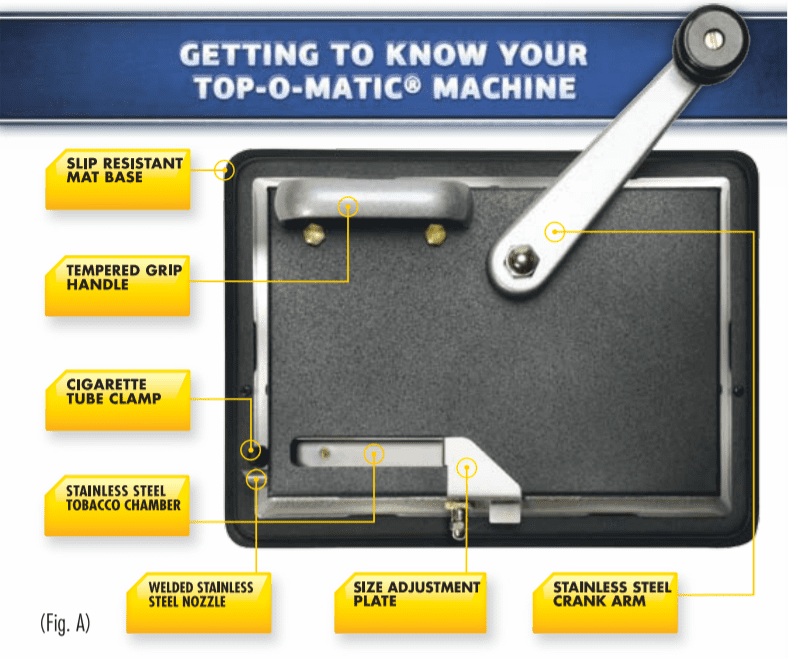
The top-o-matic adjustment plate is the shim-like plate that sets the gap and sweep inside the tobacco chamber. That gap controls how much tobacco the spoon moves and how firmly the tobacco packs into the tube. When set right, the spoon glides, the tube stays on, and the draw feels even.
Key parts it influences:
- Chamber opening The plate height shapes how much tobacco enters the chamber.
- Spoon travel The plate affects how far and how hard the spoon pushes.
- Tube seat and grip A correct setting helps tubes stay put during injection.
What this means in plain terms: the top-o-matic adjustment plate decides how tight or loose your cigarette will be. If you switch blends or moisture levels, a tiny plate tweak can bring your fills back to perfect.
Transparency note:
- Some Top-O-Matic models use a separate selector for Kings vs 100s. The plate still affects density, but not always length. Always check your model’s manual to confirm how yours handles tube size.
How the plate affects fill density and tube size
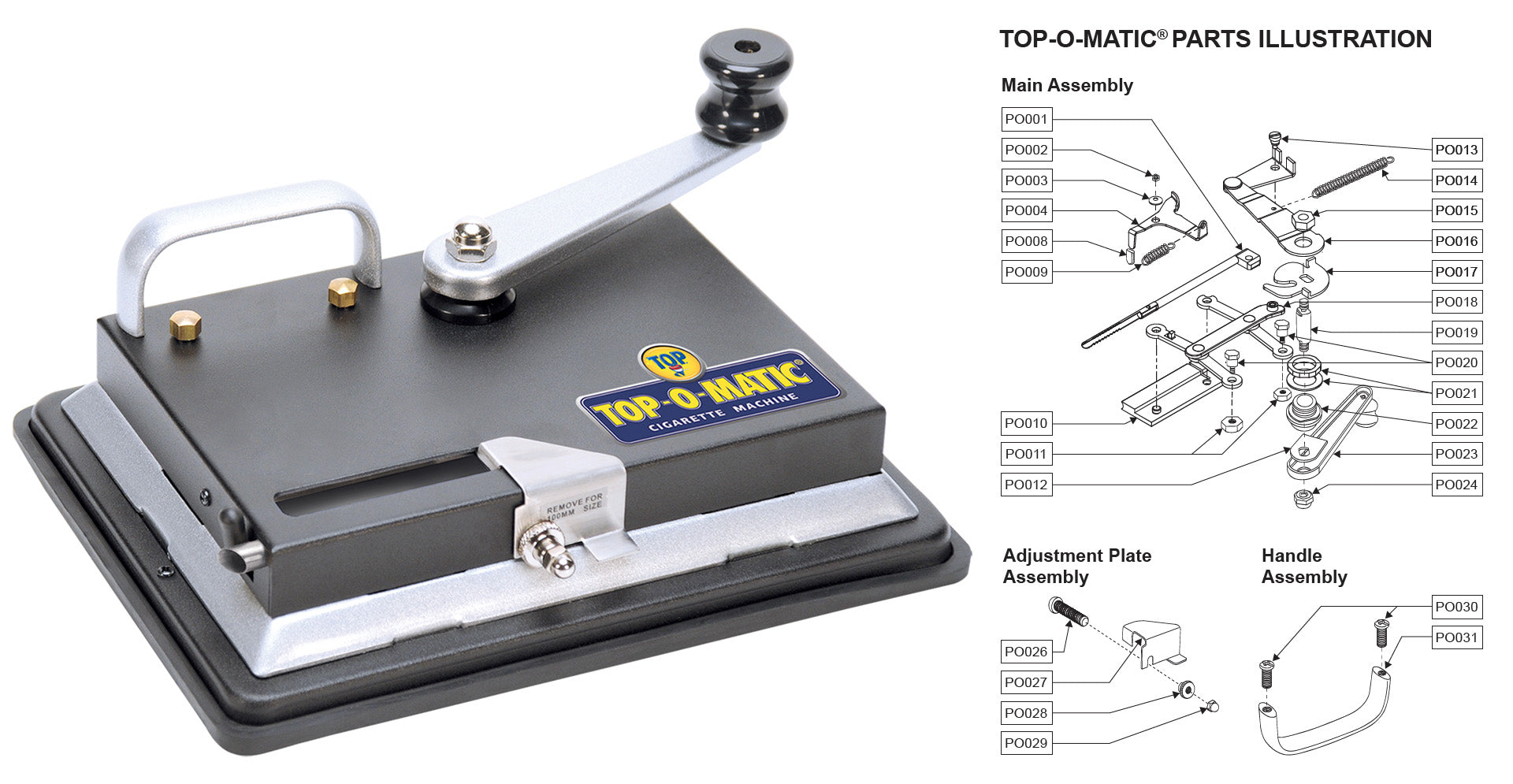
Think of the chamber like a measuring cup. The top-o-matic adjustment plate sets how full that cup gets and how hard it packs. A higher plate (smaller gap) means a tighter roll, less air, and a firmer feel. A lower plate (larger gap) means a looser roll with more airflow.
Real-world effects:
- Loose ends or hollow tips Plate set too low, tobacco underfilled.
- Hard draw or jam at the filter Plate set too high, overpacked near the tip.
- Tube slips off Spoon pressure and plate height out of sync.
About tube length:
- Many Top-O-Matic units use a length selector for Kings and 100s. The top-o-matic adjustment plate mostly controls density, not length. Still, a plate that’s way off can make 100s feel choked or Kings feel floppy.
Step-by-step: Calibrating the top-o-matic adjustment plate
Before you start, clean the chamber and spoon. Old shreds throw off the feel. I like to test with drier mid-cut tobacco first, then fine-tune for the blend I’ll use daily.
Follow these steps:
- Prepare tools
- Small Phillips or flat screwdriver, soft brush, cotton swabs.
- A few empty King tubes and 100s if your model supports both.
- Set a baseline
- Return the top-o-matic adjustment plate to a mid position if you’ve gone far out.
- Do three test rolls. Note draw, end shape, and if the tube slips.
- Increase density if fills are loose
- Turn the plate screws a quarter turn to raise the plate slightly.
- Roll two more. Look for a firm body with no hard spot at the filter.
- Decrease density if fills are tight
- Lower the plate with a quarter turn.
- Roll two more. The draw should ease, and the burn should even out.
- Check for evenness from tip to filter
- Pinch the cigarette from end to end. You want the same firmness all along.
- If the filter end feels like a rock and the tip caves, back the plate down a hair.
- Validate across five rolls
- Consistency beats luck. If four out of five feel great, lock the setting.
My go-to test
- Hold the finished cigarette horizontal and tap it gently. If shreds fall from the tip, add a touch of density. If the end looks crushed or the paper wrinkles, ease off the plate.
Maintenance and longevity
A clean plate makes fine tuning easy. Dust and sticky resins can glue settings in place and ruin your feel.
Simple upkeep:
- After every box of tubes Wipe the chamber and plate edge with a dry brush.
- Weekly Swab with a small amount of isopropyl on a cotton swab. Dry at once.
- Monthly Check screws for snug fit. Do not overtighten; you can strip threads.
Lubrication tips:
- Avoid oil in the chamber. If needed, use a tiny hint of dry lube on moving pivots, never on the plate face or spoon head.
When to replace the top-o-matic adjustment plate:
- Rounded edges, deep grooves, or a warped plate cause uneven packing.
- If small turns stop making a difference, the plate may be worn.
Troubleshooting common problems
If every roll feels off, work through this quick list. It saves time and tobacco.
Symptoms and fixes:
- Tube slipping off Mid-injection pops mean the top-o-matic adjustment plate is too high or tobacco is too dry. Lower the plate a touch and try a fresher blend.
- Hollow tips The plate is too low or your cut is too coarse. Raise it a quarter turn and gently pre-pack the chamber with your thumb.
- Hard draw at the filter High plate or very fine cut. Back off the plate and fluff the tobacco.
- Jams or rough spoon motion Clean the chamber and spoon channel. Resin can mimic a bad plate setting.
- Uneven burn Check moisture. Very dry tobacco needs a slightly lower plate; very moist tobacco needs a slightly higher one.
Personal note:
- The biggest breakthrough for me was matching the plate to moisture. A tweak that works at 10 a.m. can feel wrong at night if your blend dries out. Keep a small zip bag or humidor pouch to stabilize.
Replacement, compatibility, and upgrades
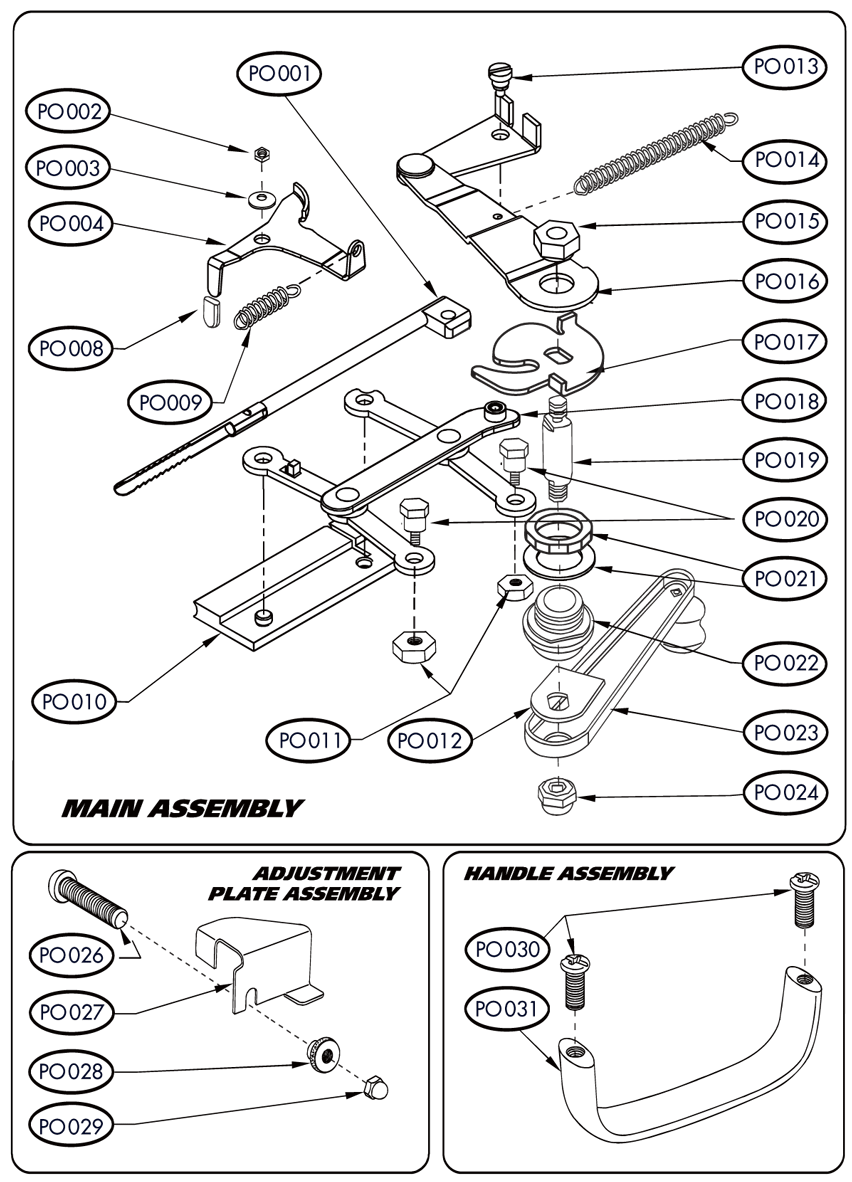
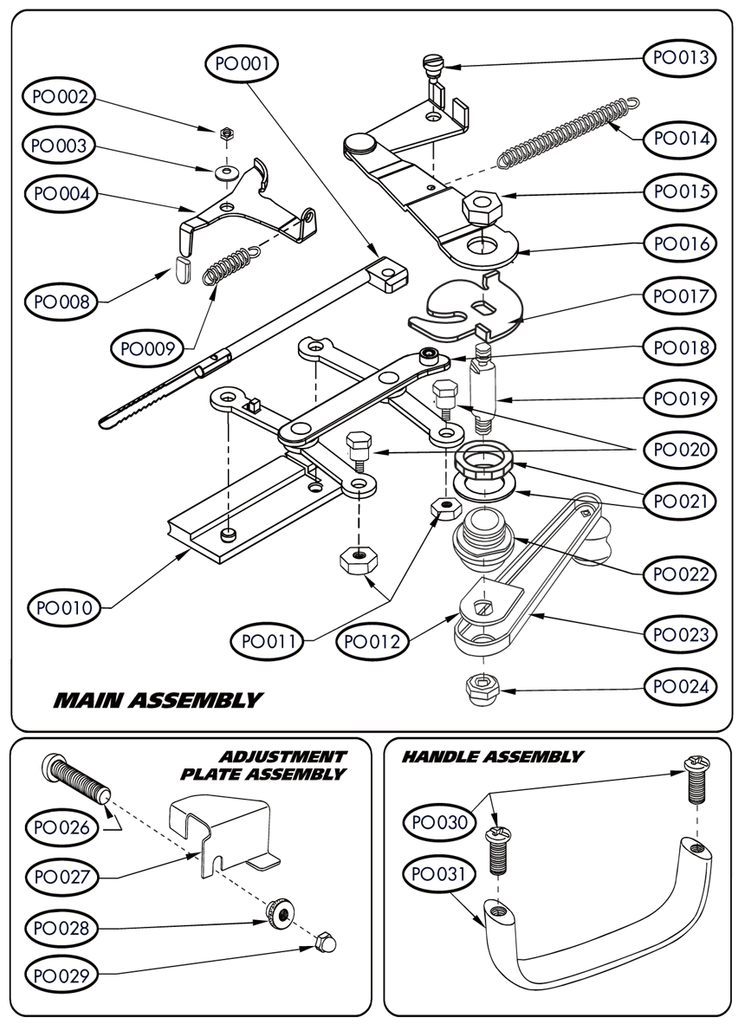
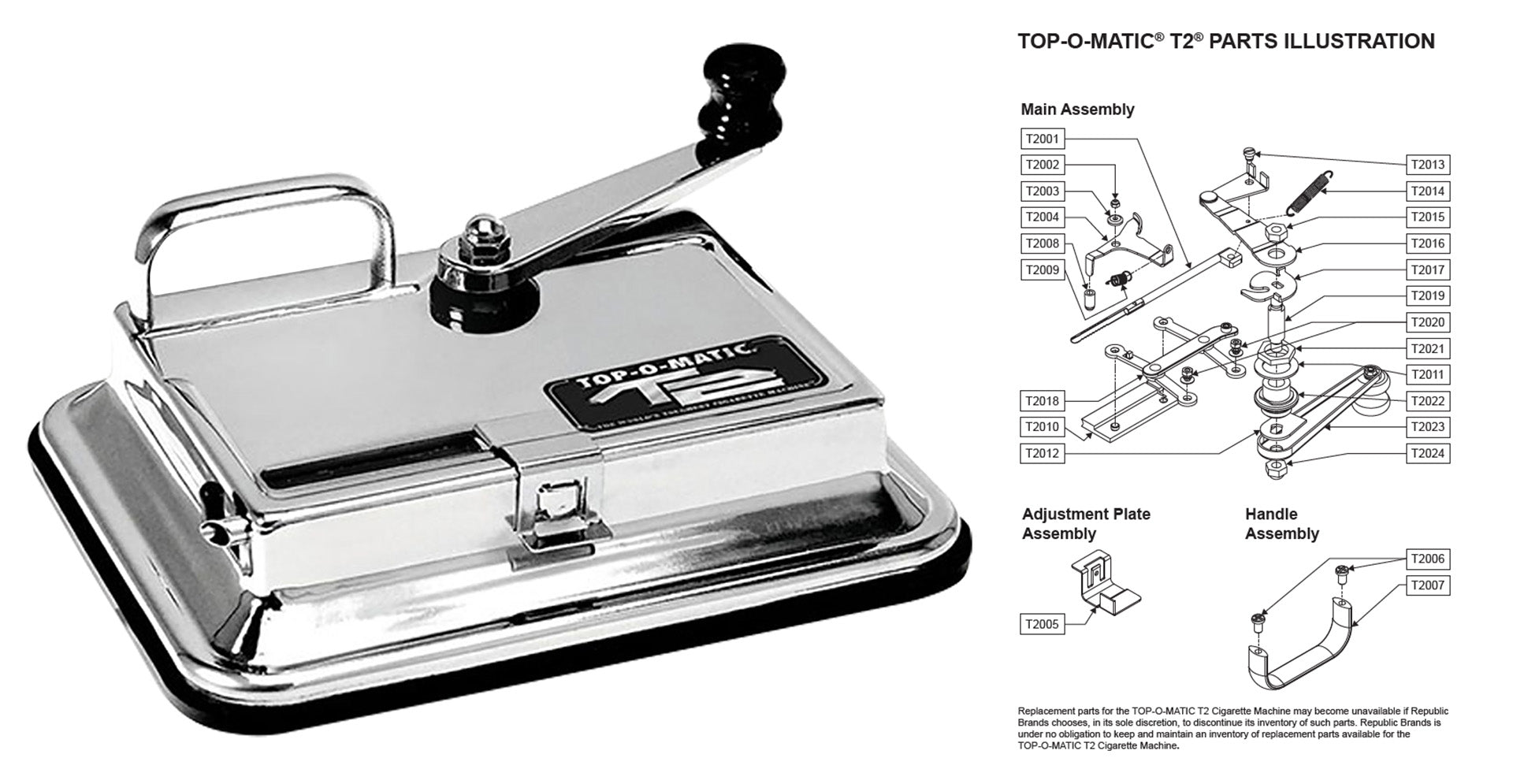
Not all plates are universal. The top-o-matic adjustment plate for a Classic may differ from the T2 or T2+ in size and screw layout.
What to verify before buying:
- Model name and version Check the label under the base or the box.
- Screw spacing Compare to your current plate before installing.
- Material and finish Stainless or hardened steel lasts longer than soft alloys.
Smart upgrades:
- If your plate shows wear, replace it along with the screws and washers.
- Consider a plate kit that includes a new spring or spoon pivot parts. A tight system keeps settings stable.
Trusted guidance:
- Use manufacturer documentation for your exact model.
- User communities often share clear photos of plates and fit notes. Cross-check with official specs to avoid guesswork.
Pro tips, mistakes to avoid, and safety notes
These small habits make a big difference and protect your machine.
Pro tips:
- Make one change at a time Keep notes on turns and test results.
- Standardize your fill Use the same scoop or pinch size during testing.
- Warm-up rolls The first two after a long break are practice. Judge from roll three onward.
Mistakes to avoid:
- Overtightening screws You can warp the top-o-matic adjustment plate.
- Ignoring tobacco cut Fine shags need less density; coarse ribbon needs more.
- Forcing jams If the lever binds, stop. Clear the chamber and reset.
Safety notes:
- Keep fingers clear of the spoon path during tests.
- Store sharp tools away from the mat to avoid slips.
Cost, value, and where to buy
The top-o-matic adjustment plate is a low-cost part that can save you money by extending your machine’s life and cutting waste. Most users get years of service from a single plate with simple care.
Buying tips:
- Choose genuine or high-grade aftermarket with clear model fit.
- Look for kits with screws, washers, and simple instructions.
- Avoid unknown plates with vague photos or no dimensions.
Value check:
- If you burn through a pack a day, a well-set top-o-matic adjustment plate pays for itself fast by reducing rejects and re-rolls.
Frequently Asked Questions of top-o-matic adjustment plate
What does the top-o-matic adjustment plate actually change?
It sets the chamber gap and spoon pressure. That changes how tight the tobacco packs and how well the tube stays on.
How often should I adjust the plate?
Adjust only when the fill feels off or when you switch blends or moisture. Small quarter turns are best.
Does the plate control Kings vs 100s?
On many models, tube length is handled by a selector. The top-o-matic adjustment plate fine-tunes density more than length.
Why do my tips feel soft even after raising the plate?
You may be underfilling or using very dry tobacco. Try a slight raise plus a gentle pre-pack, or moisten your blend a touch.
Can I over-tighten the plate and damage the machine?
Yes. Overtightening can warp the plate or strip threads. Snug is enough.
When should I replace the top-o-matic adjustment plate?
Replace it if you see grooves, warping, or if adjustments stop affecting the fill. A fresh plate restores fine control.
What tools do I need to tune the plate?
A small screwdriver, soft brush, and cotton swabs for cleaning. Optional dry lube for pivots, kept away from the chamber.
Conclusion
A well-tuned top-o-matic adjustment plate turns a fussy injector into a smooth, reliable tool. Keep your changes small, test often, and match the setting to your tobacco’s cut and moisture. With a clean chamber and a steady plate, you’ll get firm, even cigarettes with far fewer jams.
Ready to dial yours in today? Use the steps above, track your tweaks, and share your results or questions so we can fine-tune together.