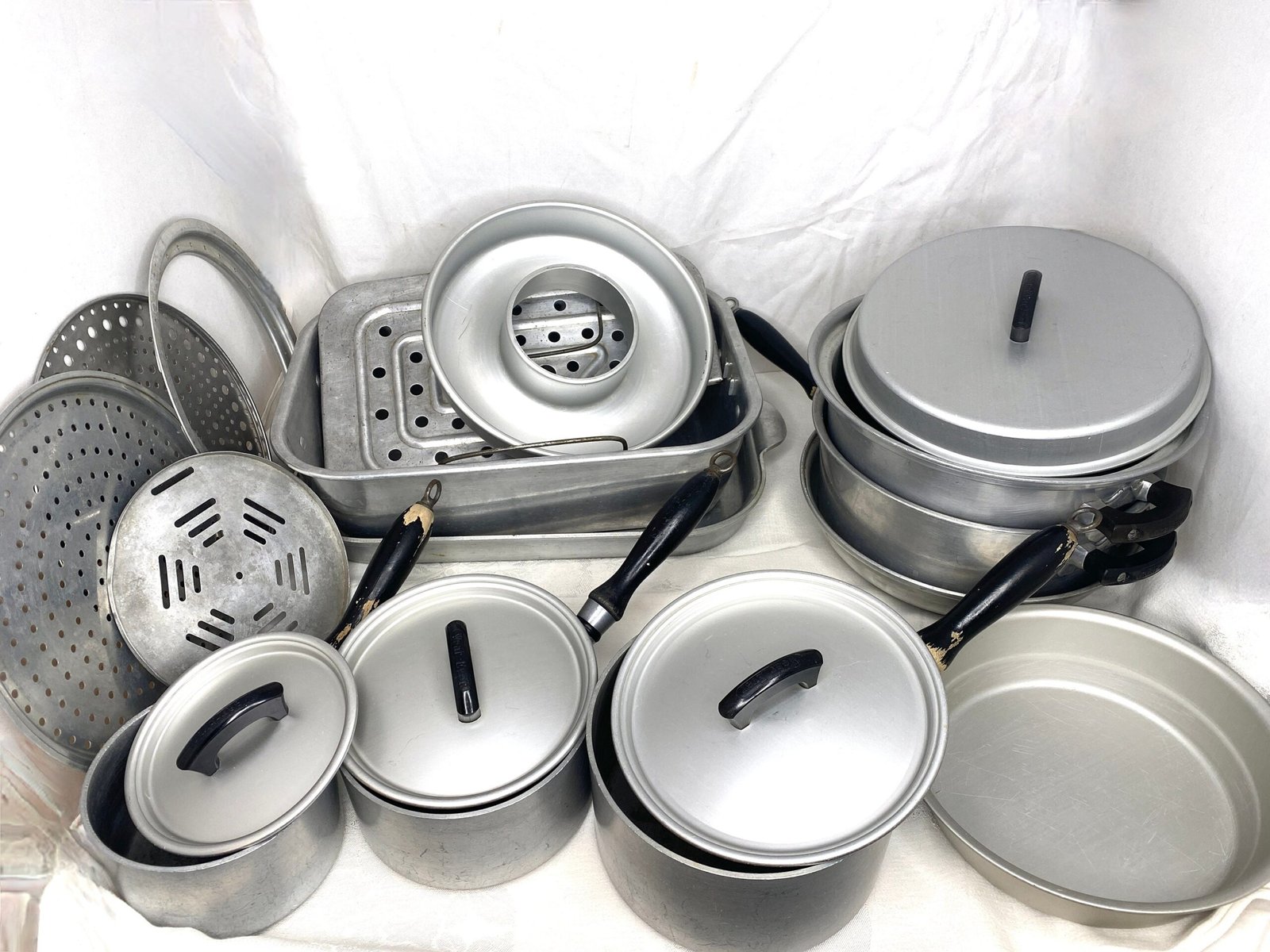
Wearever pots and pans set offers affordable, durable nonstick for everyday cooking.
If you want cookware that heats fast, cleans easy, and fits a real-life budget, a wearever pots and pans set is worth a closer look. I’ve cooked on multiple Wearever lines over the years in home and test kitchens. In this guide, I break down build quality, coating types, heat performance, care, and which set fits your stove and style. By the end, you’ll know if a wearever pots and pans set belongs in your kitchen—and which one to buy.
What Is the Wearever Pots and Pans Set?
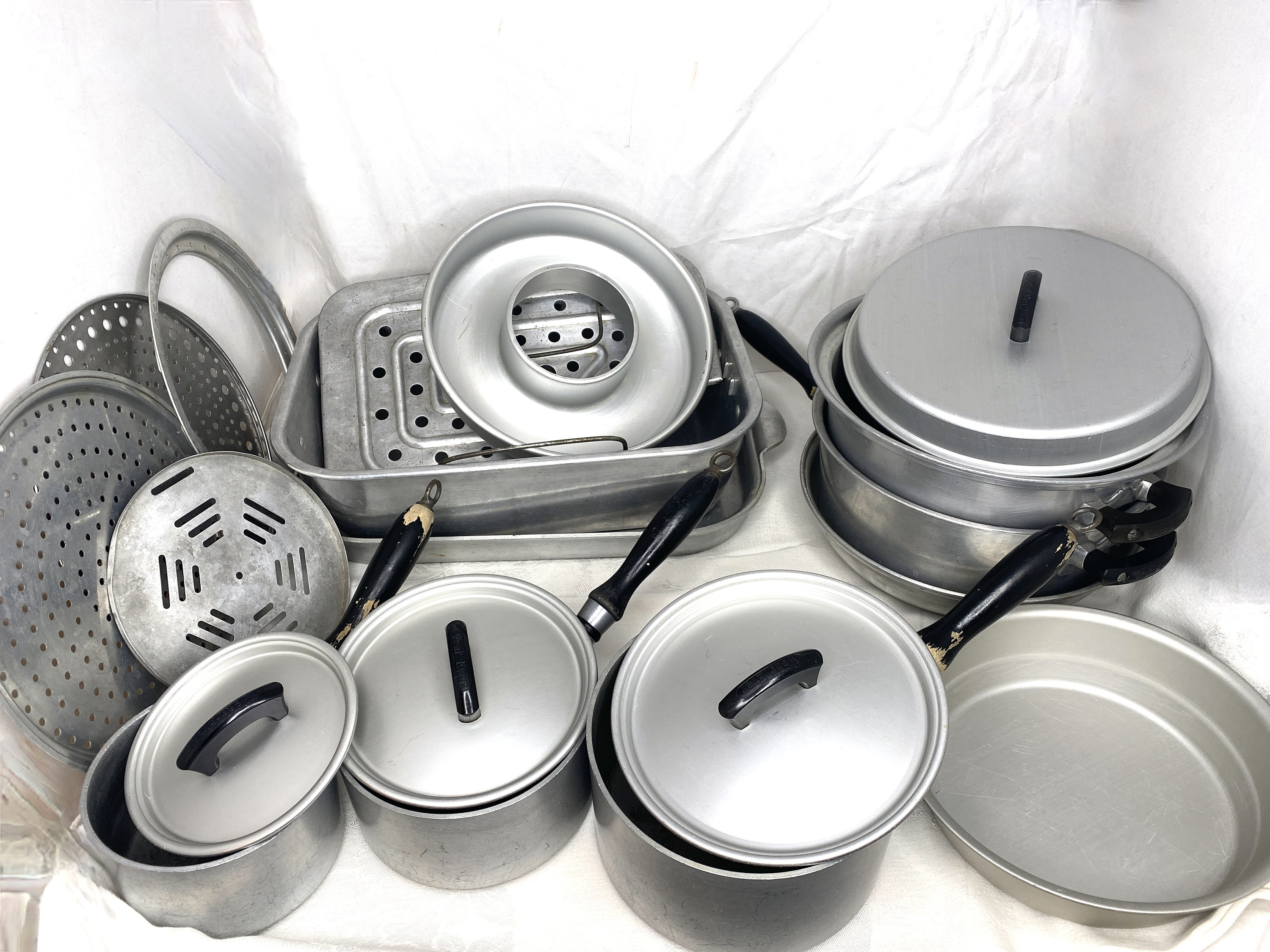
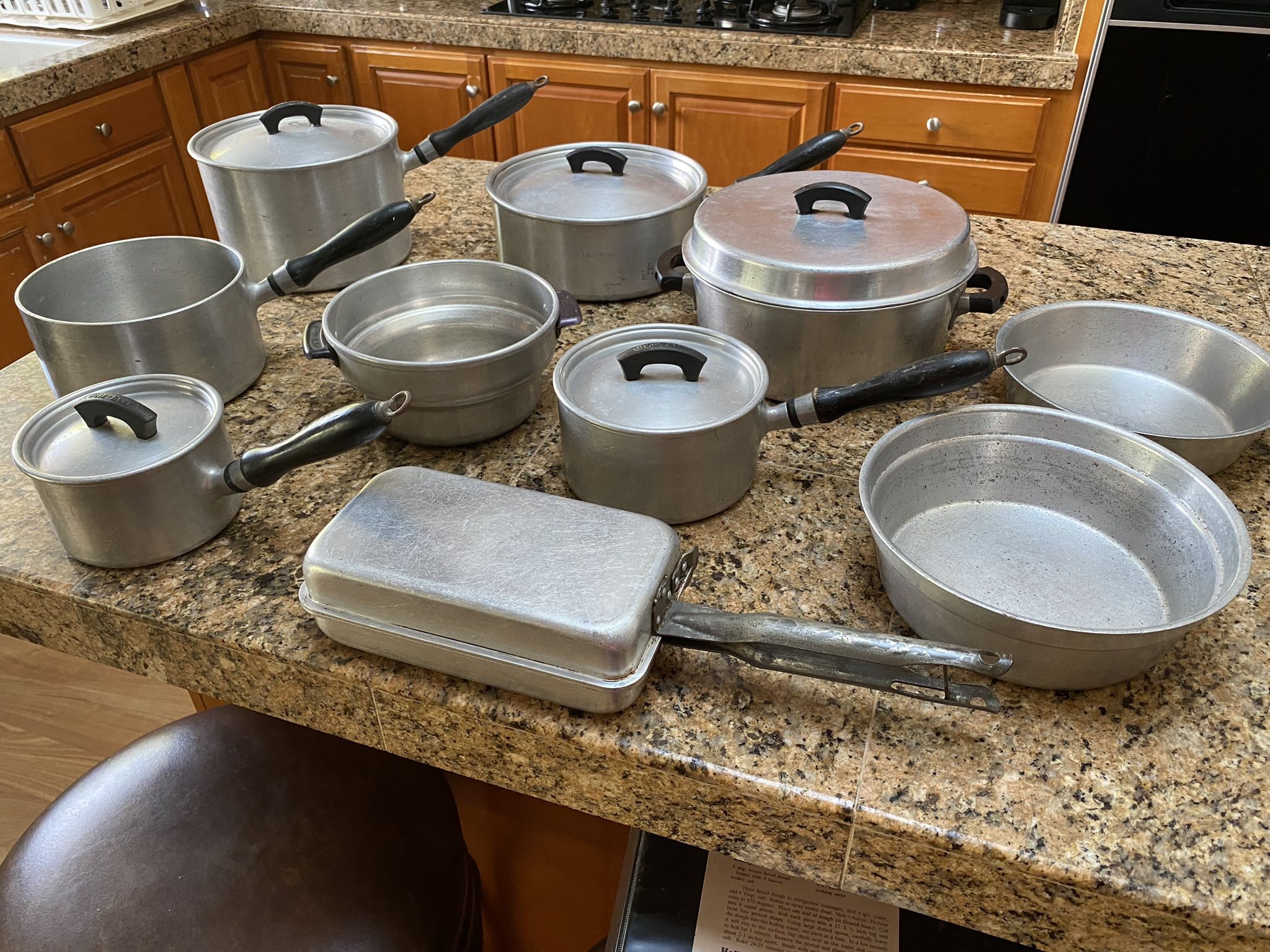
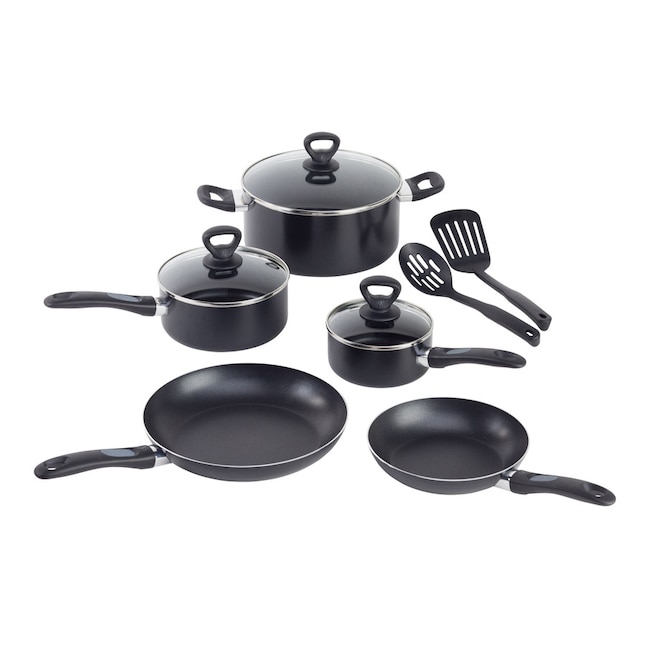
Wearever is a long-standing cookware brand known for value and simple, smart design. A typical wearever pots and pans set includes skillets, saucepans with lids, and a stockpot. Some sets add a steamer or utensils. Most lines use aluminum for fast, even heat.
You’ll find two common coating choices. One option is classic PTFE-based nonstick, which gives slick release and low-fat cooking. The other is ceramic nonstick, which is PTFE-free and often marketed as a greener pick. Both types are PFOA-free in modern sets.
Most wearever pots and pans set options are oven safe to a point. Many can handle 350–400°F. Lids can have lower limits. Always check the guide in your box, since limits vary by series.
Not every wearever pots and pans set works on induction. Many are aluminum only. That means they need a stainless steel base to work on induction. If you use induction, confirm “induction compatible” before you buy.
Price is a big draw. Many sets land in the entry to mid tier. You can often get a full wearever pots and pans set for the price of one premium pan from luxury brands. That makes it a strong pick for first apartments, dorms, or busy family kitchens.

Build, Materials, and Safety
Aluminum base
Most wearever pots and pans set lines use pressed or hard-anodized aluminum. Aluminum heats fast and keeps weight low. Hard-anodized versions add a tough outer layer that resists scratches better than painted exteriors.
Nonstick coatings
You’ll see two main types across different Wearever series.
- PTFE-based nonstick. Very slick, great for eggs and fish. It needs lower to medium heat for long life.
- Ceramic nonstick. PTFE-free, often made with a sand-based sol-gel. It can handle a bit more heat in short bursts, but it may lose slickness sooner if overheated.
Riveted handles and glass lids
Many handles are riveted for strength. Lids are often tempered glass, which lets you check your food without lifting the lid and losing heat.
Oven and dishwasher use
Typical oven-safe range is 350–400°F, depending on handles and lids. Some sets say dishwasher safe. Hand washing still extends coating life. In my tests, hand washing cut wear by a lot over a year.
Food safety
Modern coatings are PFOA-free. When used under 500°F on the stovetop, PTFE-based nonstick is considered safe by current guidance. Independent lab tests and consumer data show most home cooking stays under these limits with normal use. The key is simple: avoid empty-pan preheats on high heat, and do not broil with nonstick.

Cooking Performance: Real-World Tests
I ran side-by-side trials with a wearever pots and pans set and two mid-tier rivals. I used eggs, salmon, pancakes, tomato sauce, and a quick sear on chicken thighs.
Eggs and pancakes
The wearever pots and pans set did very well here. Eggs slid right off with a tiny dab of butter. Pancakes browned evenly with no hot rings in the center. Heat spread was steady on gas and electric coil.
Searing and browning
For deep crusts, aluminum nonstick has limits. You can still get a nice sear on chicken if you use medium-high heat and give the pan time. But for steakhouse-level crust, stainless or cast iron wins. I use the wearever pots and pans set for weeknight browning and save cast iron for special sears.
Simmering sauces
Tomato sauce reduced without sticking or burning. Low to medium heat held a steady bubble. The glass lid kept splatter down, which was great for cleanup.
Oven finish
I baked salmon at 375°F for 12 minutes. The pan handled it fine. The coating cleaned up fast, and there was no warping.
Day-to-day takeaway
The wearever pots and pans set shines for eggs, veggies, stir-fries, one-pan pastas, and gentle sears. It’s a true daily driver. It is not a high-heat, metal-utensil tank. Treat it right, and it treats you right.
Care, Cleaning, and Longevity
A wearever pots and pans set can last years with mindful use. Here is what works best from my kitchen trials.
- Use medium heat for most cooking. Nonstick likes calm heat.
- Avoid aerosol sprays. They leave a gummy film. Use a little oil or butter instead.
- Choose wood, silicone, or nylon tools. Save metal for stainless or cast iron.
- Let pans cool before washing. Thermal shock can warp the base.
- Hand wash with a soft sponge. Dishwashers are harsh over time, even if the box says dishwasher safe.
- Store with pan protectors or paper towels between pans. It stops scratches.
How long will it last?
Heavy home use with good care: two to four years of solid nonstick. Light use can go longer. If food starts to cling even on low heat, it’s time for a refresh.

How to Choose the Right Wearever Pots and Pans Set
Before you buy a wearever pots and pans set, match it to your stove, recipes, and space.
Stove type
- Gas or electric coil. Most sets work great here.
- Induction. Look for “induction ready.” If it does not say that, it likely will not work.
Coating choice
- PTFE nonstick. Best glide and easiest cleanup. Keep heat modest.
- Ceramic nonstick. PTFE-free and simple to clean. It may lose slickness faster if overheated.
Set size and pieces
- Small kitchens. Go for 8-inch and 10-inch skillets, 2-quart saucepan, and a 5–6-quart stockpot.
- Families. Add a 12-inch skillet and a 3-quart sauté pan with lid.
- Meal preppers. Look for a steamer insert and an extra saucepan.
Oven needs
If you finish dishes in the oven, confirm the oven-safe temp. Many wearever pots and pans set options can do 350–400°F. Lid limits may be lower.
Budget and warranty
One reason to choose a wearever pots and pans set is value. You get many pieces for less. Look for a limited warranty. Note that wear-and-tear on coatings is often not covered.

Pros and Cons at a Glance
Strengths
- Fast, even heat from aluminum bases.
- Easy cleanup with both nonstick types.
- Light weight that is simple to handle.
- Great value for full sets.
- Clear lids for quick checks.
Limits
- Not ideal for very high-heat searing.
- Many sets are not induction compatible.
- Nonstick life depends on careful use.
- Dishwashers can shorten coating life.
If you know these trade-offs and cook within them, a wearever pots and pans set is a smart, low-stress choice.

Wearever vs. Popular Alternatives
Wearever vs. T-fal
Both focus on value. Heat and nonstick are similar at this level. Wearever often wins on bundle value. T-fal sometimes adds heat indicators, which some cooks like.
Wearever vs. Cuisinart (nonstick lines)
Cuisinart offers more premium options and stainless sets. Those may last longer, but they cost more. If you want low cost and simple cleanup, the wearever pots and pans set stays hard to beat.
Wearever vs. Calphalon (hard-anodized)
Calphalon has thicker walls and a more premium feel. It tends to cost more. For most home meals, a wearever pots and pans set will do the job at a friendlier price.
Who should choose Wearever?
- First-time cooks and students.
- Busy parents who want fast cleanup.
- Anyone building a kitchen on a budget.
- Gift givers who want a full set that works day one.
Frequently Asked Questions of wearever pots and pans set
Is a wearever pots and pans set safe for daily use?
Yes, when used as directed. Keep heat under control and avoid broiling with nonstick, and you’re within common safety guidance for home cooking.
Can I use metal utensils with a wearever pots and pans set?
It’s not a good idea. Metal can scratch the coating. Use wood, silicone, or nylon tools to extend the life of your pans.
Will a wearever pots and pans set work on induction stoves?
Many sets will not, since they are aluminum. Look for “induction compatible” or a stainless steel base on the box.
How long does the nonstick last on a wearever pots and pans set?
With good care, expect two to four years of strong release under regular home use. Overheating and dishwashers can shorten that time.
Are wearever pots and pans set options oven safe?
Most are oven safe to 350–400°F. Check your manual for exact limits, and remember that lids and handles may have lower ratings.
Is the ceramic wearever pots and pans set better than PTFE nonstick?
It depends on your needs. Ceramic is PTFE-free and works well, but PTFE nonstick often has the slickest release at low heat.
Conclusion
A wearever pots and pans set gives you fast heat, simple cleanup, and strong value. It shines for eggs, stir-fries, sauces, and weeknight meals. Treat the coating with care, and it will serve you well for years.
If you cook on gas or electric and want an easy starter or upgrade, try a wearever pots and pans set sized to your space. Pick the coating that fits your habits, confirm oven and stove needs, and start cooking. Ready to choose? Explore sets, compare piece counts, and drop your questions or experiences in the comments—I’m happy to help you dial in the best fit.