A toilet cleaner that sticks to the bowl clings, cleans longer, and reduces scrubbing.
If you want a fresher toilet with less effort, you’re in the right place. I’ve tested many formulas and learned what actually works. In this guide, I break down the science, use cases, and smart picks for a toilet cleaner that sticks to the bowl. You will see how it saves time, cuts odors, and keeps stains away, even in hard water homes.

What Is A Toilet Cleaner That Sticks To The Bowl?
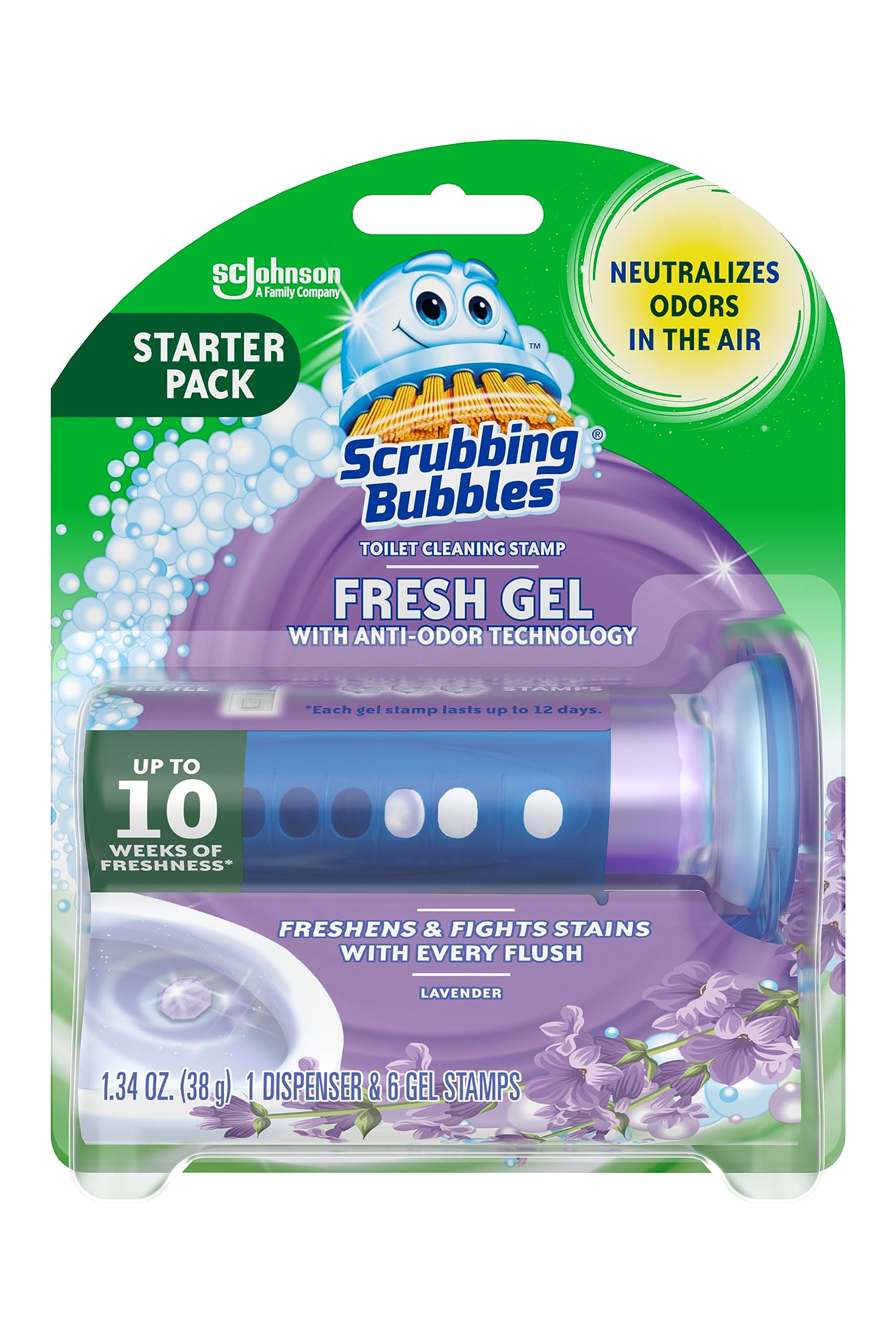
A toilet cleaner that sticks to the bowl is a thick gel or stamp that clings to the porcelain. It stays in place longer than thin liquids. This gives the cleaner more time to break down stains and film.
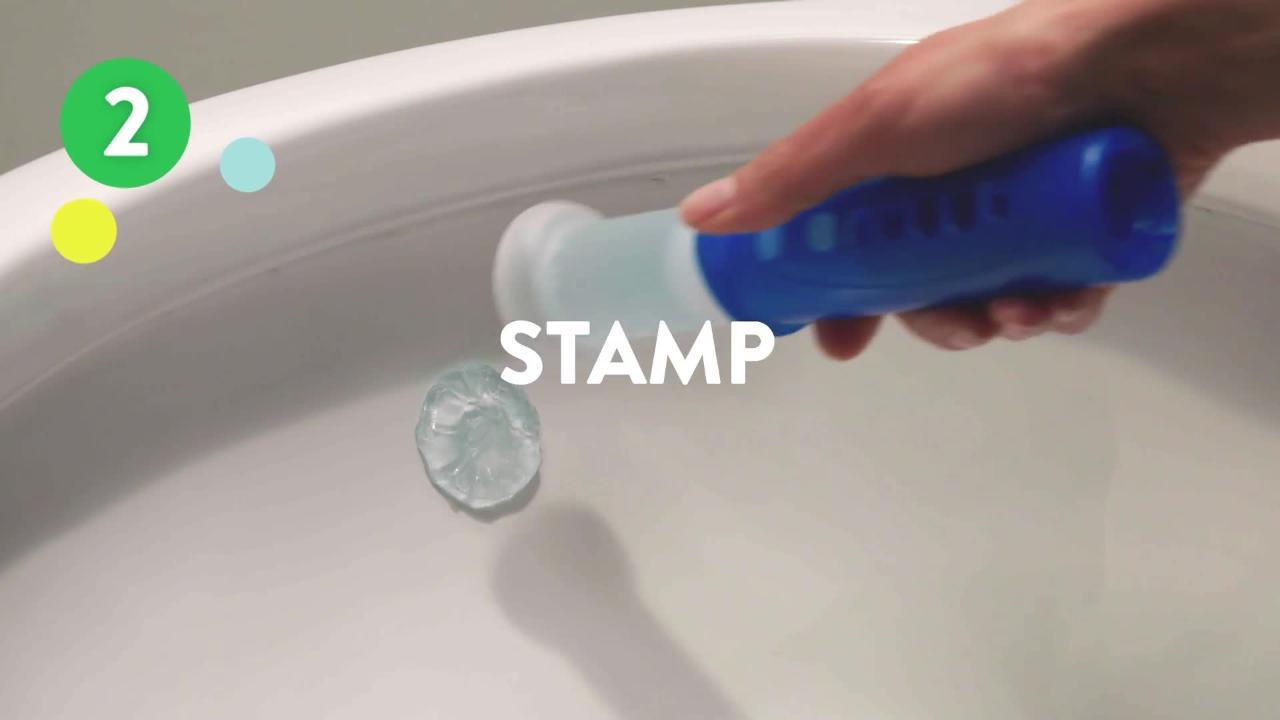
You will find two main styles. There is a squeeze gel that coats the bowl walls, and there are gel stamps that you press under the rim. Both designs tackle buildup where water flows.
Why it matters is simple. The longer a cleaner sits on grime, the better it works. A toilet cleaner that sticks to the bowl slows drip time, so the active ingredients can do their job.
How Clinging Cleaners Work
Think of honey on a plate. It does not run fast. A clinging toilet gel behaves the same way. It uses thickeners like xanthan gum or cellulose to slow runoff.
Most clinging gels use acids to fight mineral stains. Mild acids, like citric or lactic acid, dissolve limescale and rust. Surfactants lift soil so it rinses away. With a toilet cleaner that sticks to the bowl, the contact time is longer, so chemistry wins with less scrubbing.

Types And Formats To Know
There are a few smart formats. Each has a place in your routine.
- Cling gel bottle. Thick gel you squeeze under the rim. Great for deep cleans.
- Gel stamp. A small dot you press under the rim. Good for daily freshness.
- Adhesive rim block. A solid block with a sticky pad. Offers steady dosing per flush.
- Foaming clinging gel. Expands into foam. Handy for wide coverage on vertical walls.
I keep a gel bottle for weekly deep cleans. I add a gel stamp for day-to-day odor control. That mix keeps the bowl bright with little effort. A toilet cleaner that sticks to the bowl can be your one-two punch.
Clear Benefits You Will Notice
The gains show up fast, even if you have hard water.
- Longer contact time. Better stain softening with fewer repeats.
- Less scrubbing. The gel does more of the heavy lifting.
- Fewer odors. Antimicrobials and surfactants remove the film that traps smells.
- Better coverage. Thick gel reaches spots that thin liquids miss.
- Water savings. Less need for repeat flushes during cleaning.
After a month on a toilet cleaner that sticks to the bowl, I saw less ring build and faster wipe downs.
What To Look For When Buying
Not all clinging cleaners are equal. Use this checklist to choose well.
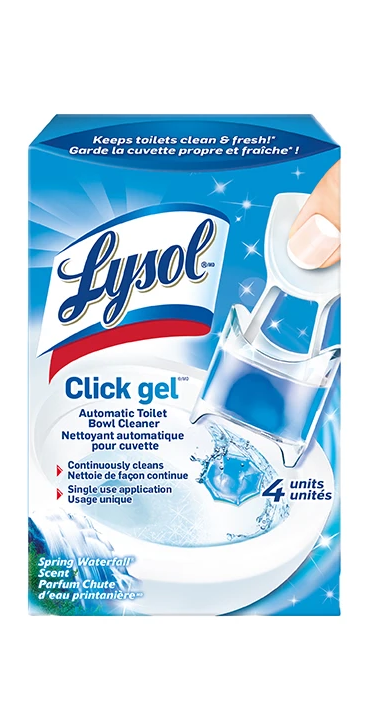
- Cling strength. Look for “cling gel,” “thick gel,” or “gel stamp” on the label.
- Active ingredients. Citric, lactic, or hydrochloric acid remove mineral stains. Choose strength based on buildup.
- Septic safe. If you have a septic system, confirm septic safe on the label.
- Fragrance level. Pick light scents if you are sensitive, or fragrance-free.
- Safety marks. EPA Safer Choice and similar marks signal lower hazard options.
- Bottle design. An angled neck helps you reach under the rim.
- Dye and residue. If you have light porcelain, choose low-dye gels to avoid tinting.
The right toilet cleaner that sticks to the bowl should match your water, your nose, and your routine.
How To Use It The Right Way
Good use beats brute force. Here is a quick method I share with clients.
- Flush once to wet the bowl.
- Squeeze a bead of gel under the rim. Make a full ring.
- Let it sit. Give it 5 to 15 minutes. Tough stains may need 30.
- Lightly brush from the top down. Focus on the waterline and under the rim.
- Flush to rinse. For heavy buildup, repeat once more.
- For gel stamps, apply under the rim and let daily flushes do the work.
This is where a toilet cleaner that sticks to the bowl shines. Time on the surface equals less elbow grease.
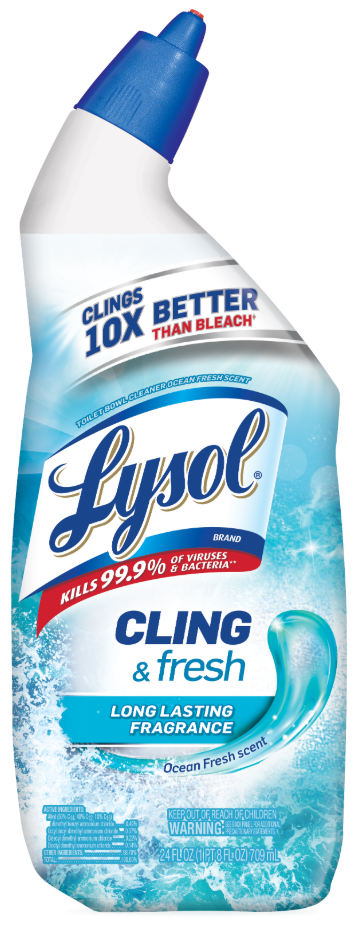
Troubleshooting And Mistakes To Avoid
Even good gels can fail if used wrong. Avoid these slips.
- Mixing bleach and acid. Never mix. It can release toxic gas. Check labels first.
- Rushing contact time. Do not brush right away. Let the gel work.
- Skipping the rim. Stains start where water flows. Coat that edge well.
- Overusing dye-heavy gels. Dyes can cling. Rotate to clear gels if you notice tint.
- Using on damaged glaze. If porcelain is etched, cleaners may not cling as well.
If a toilet cleaner that sticks to the bowl seems weak, try a second pass and longer dwell time.

Safety, Eco, And Septic Facts
Safety first. Always wear gloves and keep the room ventilated. Store out of reach of kids and pets.
For eco picks, look for plant-based surfactants, citric or lactic acid, and credible labels like EPA Safer Choice. These options can clean well with lower hazard profiles. Many clinging gels are safe for septic systems if used as directed. Check the label for septic safe and avoid overuse of strong disinfectants. A toilet cleaner that sticks to the bowl can be both effective and mindful.

Cost, Value, And A Simple DIY Option
Cost per use matters. Gel stamps cost more per month but save time. Cling gel bottles are cheaper per clean and hit tough stains.
A simple DIY clinging cleaner can help between deep cleans:
- Mix 1 cup warm water with 1 teaspoon xanthan gum. Whisk until smooth.
- Add 1 cup white vinegar and 1 tablespoon mild dish soap. Stir gently.
- Funnel into a squeeze bottle and use like a gel.
Do not mix this with any bleach cleaner. Label your bottle. DIY can bridge the gap, but store gels still win on heavy limescale. A toilet cleaner that sticks to the bowl gives you the best return when used weekly.
Real-Life Results And Pro Tips
In my last rental, we had hard water that drew a rust ring fast. I switched to a toilet cleaner that sticks to the bowl twice a week and added a small gel stamp. The ring faded in two weeks, and weekly care was a breeze.
Try these tips:
- Alternate. Use a strong acid gel once a week, then a mild gel midweek.
- Spot target. Press extra gel under the heaviest flow path.
- Night soak. Apply before bed for extra contact time.
- Keep a small brush nearby. A quick swirl after contact time seals the deal.
Frequently Asked Questions of toilet cleaner that sticks to the bowl
How often should I use a clinging toilet gel?
Once a week works for most homes. In hard water areas, use it twice a week for best results.
Is a toilet cleaner that sticks to the bowl safe for septic systems?
Yes, many are safe when used as directed. Check the label for septic safe and avoid heavy overuse.
Can I use a gel stamp and a clinging gel together?
Yes, and it works well. Use the gel stamp for daily freshness and the cling gel for deep cleans.
Will it remove a thick limescale ring?
It can, with time. Apply, let it sit longer, brush, and repeat for several days if needed.
Can I use it on colored toilets?
Yes, but choose low-dye or clear gels. Test a small area first if you are worried about tint.
What if I smell a strong bleach odor after using an acid gel?
Stop and ventilate. You may have mixed products on the surface. Never mix bleach and acid cleaners.
Does a toilet cleaner that sticks to the bowl work in very cold rooms?
Cold slows chemistry and thickens gels. Let the room warm a bit or allow longer dwell time.
Conclusion
A toilet cleaner that sticks to the bowl turns a chore into a quick win. It clings, cleans deeper, and keeps stains at bay with less effort. Pair a weekly cling gel with a light daily aid, and you will see a cleaner bowl and fresher bathroom fast.
Start with one product that fits your needs, follow the steps, and track results for two weeks. Ready to upgrade your routine? Try the tips above, share your progress, and subscribe for more simple home care guides.