
A stable, non-slip, audible, raised bowl helps blind dogs drink with confidence.
If your dog has lost sight, the right water bowl can change daily life. In this guide, I share expert tips and real stories to help you pick the best water bowl for blind dog and set it up the right way. We will cover features that matter, smart placement, training steps, cleaning, and common mistakes to avoid. Let’s make hydration safe and stress-free.

What Blind Dogs Need From a Water Bowl
Blind dogs use nose, whiskers, and memory to find water. Sound and texture guide them. A steady target bowl builds trust.
Dogs map the home in their heads. If the bowl moves, they get confused. A good water bowl for blind dog should be stable, easy to find, and gentle on whiskers.
Think of the bowl as a beacon. Small cues help a lot. A textured mat under the bowl can act like a runway.
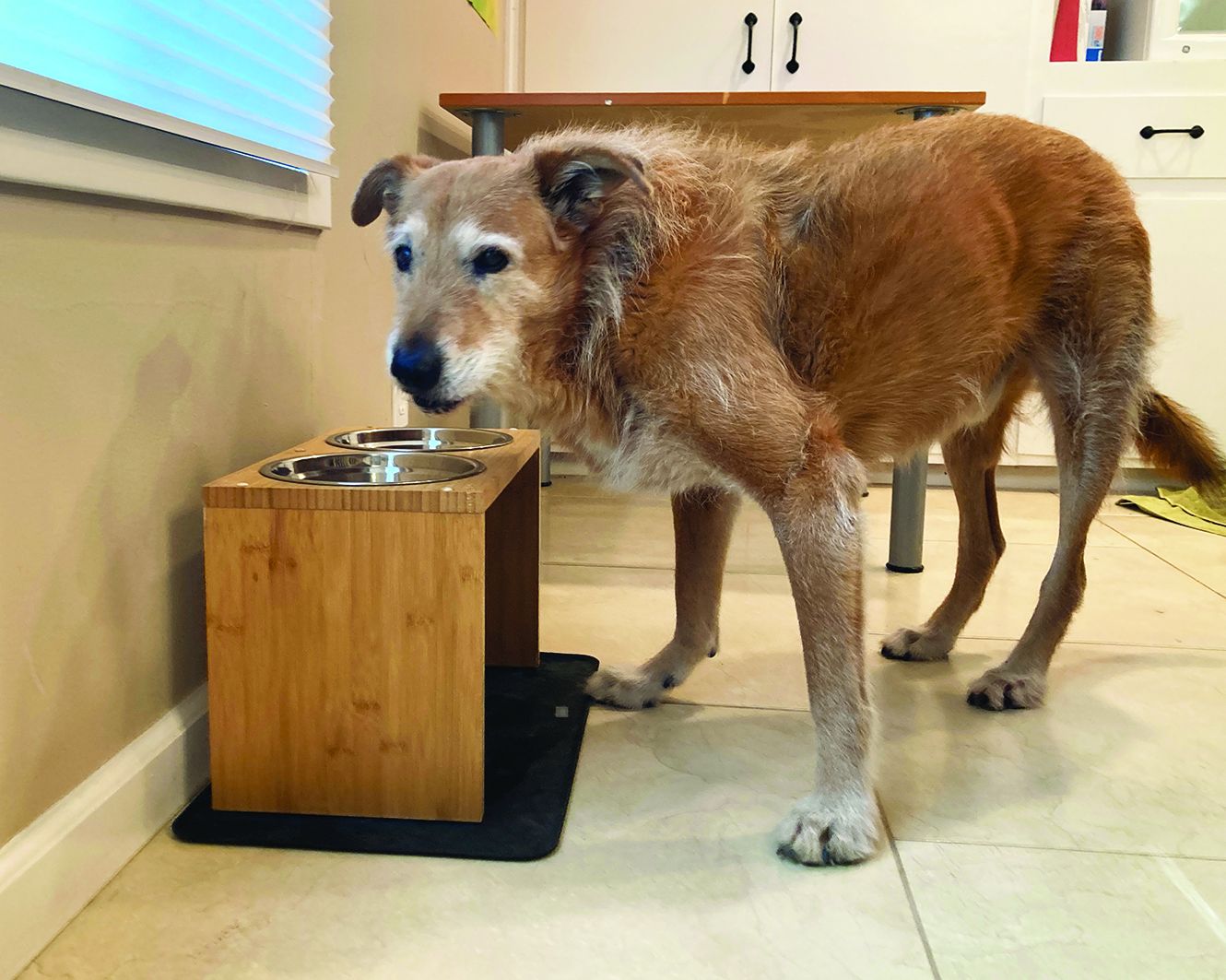
Best Types of Water Bowl for Blind Dog
Non-spill or splash-proof bowls
- Keeps floors dry and less slippery.
- Good for messy drinkers or big paws.
Weighted or suction-base bowls
- Reduces sliding and loud clanks.
- Helps a blind dog keep steady footing.
Raised bowls with stands
- Eases neck strain for some dogs.
- Use with care for large breeds; ask your vet first due to bloat risk.
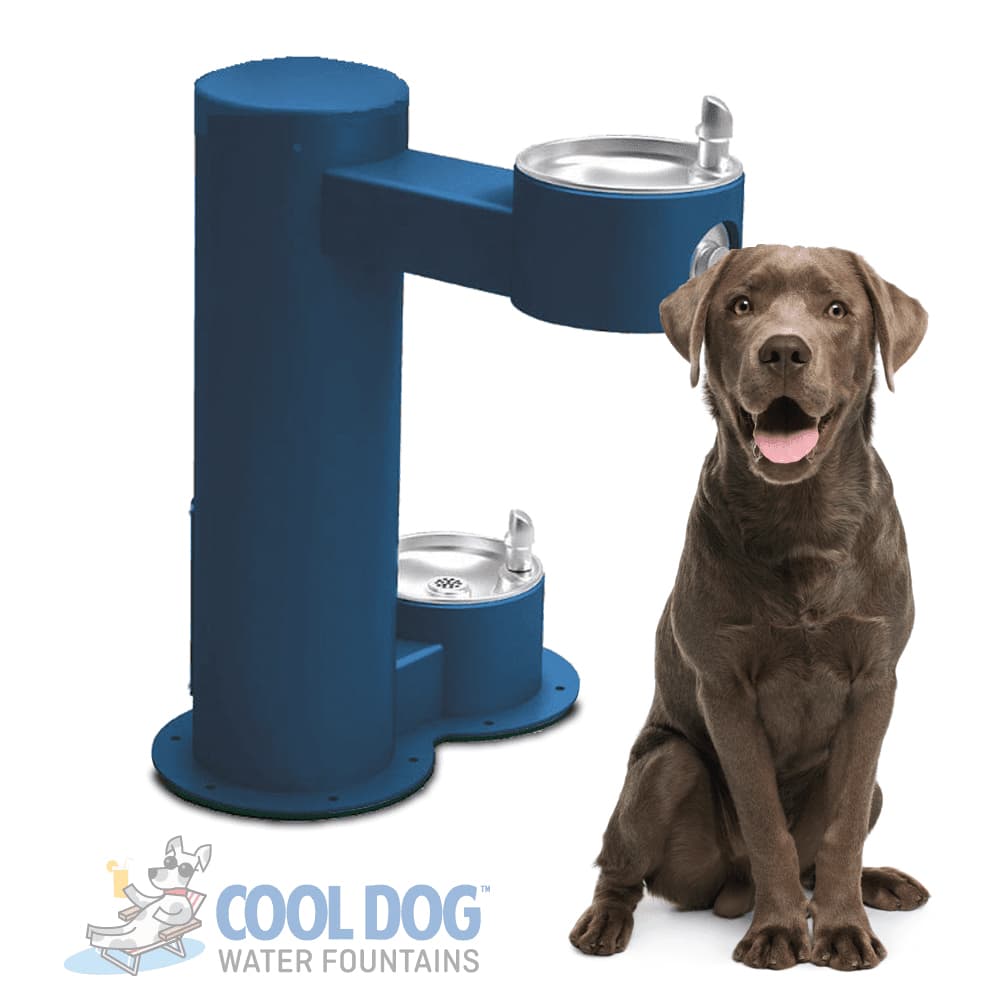
Quiet pet fountains
- Gentle trickle offers a sound cue.
- Choose a low-noise model to avoid fear.
Wide, shallow bowls
- Less whisker stress and easier targeting.
- Great for short-nosed and senior dogs.
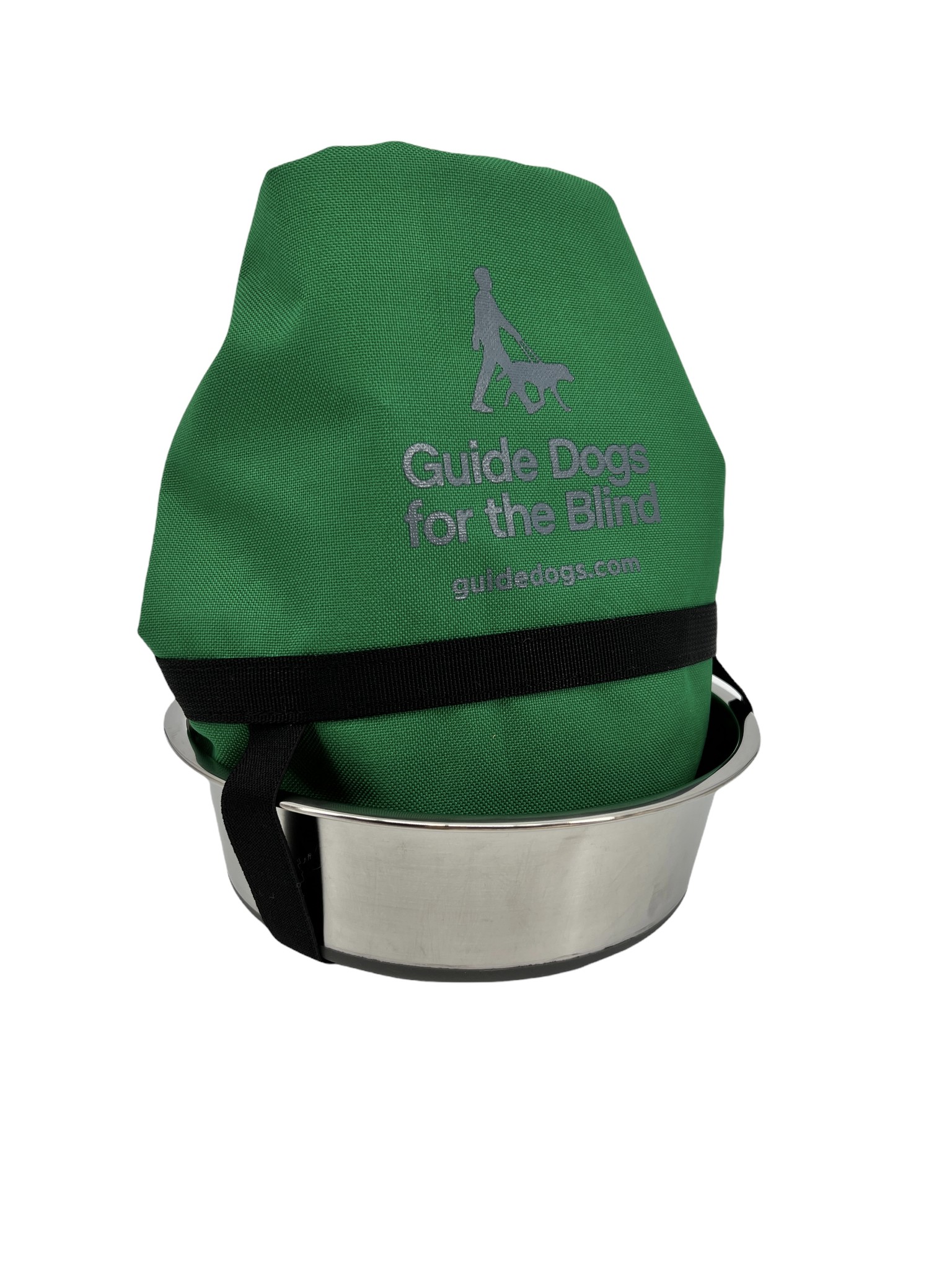
Travel bowls with anchor points
- Foldable silicone with a mat or strap.
- Keeps routine consistent on the go.
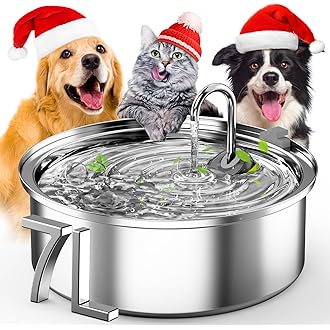
A mix often works best. For many homes, the best water bowl for blind dog is a wide stainless steel bowl on a grippy mat, near a soft trickle sound.
Key Features To Look For
- Non-slip base. A rubber ring or silicone mat keeps the bowl still.
- Weight and stability. Heavy bowls lower spill risk.
- Low noise. Metal-on-tile bangs can scare a blind dog.
- Height fit. Test flat vs raised. Watch posture and comfort.
- Wide opening. Reduces whisker fatigue.
- Gentle rim. No sharp edges or steep lips.
- High-contrast color. A white bowl on dark floors can help low-vision dogs.
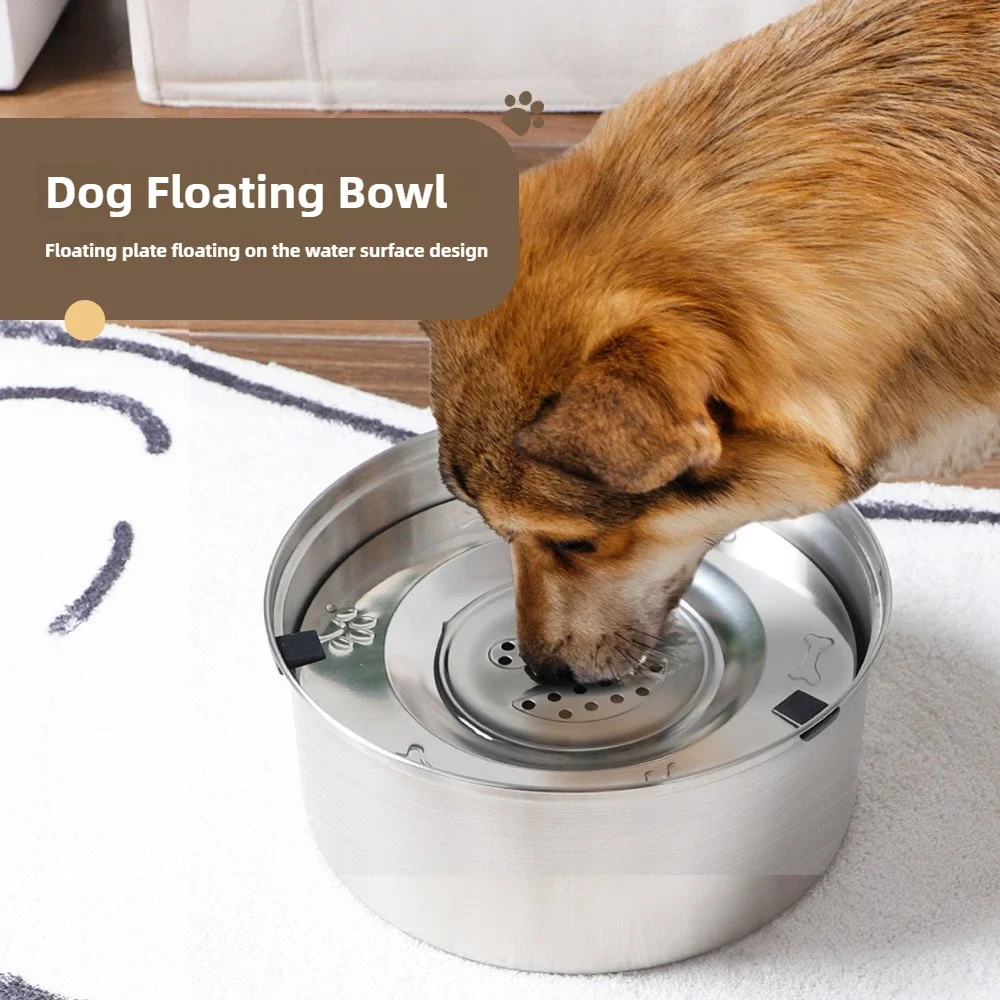
- Audible cues. A soft fountain or a floating ping ball can guide by sound.
- Easy-clean material. Stainless steel or ceramic is best for hygiene.
- Right capacity. Enough water for the day without going stale.
- Clear placement. A textured mat as a landmark near the water bowl for blind dog.
- Backup plan. A second water bowl for blind dog in a calm, fixed spot if your home is large.

Placement, Training, and Orientation
- Pick one spot. Keep the water bowl for blind dog there at all times.
- Add a textured mat. It acts like a front porch for the bowl.
- Create a scent and sound zone. Use a quiet fountain or place the bowl near a soft desktop fan for airflow cues.
- Guide gently. Lead your dog to the mat, let them sniff, and say a cue like “water.”
- Reward wins. Praise or treat after each sip during training.
- Build a route. Walk the same path from bed to bowl a few times a day.
- Remove clutter. Clear the lane and tape down rugs.
- Night lighting. Soft path lights help low-vision dogs.
Repeat the routine. Most dogs learn the route fast when the water bowl for blind dog never moves.

DIY Modifications and Budget-Friendly Hacks
- Use a silicone baking mat. Cheap, grippy, and easy to clean.
- Add a ping-pong ball. It bobs and makes a soft tap for sound guidance.
- Wrap the base. A strip of silicone or fabric reduces noise on tile.
- Make a tactile runway. Place a small carpet runner from bed to bowl.
- Contrast boosters. Put a light mat under a dark bowl, or the reverse.
- Travel anchor. Velcro a foldable bowl to a mat inside a crate.
These small tweaks turn a simple bowl into a reliable water bowl for blind dog without spending much.
Cleaning, Hydration, and Health Checks
Clean the bowl daily. Biofilm can grow fast and taste bad. Wash with hot water and a dog-safe dish soap, then rinse well.
Most dogs need about 0.5 to 1 ounce of water per pound of body weight per day. Track drinking. A smart water bowl for blind dog is useless if it stays empty.
Watch for red flags:
- Dry gums, thick saliva, or lethargy
- Sudden thirst or frequent urination
- Coughing or nose dips while drinking
If you see these, call your vet. For large breeds, talk with your vet before using a high raised bowl due to possible bloat risk reported in some research.
Mistakes To Avoid and Safety Risks
- Moving the bowl often. That breaks your dog’s mental map.
- Using harsh cleaners. Strong smells can repel a blind dog.
- Choosing tall, narrow bowls. They can stress whiskers and bump the nose.
- Picking loud fountains. Noise can make the bowl feel scary.
- Slippery floors. Wet tile plus no mat equals falls.
- Too many bowls at first. Start with one clear target. Add a second later if needed.
- Ignoring material. Plastic can scratch and hold odors. Stainless or ceramic is better.
A mindful setup makes a water bowl for blind dog safe, calm, and easy to use every day.

Real-Life Story: Helping Daisy Find Her Bowl
When I fostered Daisy, a blind senior, she kept walking past her water. I set a wide steel bowl on a ribbed silicone mat, then placed a quiet fountain nearby. I trained a route from her bed to the mat and said “water” at the edge.
By day three, Daisy marched right to it. No spills, no stress. The simple change turned her bowl into a sure thing. That is the power of a well-planned water bowl for blind dog.
Frequently Asked Questions of water bowl for blind dog
What size bowl is best for a blind dog?
Pick a wide, shallow bowl so the nose and whiskers do not get cramped. It is easier to target and reduces spills.
Should I use a raised stand for my blind dog?
Test both ways. Some dogs relax with a stand, but for large breeds, ask your vet first due to possible bloat risk.
How can I help my dog find the water every time?
Keep the bowl in one spot on a textured mat. Use a cue word like “water” and a soft sound, such as a gentle fountain.
What material is safest and easiest to clean?
Stainless steel or glazed ceramic is best. They resist scratches and clean well, which helps prevent bad tastes and biofilm.
Can I add flavor to the water to help?
You can add a little low-sodium broth at first, then fade it out. Do not use sweeteners or strong scents that may upset the stomach.
Is a fountain better than a regular bowl for blind dogs?
A quiet fountain can help because the sound guides the dog. Make sure the motor is soft and steady, not loud or scary.
How often should I replace the bowl?
Inspect monthly and replace if scratched or chipped. Deep scratches can trap bacteria and change the taste.
Conclusion
A steady setup, gentle cues, and smart design can turn any bowl into a safe landmark. Choose a stable, wide option, set it on a textured mat, and keep it in one spot. Train a simple route and reward success. With the right water bowl for blind dog, hydration becomes easy and calm.
Try one change today. Add a mat, a wider bowl, or a soft sound cue. Share your wins, ask questions, or subscribe for more home hacks for happy senior and special-needs dogs.