A wooden food tray with handles makes serving easy, stable, and stylish.
If you want a tool that looks good and works hard, this is it. I’ve tested many trays over years of hosting brunches and movie nights. A wooden food tray with handles stands out for comfort, grip, and charm. In this guide, I’ll help you pick, use, style, and care for yours with ease. You will learn what matters, what to avoid, and how to get the best value for your home.
What is a wooden food tray with handles?
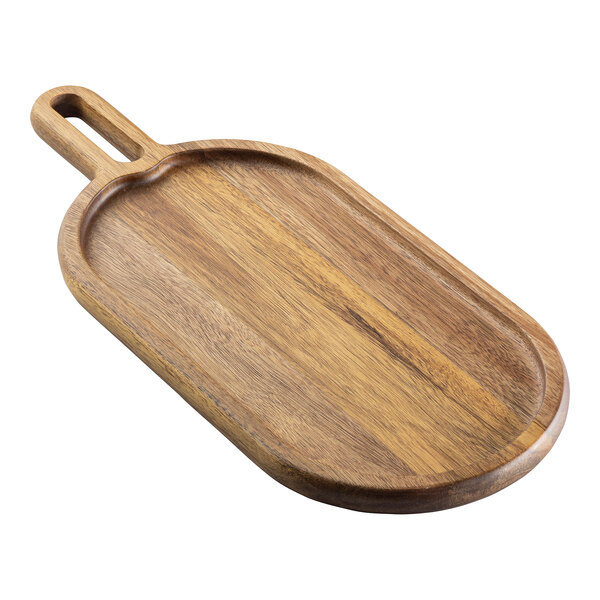
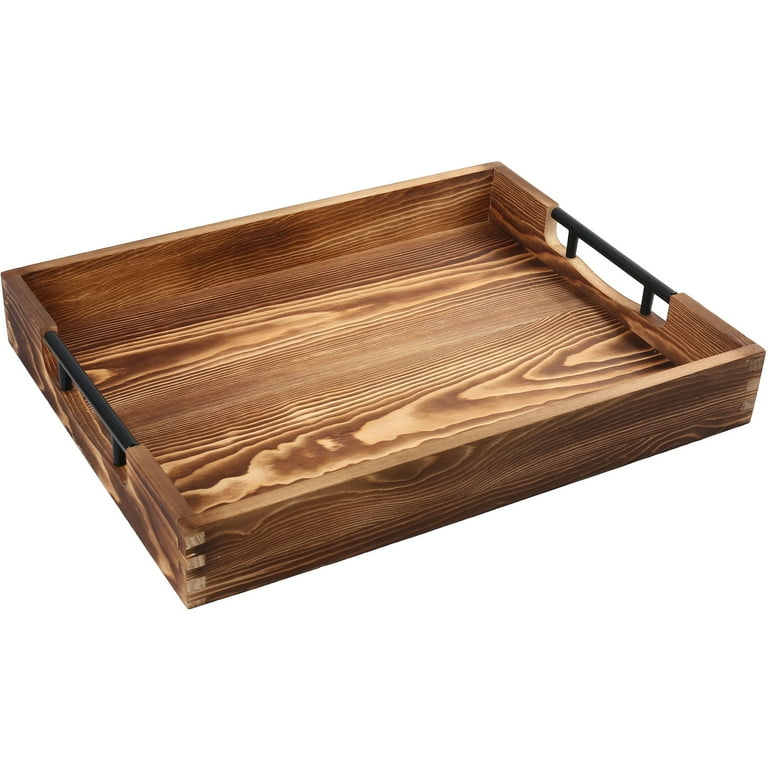
A wooden food tray with handles is a flat board with raised sides and built-in grips. It lets you carry drinks, plates, and snacks without spills. It is strong, warm to the touch, and easy to hold.
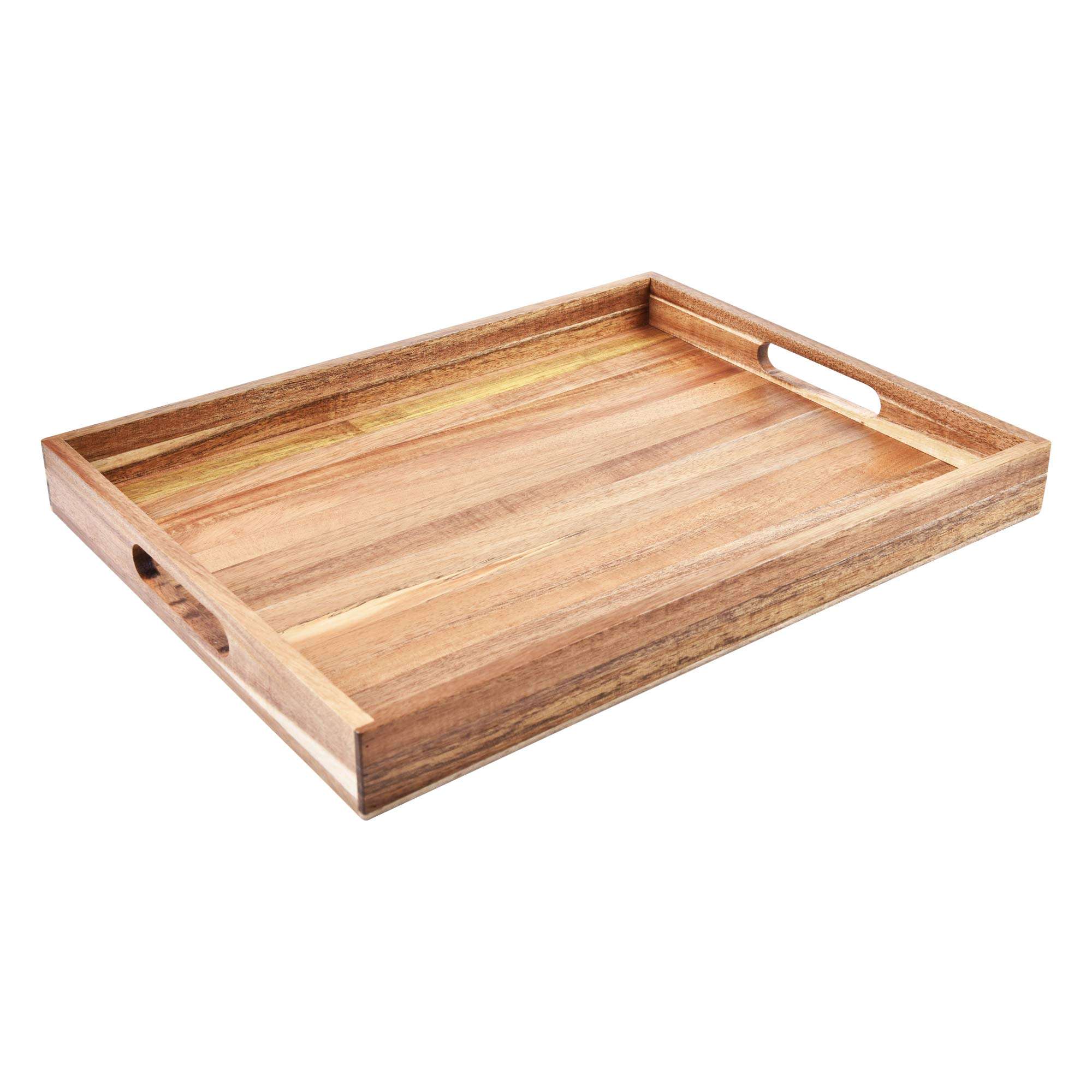
Most models use hardwood like oak, walnut, acacia, or maple. Some use bamboo, which is a fast-growing grass. Common sizes range from 12 x 16 inches to 16 x 20 inches. Depth is often 2 to 3 inches, with cutout or attached handles for safe carrying.
Benefits and everyday uses
A wooden food tray with handles adds comfort and control. The handles keep your wrists in a neutral position. The wood reduces sliding and helps with heat from mugs and bowls.
You can use it in many spots:
- Breakfast in bed without crumbs on sheets
- Sofa snacks while streaming on a rainy day
- Patio drinks and tapas for sunset hour
- Entryway organizer for keys, mail, and sunglasses
- Coffee bar caddy for mugs, syrups, and spoons
In my home, one sturdy tray has lasted six years. It has hosted birthdays, tea time, and late-night ramen. It still looks great with a quick oil rub every few months.

Types of wood and finishes
Your wooden food tray with handles will feel and age based on the wood and finish.
Common woods:
- Acacia: Dense, rich color, good value, water resistant.
- Maple: Light color, smooth grain, very durable.
- Oak: Strong, classic grain, easy to refinish.
- Walnut: Dark, premium look, stable.
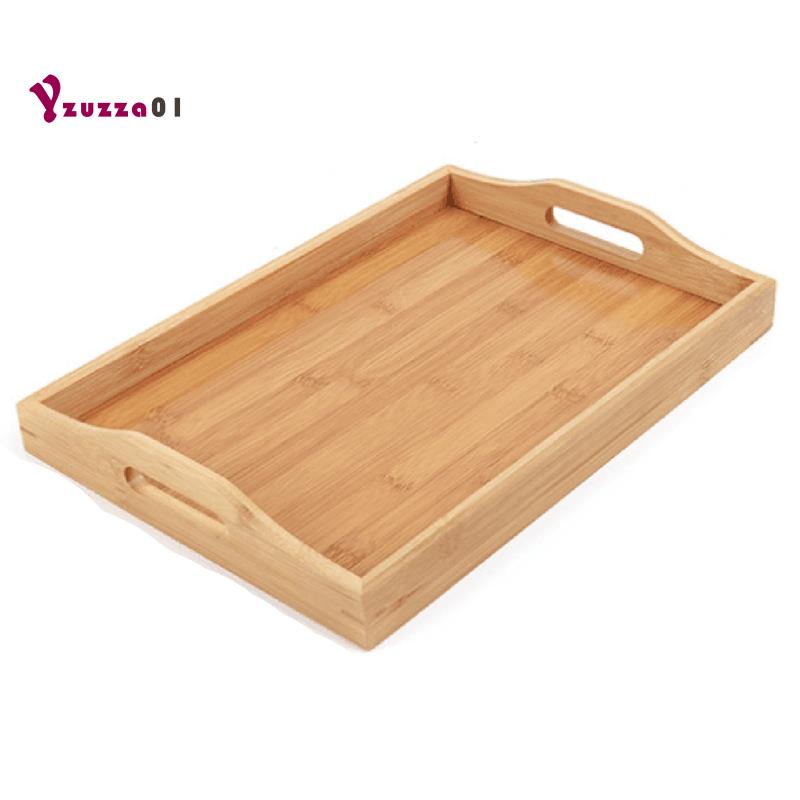
- Bamboo: Eco-friendly option, light and hard.
Finishes:
- Food-grade oil like mineral oil or walnut oil. Easy to refresh. Matte look.
- Beeswax blends. Adds a soft sheen and light water resistance.
- Hardwax oil. Deeper protection with a natural feel.
- Varnish or polyurethane. Strong seal, glossy or satin. Can show wear if chipped.
Studies on wood show some species can inhibit bacteria more than plastic under certain conditions. That does not replace proper cleaning. Choose a food-safe finish. Confirm the maker labels it as safe for contact.
Design features and ergonomics that matter
A wooden food tray with handles should feel safe and steady. Look for details that improve comfort.
Key features:
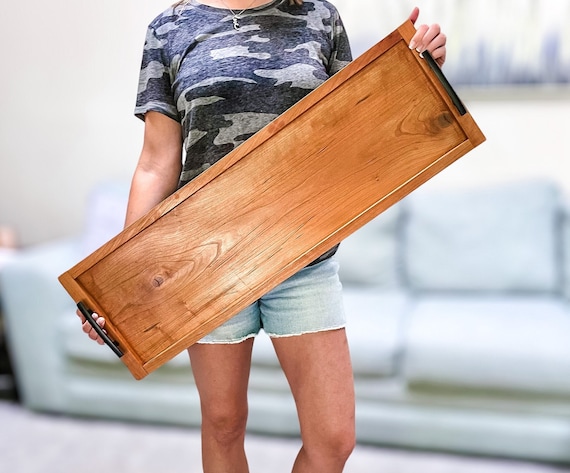
- Handle style: Cutout handles feel sleek and reduce hardware snags. Side-mounted handles add grip even with thick blankets.
- Handle gap: Leave enough space for fingers. Aim for at least 1 inch high and 3 inches wide per hand.
- Weight balance: The tray should not tilt when you place two drinks on one side. Test by moving a mug around the surface.
- Edge height: A 1.5 to 2.5 inch rim helps prevent slides. Too high can block plates.
- Feet or pads: Silicone or cork feet stop slipping and protect tables.
- Joinery: Dovetails or tight miters mean long life. Loose joints lead to wobble.
Pro tip from hosting: a tray under 4 pounds is easy to carry loaded. Over 6 pounds can tire your wrists on stairs.
Size and capacity guide
Pick size by use. A wooden food tray with handles should match your space and load.
Simple rules:
- Sofa use: 12 x 16 inches fits remotes and two mugs.
- Bed use: 14 x 18 inches fits a plate, bowl, and drink.
- Party use: 16 x 20 inches holds a teapot, four cups, and snacks.
Capacity depends on wood and build. Many trays hold 10 to 20 pounds with no flex. Check for a solid base and strong corners. If you carry glass pitchers, go wider and choose thicker walls.
Care, cleaning, and maintenance
Care is simple. A wooden food tray with handles stays beautiful with light upkeep.
Do this after each use:
- Wipe with a damp cloth and mild soap.
- Dry at once with a towel.
- Stand it on edge to air dry fully.
Monthly or as needed:
- Rub a small amount of food-safe oil. Let it soak. Wipe off excess.
- For odor, use a paste of baking soda and water. Rinse with a damp cloth.
Avoid:
- Soaking in water
- Dishwasher heat and steam
- Bleach or harsh cleaners
- Direct sun for long periods
If the surface looks dull, sand lightly with a fine pad, then re-oil. If you see deep cracks, stop using it for food until you repair or replace it.

Buying guide and checklist
A wooden food tray with handles should meet your needs and budget. Use this quick list when you shop.
What to check:
- Wood type that matches your style and use
- Food-safe finish, clearly labeled
- Smooth sanded edges with no splinters
- Strong, even handles with room for fingers
- Flat base with pads for grip
- Weight under 4 to 5 pounds for daily carry
- Warranty or return policy
Price ranges vary by size, wood, and brand. Budget trays work for light snacks. Pay more for solid hardwood, fine joinery, and a durable finish. That cost pays off over years.
DIY: make your own tray
If you enjoy projects, you can build a wooden food tray with handles in a weekend. Keep it simple at first.
Tools:
- Saw, drill, clamps, sander
- Measuring tape, square, safety gear
Materials:
- One 12 x 18 inch hardwood board for the base
- Two side rails and two end rails, 2 to 2.5 inches high
- Wood glue, brad nails or screws
- Food-safe oil or hardwax oil
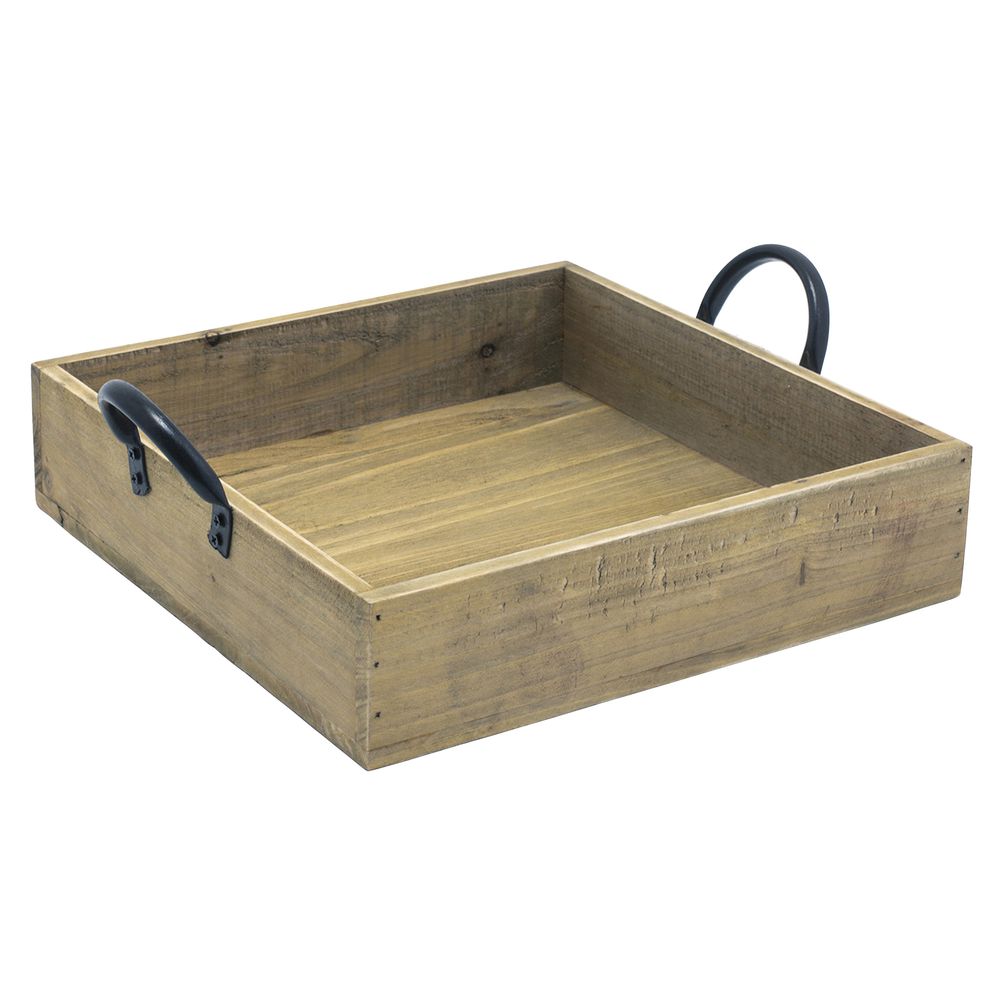
- Optional metal handles or cutout templates
Steps:
- Cut base and rails to size. Sand all parts smooth.
- Mark and cut handle cutouts in the end rails, or prepare hardware holes.
- Glue and clamp rails around the base. Add nails or screws for strength.
- Fill holes if needed. Sand edges until they are soft to the touch.
- Apply finish in thin coats. Let cure as instructed.
Safety note: Wear eye and ear protection. Let the finish cure fully before food contact.

Styling and serving ideas
A wooden food tray with handles can lift any space with little effort. Keep it fun and flexible.
Try these setups:
- Cozy breakfast: Stack a cloth napkin, a small vase, and a warm mug.
- Game night: Bowls for nuts and chips, coasters, and a deck of cards.
- Coffee station: Mug tree, sugar jar, spoons, and a small plant.
- Spa mood: Rolled towels, candle, and a spray bottle of distilled water.
- Entryway: Tray for keys, wallet, and a catch-all dish.
One tip from my events: use color contrast. Dark walnut makes white cups pop. Light maple makes black stoneware look sharp.
Sustainability, safety, and compliance
A wooden food tray with handles can be a greener pick than plastic. Look for certified or responsibly sourced wood. Bamboo grows fast and is a strong option.
Food contact safety matters. Choose finishes that state they are safe for surfaces that touch food. Some lab tests show wood can reduce bacterial survival over time. Cleaning still matters most. Be honest about use. If you serve raw meat, place a washable mat on the tray.
If you smell strong solvent odor after unboxing, air it out first. When in doubt, ask the seller for finish details and cure time.
Frequently Asked Questions of wooden food tray with handles
What size wooden food tray with handles should I buy?
Pick size based on where and how you serve. For bed or sofa use, 14 x 18 inches is a safe, flexible choice.
Can I put hot pots on a wooden food tray with handles?
Yes, but use trivets. Wood handles heat better than metal, yet very hot pots can scorch finishes.
Is bamboo a good choice for a wooden food tray with handles?
Bamboo is durable, light, and eco-friendly. It makes a great everyday option at a fair price.
How often should I oil my wooden food tray with handles?
Oil it when the surface looks dry or feels rough. For busy homes, once every one to three months works well.
Can kids use a wooden food tray with handles safely?
Yes, with supervision. Choose a lighter tray with rounded edges and grippy feet to prevent slips.
Will a wooden food tray with handles warp?
It can if soaked or left in sun. Keep it dry, oil it, and store it flat or on edge.
Conclusion
A wooden food tray with handles brings order, comfort, and charm to daily life. It carries coffee, anchors a snack spread, and keeps small items tidy. With the right wood, finish, and features, it will serve you for years.
Choose a size that fits your space. Care for it with simple cleaning and an oil rub now and then. Ready to upgrade your routine? Try one at home this week, test it in a few spots, and see how much easier hosting feels. If you found this helpful, subscribe for more practical home tips or drop a question in the comments.