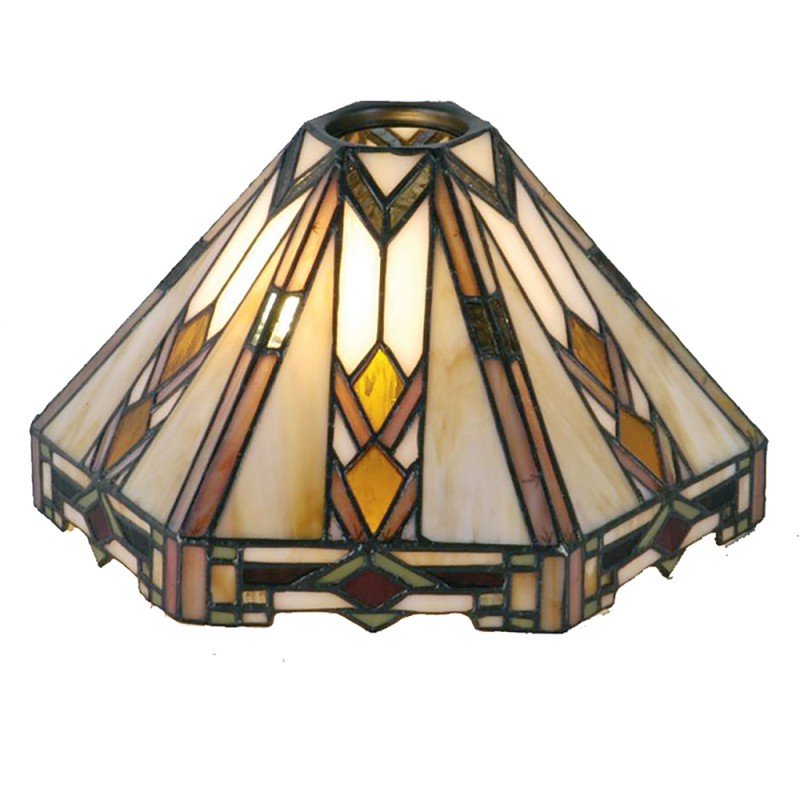
Tiffany stained glass lamp shades are handcrafted artworks that turn light into color.
If you love decor that feels alive, you’ll love tiffany stained glass lamp shades. I’ve spent years studying their history, buying them for clients, and restoring older shades. This guide shares what to look for, how to style them, and how to care for them. You’ll get expert tips, trusted facts, and real-world advice to help you choose and enjoy the perfect shade.

What Are Tiffany Stained Glass Lamp Shades?
Tiffany stained glass lamp shades are leaded or foiled glass shades made from many hand-cut pieces. The art lies in how each piece shapes light and color. When lit, they glow like a small sunset in your room.
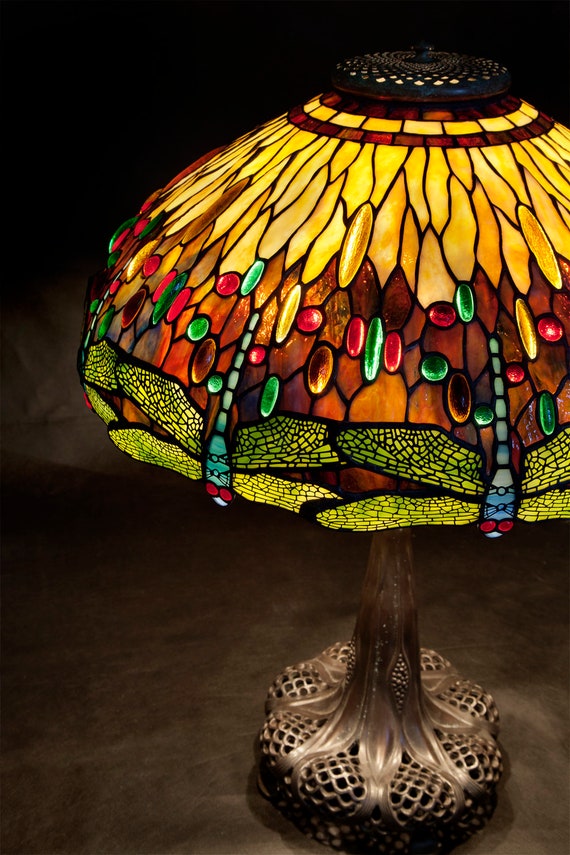
Each shade uses copper foil or lead came to join the glass. The best ones use rich opalescent glass that shifts in tone. That is why tiffany stained glass lamp shades look deep and warm, day or night.
A Brief History and Craftsmanship
Louis Comfort Tiffany helped popularize this art in the late 1800s. His studio refined the copper foil method, which lets artists create fine detail. Artisans, including skilled women designers, built shades that are still icons.
Original Tiffany Studios shades are museum-level pieces. Yet many modern makers follow the same steps. They cut glass by hand, foil it, and solder it with care. That craft is what gives tiffany stained glass lamp shades their soul.
Popular Styles and Motifs
You will see classic themes that repeat because they work so well. Each style creates a distinct mood and suits different rooms.
- Dragonfly: Lively wings and jeweled eyes. Great for reading nooks.
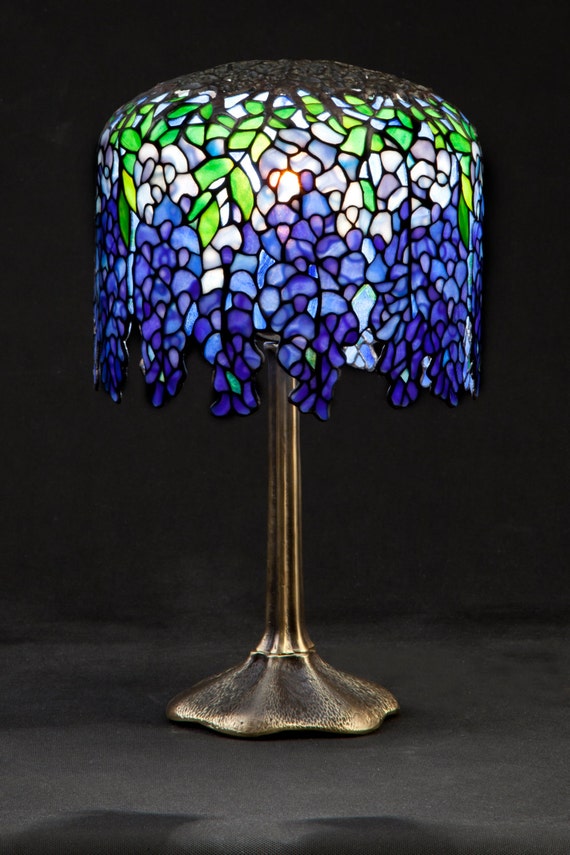
- Wisteria: Cascading blooms and complex shading. A showstopper for entries.
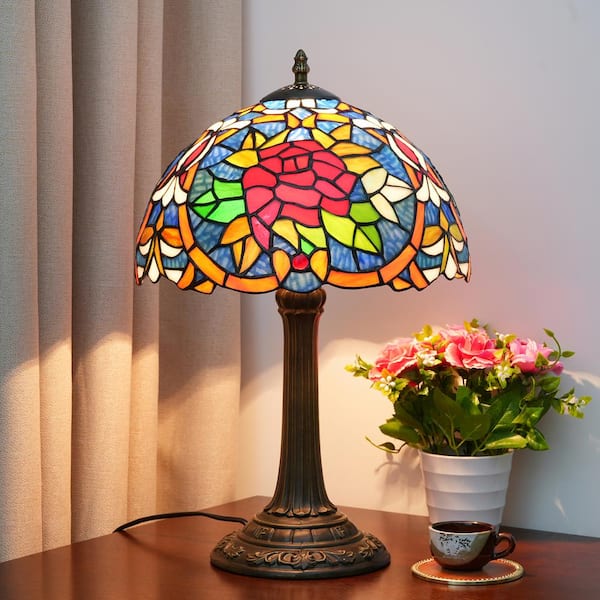
- Peony or Rose: Soft petals. Ideal for bedrooms and cozy corners.
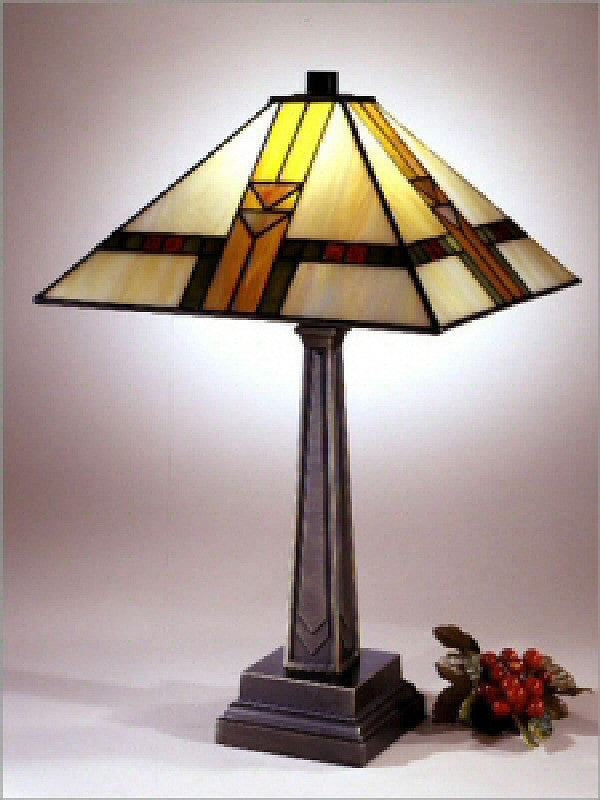
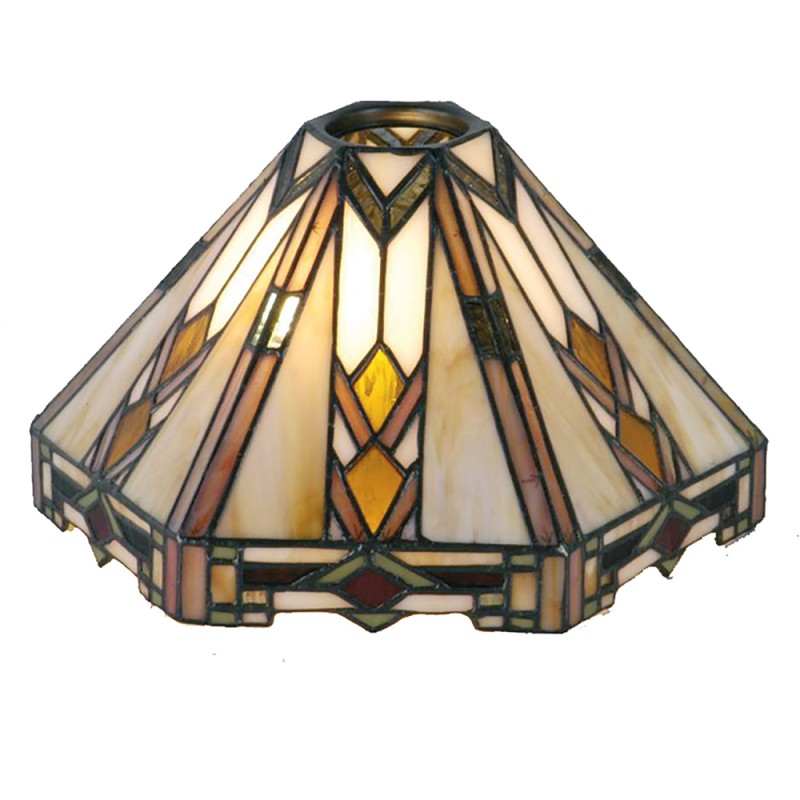
- Geometric or Mission: Clean lines and earth tones. Perfect for modern spaces.
- Nautilus or Shell: Flowing curves. A natural fit for coastal styles.
These motifs define how light spreads. That is why choosing the right tiffany stained glass lamp shades changes a space fast.

How to Choose the Right Shade for Your Space
Start with use and mood. Do you want a calm glow or bright task light? A deep-toned shade gives a warm pool of light. A lighter shade spreads light wider.
Match color and contrast to your room. Cool blues and greens calm a busy space. Warm ambers and reds add drama. If you own bold art, choose a simpler Mission pattern to balance it.
Check the base. A heavy base keeps the lamp stable. Make sure the fitter size matches the shade and that the sockets support your bulbs. When in doubt, ask the seller to confirm the fit.
Sizing, Bases, and Bulb Choices
Size affects both look and function. A small 12 to 14 inch shade suits side tables. Medium 16 to 18 inch shades work for desks and chests. Floor lamps often use 20 inches or more.
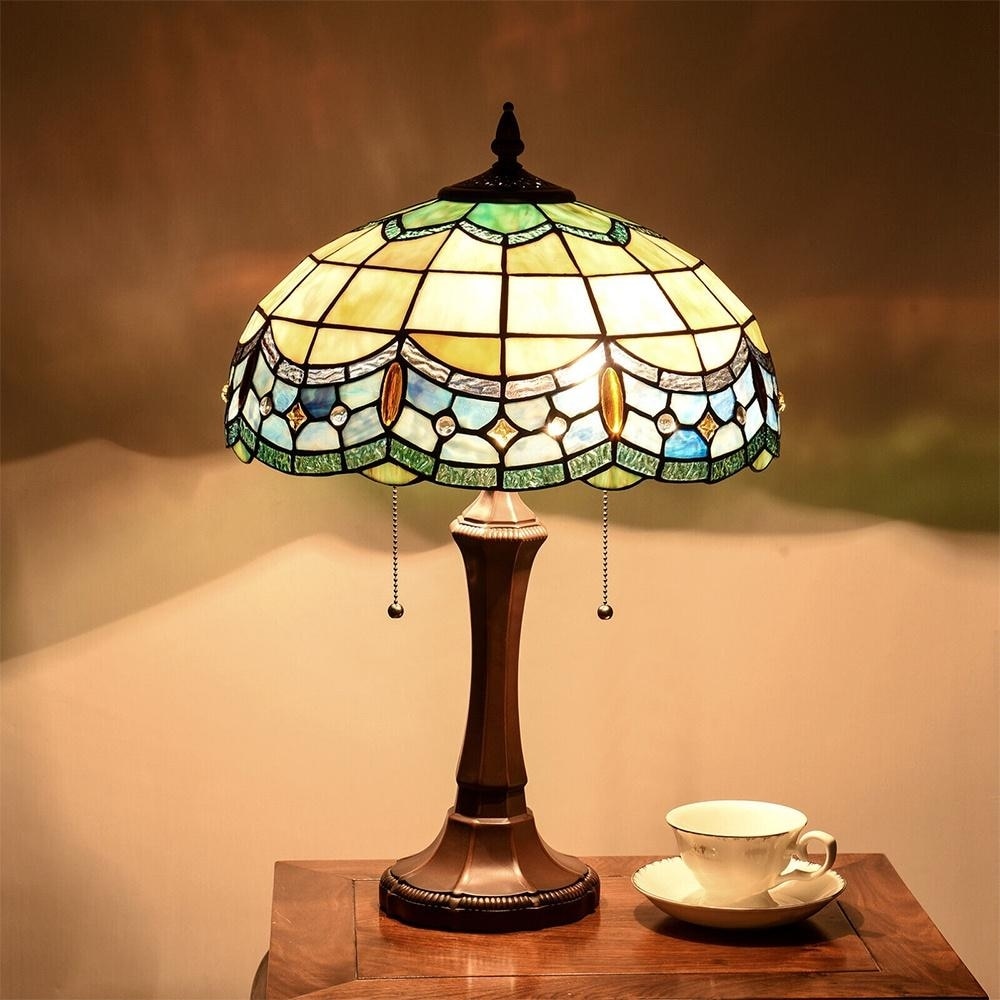
Pick bulbs for both light and heat. LED bulbs are best for tiffany stained glass lamp shades. They run cool and protect solder lines and foil. Use warm white (2700K to 3000K) for a classic glow.
Match base style to the shade. A simple bronze base pairs well with ornate glass. A filigree base can boost a plain geometric pattern. Balance matters more than brand.
Care, Cleaning, and Maintenance
Dust is the main risk. Use a soft brush or microfiber cloth each week. Wipe glass with distilled water and a tiny bit of mild soap. Dry right away.
Do not use ammonia or harsh cleaners. They can dull patina and weaken solder over time. Check the crown and rim for gaps. If you spot a crack, take it to a pro who knows stained glass work.
For wiring, safety comes first. If a lamp is older, get it re-wired with UL-listed parts. This protects you and the piece.

Authentic vs. Reproduction: How to Tell
True Tiffany Studios shades have top-tier glass, complex shading, and neat, even solder lines. Many have firm, smooth foil seams. The fitter ring is snug and solid. Makers’ marks and known bases can help, but marks alone are not proof.
Quality reproductions can still be great buys. Look for even color, good glass variety, and tight joins. Ask for clear photos of the inside seams. In my work, I pass on any shade with lumpy solder, weak foil, or noisy rattling glass.
Price, Value, and Investment Tips
Original Tiffany Studios shades can sell for six to seven figures. High-grade antiques from other makers can cost far less. Many new artisan shades range from mid-level to premium prices.
Value comes from design, glass quality, and condition. A rare motif with fine shading holds value well. Save all receipts and notes. If the lamp is historic, ask for a written opinion from a trusted dealer or appraiser.
If you buy for joy, you win either way. If you buy for value, do your homework. Compare sales of similar tiffany stained glass lamp shades before you bid or buy.
Where to Buy and What to Ask
You can shop at gallery dealers, auction houses, and specialist online shops. Estate sales can be a surprise source. Ask for detailed photos, shade diameter, fitter size, total height, and wiring status.
Good sellers share repair history and bulb limits. If photos hide the inside seams, ask for more. Request a short video with the lamp lit and unlit. That helps you judge glass depth and color blend.
Decorating Ideas and Real-Life Examples
I once placed a dragonfly table lamp on a walnut console. The space felt flat before. When we turned it on, the room came alive with warm jewel tones.
Try this:
- Use a Mission shade in a modern office to soften sharp lines.
- Place two small tiffany stained glass lamp shades on nightstands for balance.
- Hang a Tiffany-style pendant over a round dining table. Keep bulbs dimmable for dinner light.
Think of the lamp as a color anchor. Pull one hue from the shade into a throw pillow or rug. Your room will feel tied together with almost no effort.
Common Mistakes to Avoid
Avoid bulbs that run hot. High-heat bulbs can stress solder and glass. Pick LEDs with the right brightness.
Do not hide these shades in dark corners. Give them space so light can bounce. Keep cords neat and safe.
Do not chase price alone. Very cheap tiffany stained glass lamp shades can use flat, dull glass. Save for a better piece that you will enjoy for years.
Frequently Asked Questions of tiffany stained glass lamp shades
Are tiffany stained glass lamp shades made from real glass?
Yes, they use real stained or opalescent glass cut into many pieces. The pieces are joined with copper foil or lead came and then soldered.
How do I clean a Tiffany-style shade safely?
Dust often with a soft brush or cloth. For grime, use mild soap with distilled water, then dry right away and avoid ammonia.
What bulbs work best for these shades?
LED bulbs are ideal because they run cool and protect the solder. Choose warm white for a classic look and check the lamp’s wattage rating.
Can I use a modern base with an older shade?
Yes, if the fitter size and balance are correct. Make sure the base is stable, the wiring is safe, and the style suits the shade.
How can I tell if a shade is high quality?
Look for rich glass with depth, tight seams, and smooth solder. Uneven lines, rattling pieces, and dull colors are red flags.
Do tiffany stained glass lamp shades suit small rooms?
They do, as long as you pick the right size. Smaller shades add color and charm without crowding the space.
Will sunlight fade the glass?
Good opalescent glass resists fading, but foil and patina can age. Keep shades out of harsh direct sun for long periods.
Conclusion
Tiffany stained glass lamp shades bring color, craft, and calm into daily life. When you choose the right size, base, and bulb, the lamp does more than light a room. It sets a mood you feel every time you walk by.
Pick a motif you love. Place it where it can shine. Care for it with simple habits, and it will reward you for years. Want more tips or help finding a piece? Subscribe, ask a question, or share your space and I’ll help you match the perfect shade.