This is a spoon game is a quick call-and-response group game using any object.
If you want a fast, funny, zero-prep activity that builds focus and gets everyone laughing, this is a spoon game delivers. I’ve led it at camps, in classrooms, and at team off-sites, and it never fails. In this guide, I’ll show you how this is a spoon game works, why it boosts attention and listening, and how to adapt it for any age, group size, or setting.

What is “This Is a Spoon” game?
This is a spoon game is a verbal passing game where players send objects around a circle while using a set script. One player starts with a real object (often a spoon). They present it to a neighbor and say, “This is a spoon.” The neighbor replies, “A what?” The call-and-response bounces back and forth, then the object gets passed along.
It sounds easy. It becomes hilarious chaos once several objects move at once and scripts overlap. It takes 5–15 minutes, works with 6–20 players, and needs only everyday items. It’s perfect for icebreakers, classroom warm-ups, language practice, and team-building. The heart of this is a spoon game is simple rules that test attention, memory, and timing.
Why this game works
This is a spoon game hits a sweet spot: it is simple to start, but it scales in complexity. Research on working memory shows that managing small chunks of information under time pressure sharpens focus. This game forces your brain to track words, direction, and turn order at once.
It also supports language fluency. Call-and-response practice builds clear diction and active listening. In groups, predictable scripts reduce anxiety, so even shy players speak up. That blend of safety and challenge makes this is a spoon game a keeper for classrooms and teams alike.

How to play: setup and rules
Follow these quick steps to run this is a spoon game with confidence.
Setup
- Seat players in a circle so everyone can see each other.
- Choose one safe object per starting point. A spoon is classic, but any small item works.
- Pick one leader to start the first object.
Core script
- Presenter to neighbor: “This is a spoon.”
- Neighbor back to presenter: “A what?”
- Presenter repeats: “A spoon.”
- Neighbor repeats back down the line: “A what?”
- Presenter confirms: “A spoon.”
- Pass the object to the neighbor who asked.
Step-by-step flow
- The leader turns to Player A and says, “This is a spoon.”
- Player A asks, “A what?”
- The leader says, “A spoon.”
- Player A turns to Player B, asks, “A what?”
- The leader confirms, “A spoon,” and Player A passes the spoon to Player B.
- Once the circle gets the rhythm, introduce a second object from a different point with the same script.
- Keep adding objects to raise the challenge.
Rules that keep it fun
- Keep the exact words. Do not paraphrase.
- Make eye contact with the person you speak to.
- If you forget the line, pause and restart the exchange calmly.
- Start slow. Build speed only after two clean laps.
/pic4739608.jpg)
A sample round you can copy
Here is a short script for two neighbors to model in front of the group before starting this is a spoon game.
Leader to Alex: “This is a spoon.”
Alex to Leader: “A what?”
Leader to Alex: “A spoon.”
Alex to Bea: “A what?”
Leader to Alex: “A spoon.”
Alex passes spoon to Bea.
Repeat the same lines as items move around. The steady echo makes the joke land, and the rhythm keeps the group in sync.

Fun variations and difficulty levels
Level up this is a spoon game once the group has the basics.
Add more objects
- Start with one spoon, then add a pen, a key, or a toy.
- Each object keeps the same script, which multiplies the noise and fun.
Rename the object
- Presenter says, “This is a banana,” while holding a spoon.
- The group must use the spoken name, not the real one.
Reverse direction
- On a clap, all objects switch direction.
- Great for quick reactions and laughter.
Speed rounds
- Use a 30-second timer to see how far objects travel.
- Try to beat your own record.
Silent switch
- Players can only speak the script. Any extra words cost a restart.
- This boosts focus and clean timing.
Tips, strategy, and common mistakes
From running this is a spoon game with dozens of groups, a few patterns stand out.
Tips that help
- Hold the object near your chin so your voice projects.
- Lock eyes with the right neighbor before you speak.
- Keep your tone calm. Fast voices cause fast errors.
Mistakes to avoid
- Dropping the exact words. “Here’s a spoon” breaks the rhythm.
- Passing before the confirmation. Always wait for “A spoon.”
- Talking to the wrong person. Turn your shoulders toward the target.
A quick story from my sessions
I once added three objects at once for a team that loved speed. Chaos erupted. We reset, added one object every 45 seconds, and the fun came back with fewer mistakes. With this is a spoon game, pacing is everything. Build pressure in steps, not leaps.

Classroom, camp, and team uses
This is a spoon game fits many goals without extra prep.
For language learning
- Great for ESL classes to practice clear sounds and turn-taking.
- Swap in target words to reinforce vocabulary sets.
For speech and drama
- Warm up voices, diction, and eye contact in five minutes.
- Add gestures to build stage presence.
For team-building
- Low stakes, high laughs. Everyone can join and win together.
- Debrief after: What helped you focus under noise?
Remote or hybrid play
- Use a video call. Two people mime “passing” the object on camera.
- Keep the same script. Name the next person before you “pass.”
This is a spoon game shines because it scales up or down in seconds.

Safety, accessibility, and etiquette
Keep people safe, calm, and included while playing this is a spoon game.
Object safety
- Use soft, clean items. Avoid glass or sharp edges.
- Sanitize objects if multiple groups will use them.
Accessibility
- Offer seated play and clear visuals for lip reading.
- Use captioned slides with the script for hard-of-hearing players.
Group care
- Keep volume friendly. Cheer, do not shout at errors.
- Rotate starting points so no one feels on the spot.

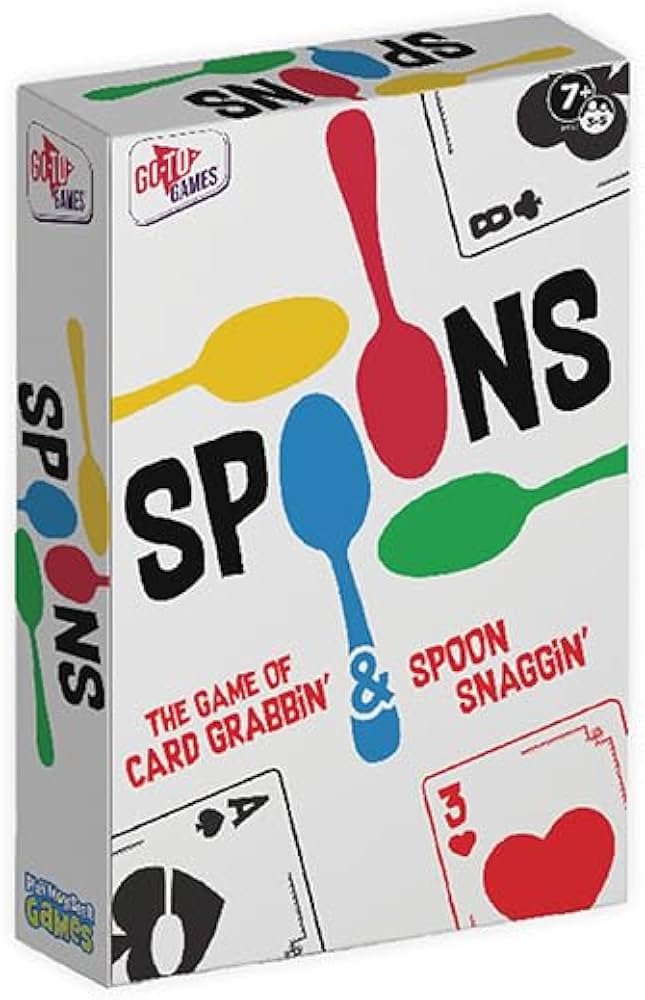
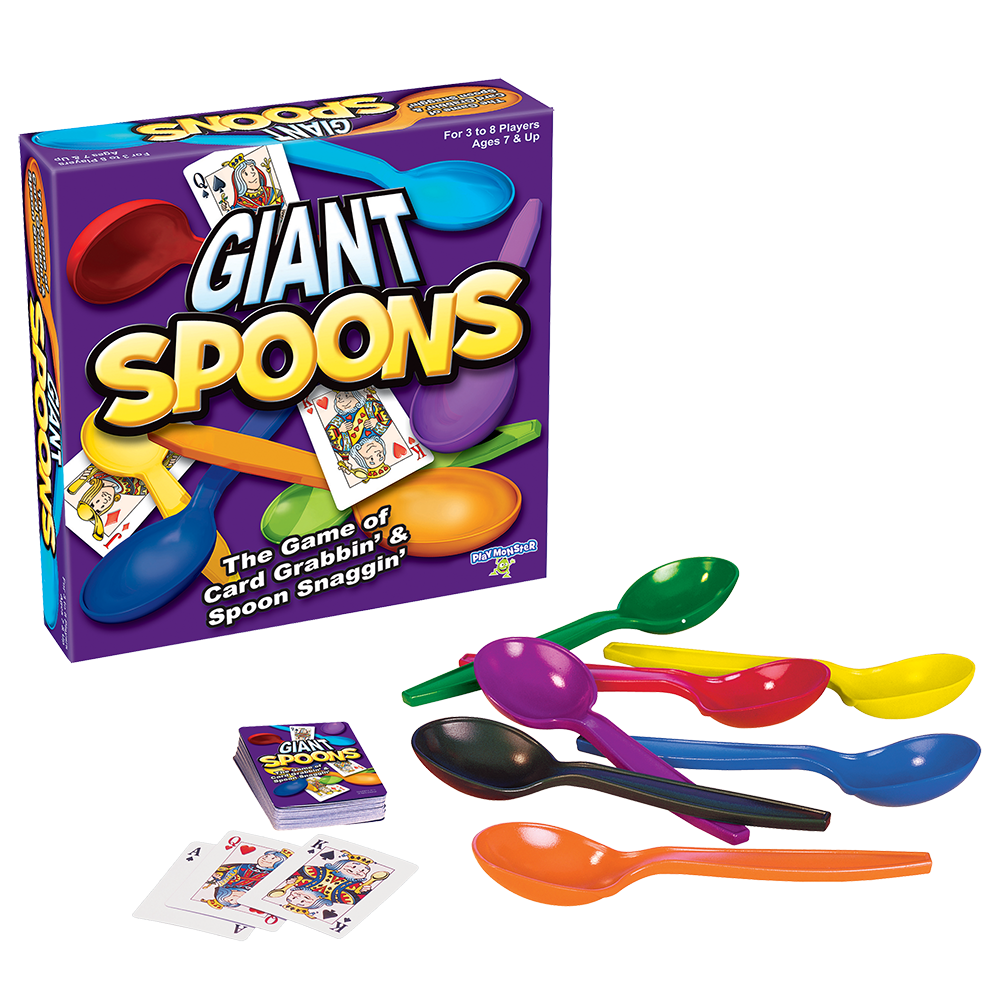
This is a spoon game vs. Spoons the card game
Many people mix up this is a spoon game with Spoons, the classic card-grab game.
Key differences
- This is a spoon game is a verbal passing game with a fixed script.
- Spoons is a fast card game where you grab spoons when you score a four-of-a-kind.
- One builds listening and timing. The other tests pattern spotting and speed.
If a search led you here for the card game, you now know the difference. If you wanted the verbal party classic, you are in the right place.
One-minute printable guide
Use this quick reference to launch this is a spoon game on the spot.
You need
- 1–3 small safe objects
- 6–20 players in a circle
- A timer or clap for pacing (optional)
Script
- Presenter: “This is a spoon.”
- Neighbor: “A what?”
- Presenter: “A spoon.”
- Neighbor to next: “A what?”
- Presenter: “A spoon.”
- Pass on confirmation.
Flow
- Start with one object.
- Add one new object every 30–60 seconds.
- Keep exact words. Keep eye contact. Keep it light.
Frequently Asked Questions of this is a spoon game
What is the goal of this is a spoon game?
The goal is to keep the script accurate while passing objects around the circle. Players practice focus, timing, and clear speech.
How many players can join this is a spoon game?
Six to twenty players works best. Larger groups can split into two circles.
Do I need an actual spoon for this is a spoon game?
No. Any small, safe object works. The spoon is a fun tradition, not a rule.
How long does a round of this is a spoon game last?
A round can be 5–15 minutes. Add or remove objects to fit your schedule.
Can kids and adults both enjoy this is a spoon game?
Yes. Kids enjoy the silliness, and adults love the quick challenge. Adjust speed and object count to match the group.
Conclusion
This is a spoon game is a fast, friendly way to wake up a room, sharpen listening, and spark laughter without prep. Start with one object, lock in the script, then dial up the fun with clever variations.
Try it in your next class, meeting, or party and watch the energy rise. Want more group-game guides like this? Subscribe for updates, share your favorite variation in the comments, or bookmark this page for your next session.