The Home Store oven cleaner is a low-cost foaming spray that cuts through tough grease fast.
If you need a budget-friendly cleaner that actually lifts baked-on grime, you’re in the right spot. I’ve used and tested the home store oven cleaner on real kitchen messes and learned what works, what doesn’t, and how to stay safe. This guide gives you clear steps, pro tips, and honest results so you can decide if the home store oven cleaner is right for your oven and your routine.
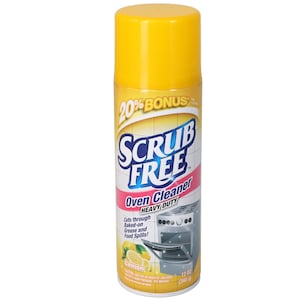
What is the home store oven cleaner?
The home store oven cleaner is an affordable, store-brand foaming degreaser. It is often sold at discount chains and dollar stores. Most versions use a lye-based formula that breaks down grease and carbon fast.
This cleaner is made for enamel oven interiors, glass doors, and oven racks. It can also help on grill grates and drip pans. Always check the label since formulas can vary by region or retailer.
In plain terms, the home store oven cleaner softens cooked-on food so you can wipe it away. Expect strong fumes, quick action, and a low price. If you want heavy-duty help without a big bill, it is a solid pick.

Ingredients and safety: what’s inside and why it matters
Many oven cleaners use sodium hydroxide (lye) as the main active. It turns grease into soap so it wipes off with water. You may also see solvents and surfactants that help the foam cling.
Safety comes first. This cleaner is caustic. It can burn skin and eyes. Wear gloves and eye protection. Vent your space well. Open windows and run the exhaust fan.
Do not mix the home store oven cleaner with bleach, vinegar, or other chemicals. That can release dangerous gases. Keep it off aluminum and soft metals. It can stain or pit them. If your oven is self-cleaning, follow the manual. Some coatings can be damaged by harsh cleaners.
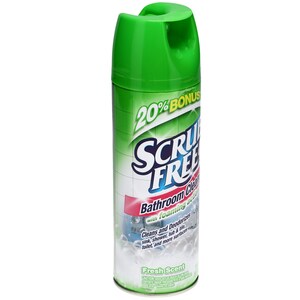
How to use the home store oven cleaner: a step-by-step guide
Follow your can’s directions first. Then use these simple steps that work in real kitchens.
Preparation
- Turn off and unplug the oven if possible. Make sure it is cool to the touch.
- Remove racks and drip trays. Lay them on newspaper or a trash bag.
- Vent the room well. Wear nitrile gloves and eye protection.
- Test on a small hidden spot for 2–3 minutes.
Application
- Warm the oven slightly for hard grime. Aim for just warm, not hot.
- Shake the can well. Spray an even coat on the interior surfaces.
- Avoid heating elements, gas ports, and seals.
- Close the door and let it dwell. Many labels call for 10–20 minutes. Heavy soil may need longer.
Removal
- Wipe with a damp microfiber cloth. Rinse and wring often.
- For corners, use a soft nylon brush or a non-scratch pad.
- Neutralize any residue with a mild vinegar-water wipe, then rinse with plain water.
- Dry with a towel and leave the door open to air out.
Racks
- Spray racks outdoors or in a well-vented garage.
- Let dwell, then scrub with a brush and rinse well.
If grease remains, repeat a short dwell. The second pass often brings the shine.
 performance: my tests and results”
style=”max-width: 100%; height: auto; border: 2px solid black; border-radius: 10px; display: block; margin: 0 auto;”
loading=”lazy”
/>
Real-world performance: my tests and results
I tested the home store oven cleaner on a three-year-old oven with baked lasagna spillover and roasted chicken drips. The door glass had a cloudy film. The racks had brown spots and sticky patches.
First pass took off most of the film on the glass in under 10 minutes. The floor spill softened but needed a second round and a plastic scraper. After two cycles, about 90% of the carbon came off. The rest lifted with a short third pass.
On racks, the foam clung well but needed light brushing. The smell was strong, so ventilation helped a lot. For the price, the home store oven cleaner punched above its weight. It was not as fast as some premium options, but it did the job without drama.
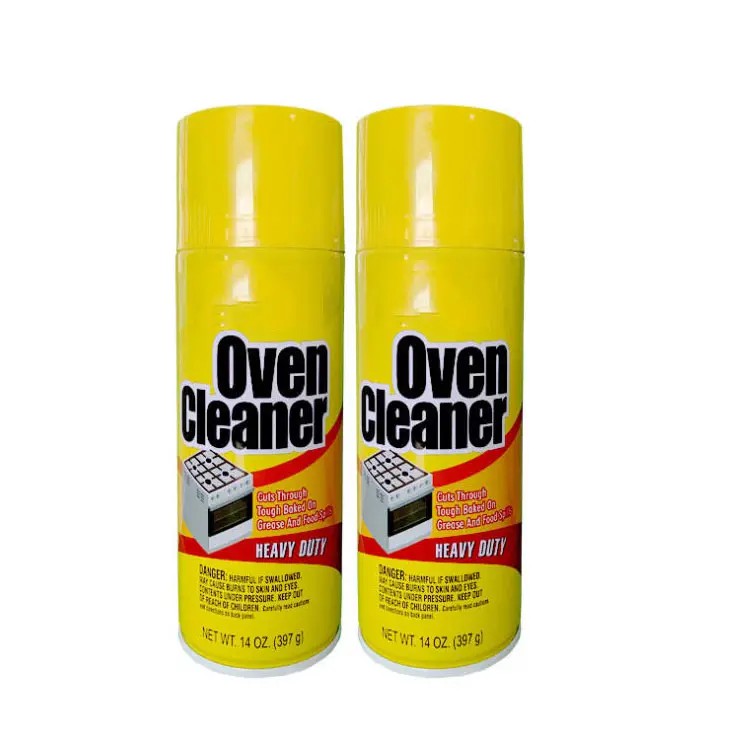
Mistakes to avoid with the home store oven cleaner
Avoid these common errors to save time and protect your oven.
- Skipping PPE. Always wear gloves and eye protection. This cleaner is caustic.
- Using on aluminum. It can darken or pit aluminum. Check pans and trim.
- Letting it dry fully on the surface. If the foam dries, re-wet before wiping.
- Spraying heating elements or igniters. These are off-limits.
- Mixing chemicals. Never blend with bleach, vinegar, or other cleaners.
- Ignoring dwell times. Too short and it won’t work. Too long can etch.

Surfaces: where you can and can’t use the home store oven cleaner
Most enamel oven interiors handle caustic cleaners well. The same goes for many glass oven doors. Stainless interiors can be fine if the steel is not brushed bare. Wipe and rinse well to avoid streaks.
Be careful on or avoid:
- Bare aluminum or anodized aluminum
- Painted or powder-coated trim
- Control panels and decals
- Heating elements and gas burners
- Stone countertops near overspray
When in doubt, test a small hidden spot. The home store oven cleaner is strong. Respect its limits and it will treat you well.

Alternatives and DIY options between deep cleans
Not every mess needs heavy-duty foam. Rotate lighter methods to reduce wear and fumes.
Gentle options
- Baking soda paste. Mix with water, spread, sit overnight, wipe in the morning.
- Hot water and dish soap. Great for fresh spills and door glass.
- Steam clean. Heat a pan of water and wipe while warm.
Plant-based degreasers can help with light film. For grills, hot soapy water and a nylon brush go far. Save the home store oven cleaner for burnt, black, or sticky messes that laugh at mild methods.
Keep your oven clean longer after using the home store oven cleaner
A little care cuts heavy scrubbing later. These habits help.
- Catch drips. Place a sheet pan under pies, lasagna, and roasts.
- Salt the spill. If something boils over, toss salt on it. It helps lift later.
- Wipe warm. After cooking, when the oven is just warm, do a quick wipe.
- Monthly mini-clean. Ten minutes a month prevents big jobs.
- Line smart. Use a removable oven liner rated for your oven type.
The cleaner your routine, the less often you need the home store oven cleaner.
Buying guide: versions, price, and what to check on the label
The home store oven cleaner appears in aerosol foam and occasional trigger-spray versions. Most are heavy-duty, not “fume-free.” Expect strong warnings on the can. This is normal for lye-based cleaners.
Before you buy, check:
- Dwell time guidance and “cold” or “warm oven” directions
- Warnings about aluminum and self-clean ovens
- Ventilation instructions and PPE icons
- Net weight and spray pattern notes
If you see “fume-free,” it may use a different base and need longer dwell times. Choose by your tolerance for odor and your soil level.
Storage and disposal: do it right
Aerosol cans are pressurized. Store the home store oven cleaner upright, in a cool, dry spot. Keep it away from heat, flames, and direct sun. Lock it away from kids and pets.
Use every last spray if you can. Follow your local rules for aerosol disposal. Many places allow recycling of empty, depressurized cans. For partly full cans, check hazardous waste guidelines. Rinse used cloths well and wash your hands after handling.
Frequently Asked Questions of the home store oven cleaner
Is the home store oven cleaner safe for self-cleaning ovens?
It depends on your oven’s manual. Many self-clean coatings warn against caustic cleaners. Check your guide first and spot-test if allowed.
Can I use the home store oven cleaner on oven racks?
Yes, but do it in a well-vented area. Spray, let dwell, scrub with a nylon brush, and rinse well to remove residue.
Will the home store oven cleaner damage aluminum?
It can. Lye can darken or pit aluminum. Avoid aluminum pans, trim, and filters with this cleaner.
How long should I leave the foam on?
Follow the label. Ten to twenty minutes is common. Heavy soil may need a second round rather than a much longer dwell.
Can I use it on the oven door glass?
Yes, with care. Keep foam off rubber gaskets, wipe gently, and rinse well to avoid streaks.
What PPE do I need?
Wear gloves and eye protection. Good ventilation is important. A simple mask can help with odor but does not replace fresh air.
Does the home store oven cleaner work on grills?
It can help on enamel-coated or steel grates. Avoid aluminum pieces. Rinse very well before cooking.
Conclusion
The home store oven cleaner is a tough, low-cost tool that earns its spot under the sink. It breaks down baked-on grease, clears cloudy glass, and revives racks with a little time and care. Respect its power, follow the label, and ventilate well.
Ready to try it? Start with a spot test, use the step-by-step plan above, and build a light-maintenance habit so deep cleans are rare. Want more practical cleaning guides like this? Subscribe, share your results, or drop your questions in the comments.