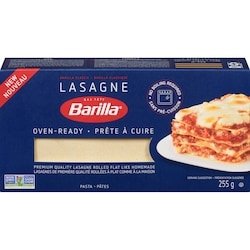
Oven-ready lasagna noodles are pre-cooked, dried pasta sheets that bake without boiling.
Curious about what is oven ready lasagna noodles and why cooks love them? I’ve tested them in busy home kitchens and professional settings. In this guide, I’ll explain what is oven ready lasagna noodles in plain words, show how they work, and help you bake a perfect pan on your first try. You’ll learn smart tips, fixes, and pro ratios that keep layers tender, not soggy.
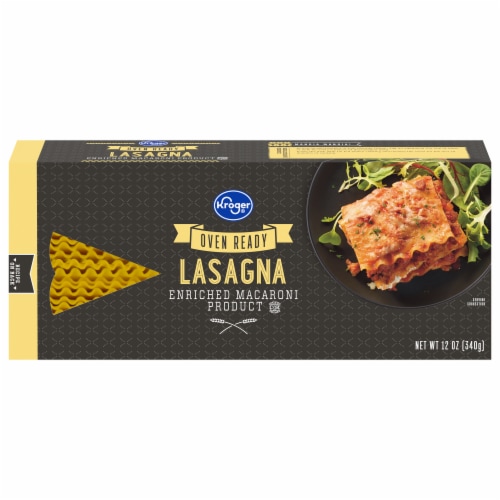
What Are Oven-Ready Lasagna Noodles?
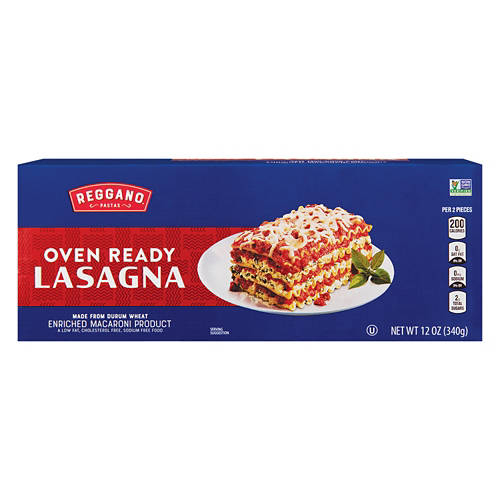
Oven-ready, or no-boil, lasagna noodles are pasta sheets that have been par-cooked during production, then dried very thin. They soften in the oven as they absorb moisture from sauce and cheese. That is why you can skip boiling and still get a tender bite.
Food science backs this up. Heat and water start gelatinizing starch during manufacturing. In the oven, steam and sauce finish the job. If you have asked yourself “what is oven ready lasagna noodles” when you see the box, think of them as ready-to-hydrate sheets.
I often hear new cooks ask what is oven ready lasagna noodles and if they taste the same as regular. When baked with enough sauce and covered at first, the texture is close to classic. The key is keeping the bake moist.
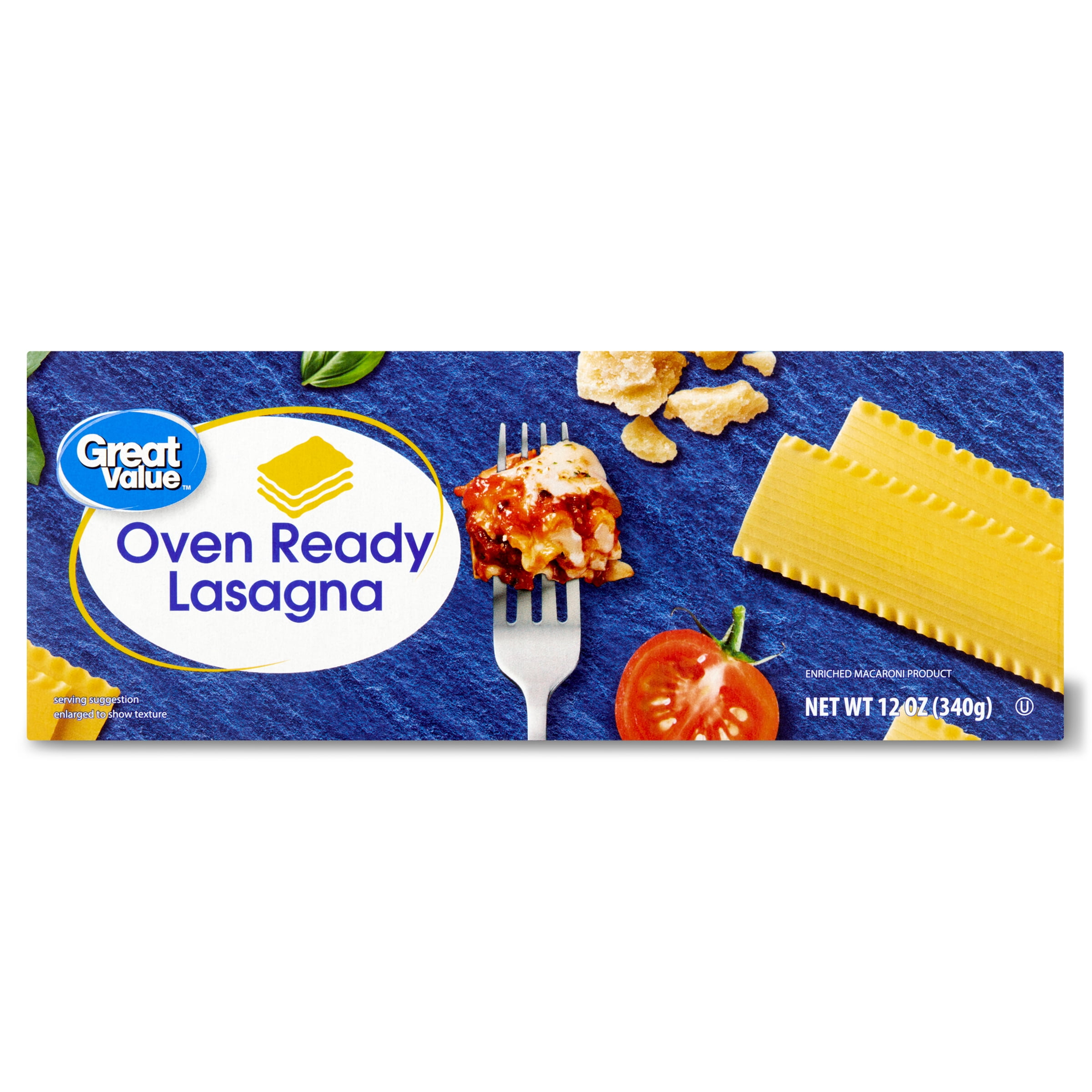
Oven-Ready vs Regular Lasagna Sheets
Both are wheat pasta. The main difference is how and when they hydrate.
- Prep time: Oven-ready sheets need no pot of boiling water. Regular sheets must be boiled or soaked.
- Sauce needs: Oven-ready noodles need more moisture. Regular noodles bring water from the pot.
- Texture: Oven-ready sheets can turn dry on the edges if the pan is under-sauced or uncovered too long.
- Ease: Oven-ready saves time and reduces dishes. Great for weeknights and make-ahead pans.
If you type what is oven ready lasagna noodles while shopping, remember this: they trade boiling for a wetter, well-covered bake.
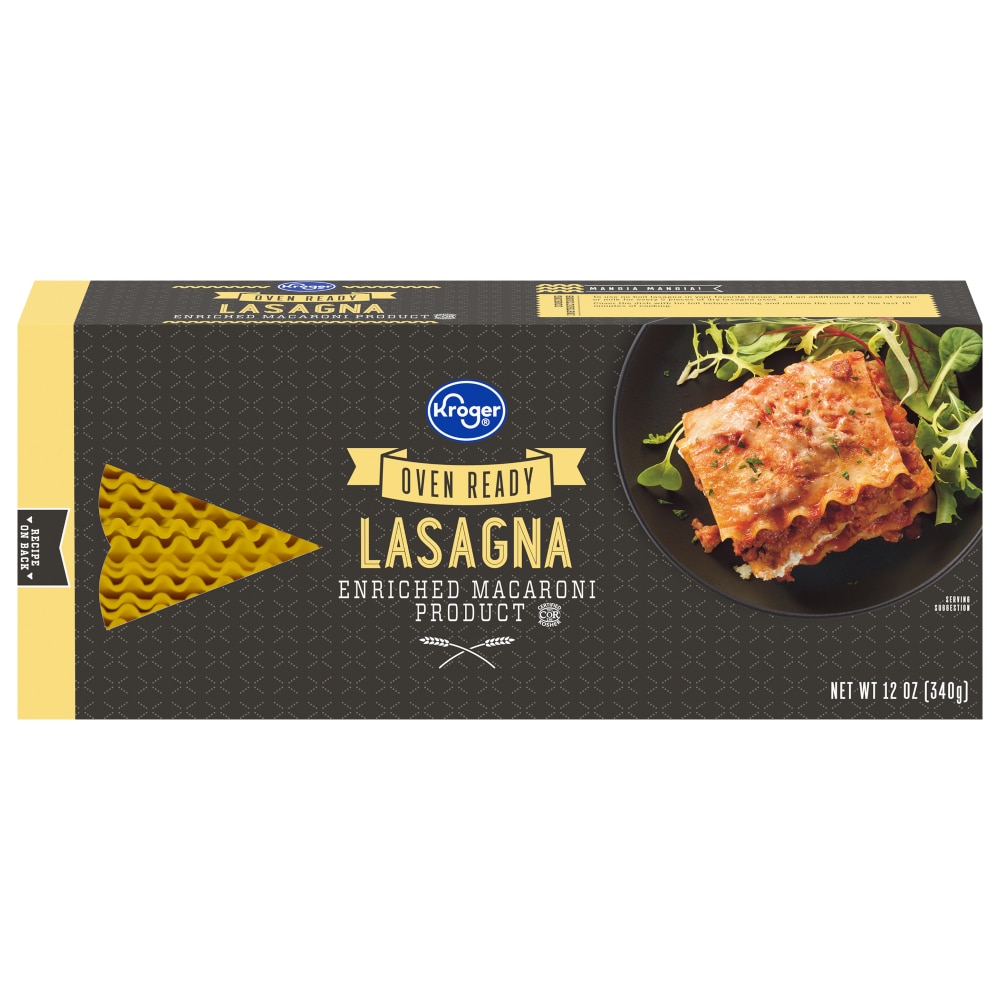
How Oven-Ready Noodles Work: The Simple Science
These sheets are thin and part-cooked. Their starch has a head start. In the oven, water moves from sauce into the noodle. Gentle heat finishes starch gelatinization, which brings a tender, sliceable texture.
- Moisture matters most. Thick, dry sauce will not hydrate the sheets.
- Steam is your friend. Foil traps steam so noodles soften fast and even.
- Time and temp: Most pans bake well at 375°F to 400°F for 35 to 50 minutes, covered first, then uncovered.
If you still wonder what is oven ready lasagna noodles at a science level, think “dehydrated, par-cooked pasta that drinks up sauce.”
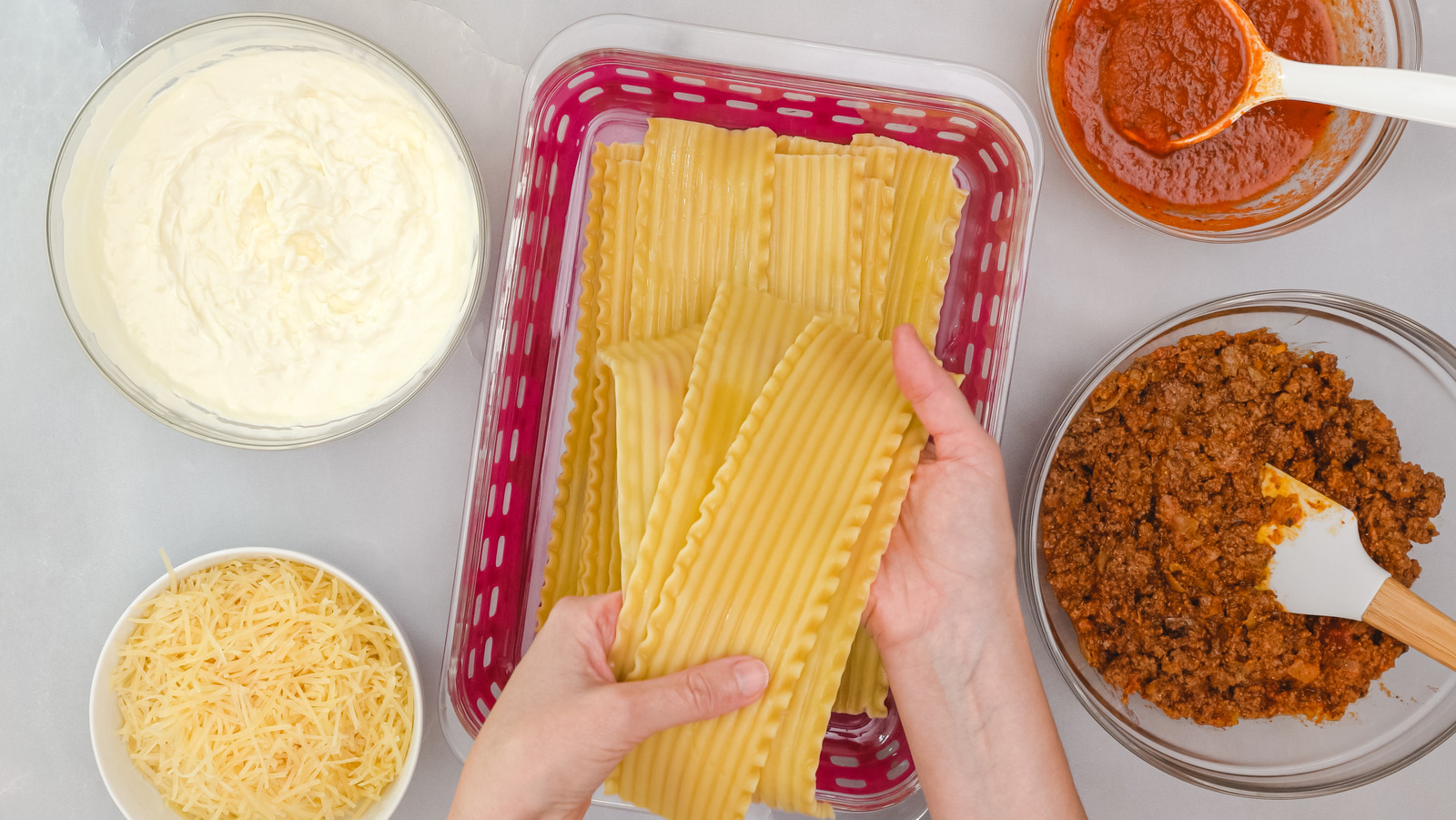
Step-by-Step: How to Use Oven-Ready Lasagna Noodles
Use this method for a 9×13 pan. It works for meat, veggie, or white-sauce styles.
- Preheat and prep
- Heat the oven to 375°F.
- Grease the pan lightly.
- Build a wet base
- Spread 1 cup sauce on the bottom.
- The sauce should be pourable, not paste-like. Add a splash of water or broth if thick.
- Layer
- Add a single layer of oven-ready sheets.
- Spoon on 1 to 1.5 cups sauce.
- Add cheese mix or fillings. Aim for even, thin layers.
- Repeat
- Do 3 to 4 layers of noodles.
- Plan on 5 to 6 cups total sauce in the pan.
- Top and cover
- Finish with sauce and cheese on top.
- Cover tightly with foil to trap steam.
- Bake and rest
- Bake 35 minutes covered. Uncover 10 to 15 minutes to brown.
- Rest 15 to 20 minutes before slicing so layers set.
I keep this guide taped inside my pantry. It removes guesswork for what is oven ready lasagna noodles and how to bake it right.
Common Mistakes and Easy Fixes
I’ve made these mistakes so you don’t have to. Here is what to watch for.
-
Dry edges
Fix: Add a rim of sauce around the pan. Cover for most of the bake. -
Tough bite
Fix: Sauce was too thick or low. Add 1 to 2 tablespoons water to each layer next time. -
Watery slices
Fix: Ricotta was very wet. Drain ricotta and sauté veggies to remove moisture. Rest longer. -
Uneven top browning
Fix: Uncover only at the end, and rotate the pan. -
Noodles floating or shifting
Fix: Start with sauce on the bottom. Press each layer gently to settle it.
If you search what is oven ready lasagna noodles because your first pan failed, try these quick fixes. They work.

Nutrition, Storage, and Safety
Most oven-ready noodles have nutrition close to standard dry pasta. Some brands use eggs or whole wheat. Always check the label if you watch sodium or fiber.
Store sealed boxes in a cool, dry place. Use within the best-by date for peak quality. For food safety, bake lasagna to an internal temp of 165°F. Cool leftovers fast and refrigerate within two hours. Reheat slices to 165°F.
If you’re asking what is oven ready lasagna noodles from a health view, it is simply pasta. Your sauce, cheese, and add-ins drive the calories.
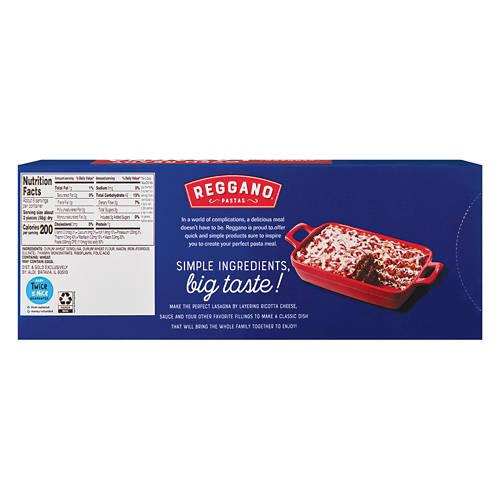
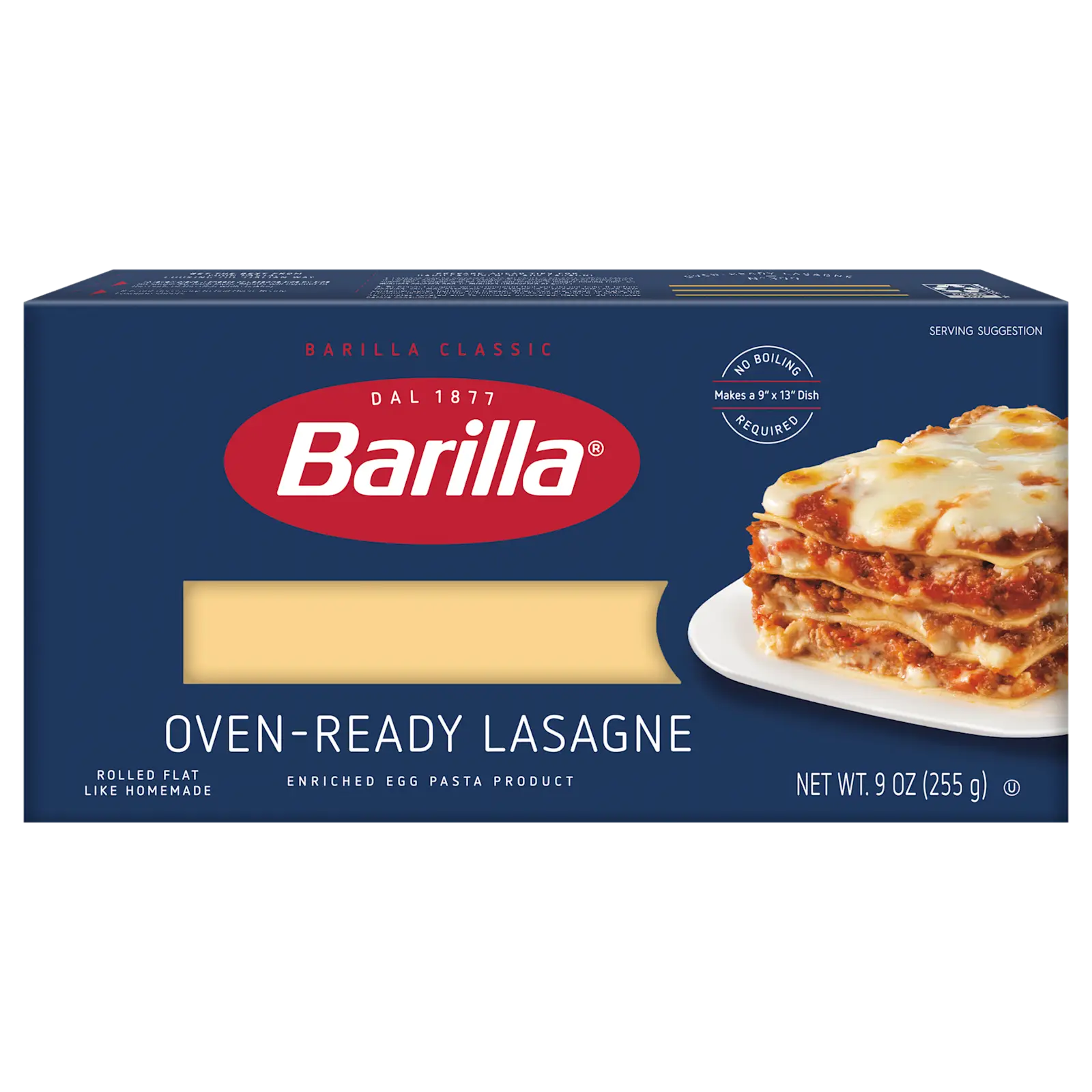
How to Choose Great Oven-Ready Noodles
Not all sheets act the same. Here is what to look for.
- Thickness: Slightly thicker sheets hold up in tall bakes. Thin sheets cook fast but can dry.
- Texture: Ridges grab sauce. Smooth sheets give a silky bite.
- Size: Match the sheet to your pan. Gaps lead to dry spots.
- Grain: Try whole wheat for more fiber. Gluten-free rice or corn blends can work well with extra moisture.
- Brand tests: Buy two brands and bake half pans. Pick the one that cuts clean and tastes tender.
If you are still deciding and searching what is oven ready lasagna noodles to compare options, start with a brand that shows ridges and clear cooking tips on the box.
Recipe Frameworks You Can Trust
Use these simple templates. Swap fillings to suit your taste.
-
Classic beef and ricotta
Sauce: 5 cups marinara with 1 pound browned beef.
Cheese: 15 ounces ricotta mixed with 1 egg, parsley, salt, and pepper. Add mozzarella on top. -
Spinach and mushroom
Sauce: 5 cups tomato-basil or light cream.
Filling: 12 ounces spinach, 8 ounces mushrooms, both sautéed to drive off water. Add ricotta for body. -
Chicken Alfredo
Sauce: 5 to 6 cups light Alfredo plus 1 cup broth to loosen.
Filling: 2 cups cooked chicken, peas, and a touch of lemon zest. -
Gluten-free swap
Use gluten-free oven-ready sheets. Add a bit more liquid to the sauce. Bake covered a little longer.
These flexible plans simplify what is oven ready lasagna noodles into repeat success at home.
Make-Ahead, Freezing, and Reheating Tips
Busy week? Build a pan on Sunday. It holds well.
-
Make-ahead
Assemble, cover, and chill up to 24 hours. Add 5 to 10 minutes to the covered bake. -
Freeze
Assemble in a freezer-safe pan. Wrap well. Freeze up to 2 months. Bake from frozen at 375°F, covered, about 60 to 75 minutes, then uncover to brown. -
Reheat
Cover slices and warm at 350°F until hot, about 20 minutes. Add a spoon of sauce if dry.
These tips close the loop for anyone asking what is oven ready lasagna noodles and how to fit it into real life.
Frequently Asked Questions of what is oven ready lasagna noodles
What is oven ready lasagna noodles?
It is par-cooked, dried pasta that softens in the oven. The noodles hydrate from sauce and steam, so you skip boiling.
Do I need to soak oven-ready noodles first?
No. Do not soak unless the box says so. Just use extra sauce and keep the pan covered for most of the bake.
Can I boil oven-ready noodles?
You can, but it is not needed and can make them fragile. If you must, dip very briefly to bend corners only.
How much sauce do I need?
Plan on 5 to 6 cups for a 9×13 pan. The sauce should be loose enough to pour.
Why are my noodles still hard?
The bake lacked moisture or time. Add more sauce, cover tighter, and extend covered baking by 10 minutes.
Are oven-ready and no-boil the same thing?
Yes, the terms are used the same way. Both describe noodles that hydrate in the oven.
Can I freeze a pan made with oven-ready noodles?
Yes. Assemble, wrap well, and freeze. Bake from frozen, covered, then uncover to brown.
Conclusion
Now you know what is oven ready lasagna noodles, how they work, and how to bake them like a pro. Keep your sauce loose, cover for steam, and let the pan rest. Small choices make clean slices and happy eaters.
Try one of the recipe frameworks this week and share how it went. Want more smart kitchen guides? Subscribe for new tips, or drop your questions in the comments.